
Costa Rica
For: Visitors from the US, UK, Canada and Australia on a first trip of one to two weeks, flying into San Jose and heading for Arenal, Monteverde, Manuel Antonio or the Caribbean coast. Costa Rica lets most tourists in for up to 180 days with a passport and proof of onward travel, sells its busiest national parks only through SINAC's online system, and runs on the colon with US dollars accepted almost everywhere. The dry season on the Pacific side runs December to March.
- Currency
- Costa Rican colon (CRC)[2]The central bank lists notes of 1,000, 2,000, 5,000, 10,000 and 20,000 colones and coins of 10, 25, 50, 100 and 500.
- Language
- Spanish; the tourism institute says many Costa Ricans speak English well[4]
- Time zone
- UTC-6 (CST), all year
- Advisories
- US: Level 2UK: FCDO does not advise against travel to any part of Costa RicaCanada: Level 2US advice checked Each government's advice
Quick answers
- Do I need a visa?
- UK passport: Visa-free, up to 180 days, officer decides. Checked .
- Canadian passport: Visa-free, up to 180 days. Checked .
- The entry table below has the rule in full.
- Is it safe?
- Each government's advice for this country:
- US: Level 2. Checked .
- UK: FCDO does not advise against travel to any part of Costa Rica. Checked .
- Canada: Level 2. Checked .
- What currency do they use?
Currency: The colon is the currency; the central bank lists notes from 1,000 to 20,000 colones and coins from 10 to 500. Checked .
i

The one thing
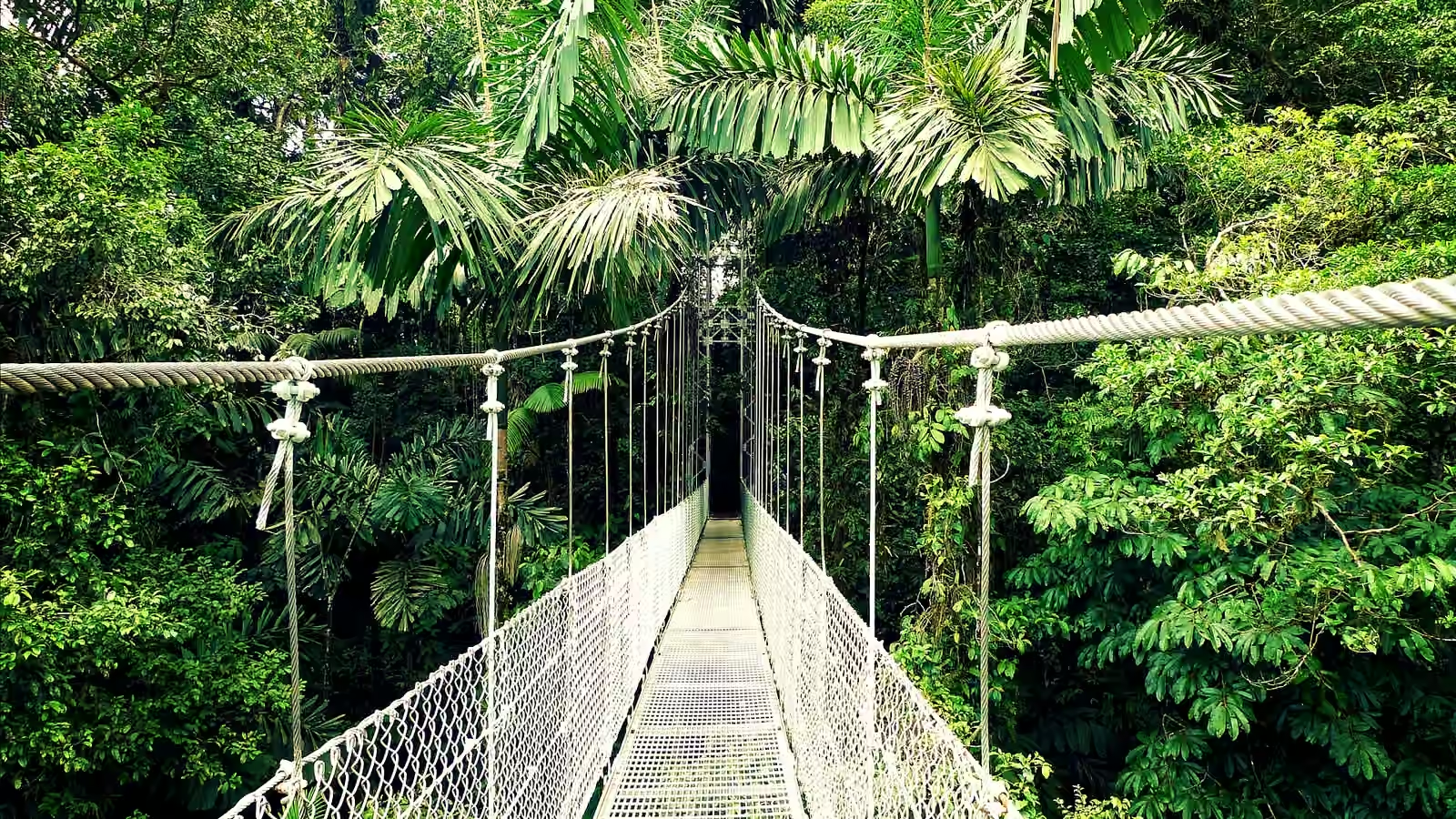
The hanging bridges below Arenal at opening time
The Mistico trail opens at six in the morning, when the cloud is still sitting on the volcano and the forest is at its loudest. Sixteen bridges carry you through the canopy at bird height, and by the time the tour buses arrive you are back at the gate.
Drive or take a shuttle to Mistico Arenal Hanging Bridges Park near La Fortuna; the 3.2 km loop has 16 bridges, six of them suspended. Book online or on WhatsApp +506 2479 8282; children up to four enter free.[1] Price: From USD 32 per person self-guided and USD 44 guided, plus tax.[1] Hours: Daily 06:00 to 15:50; last entry 15:50.[1] Booking: Advance booking recommended through the park's own site; not always required.[1] Find guided visits on Viator (opens Viator in a new tab) paid linkSome links earn us a commission. How we work
Costa Rica in pictures
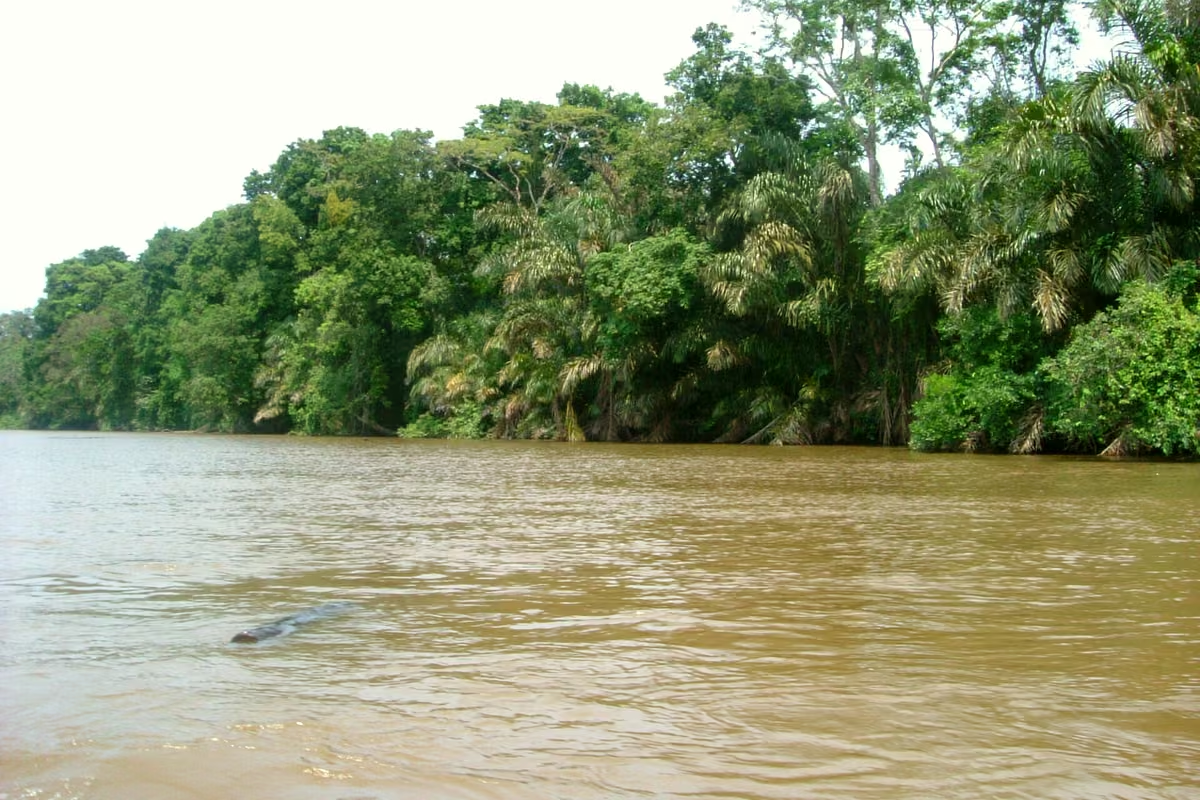
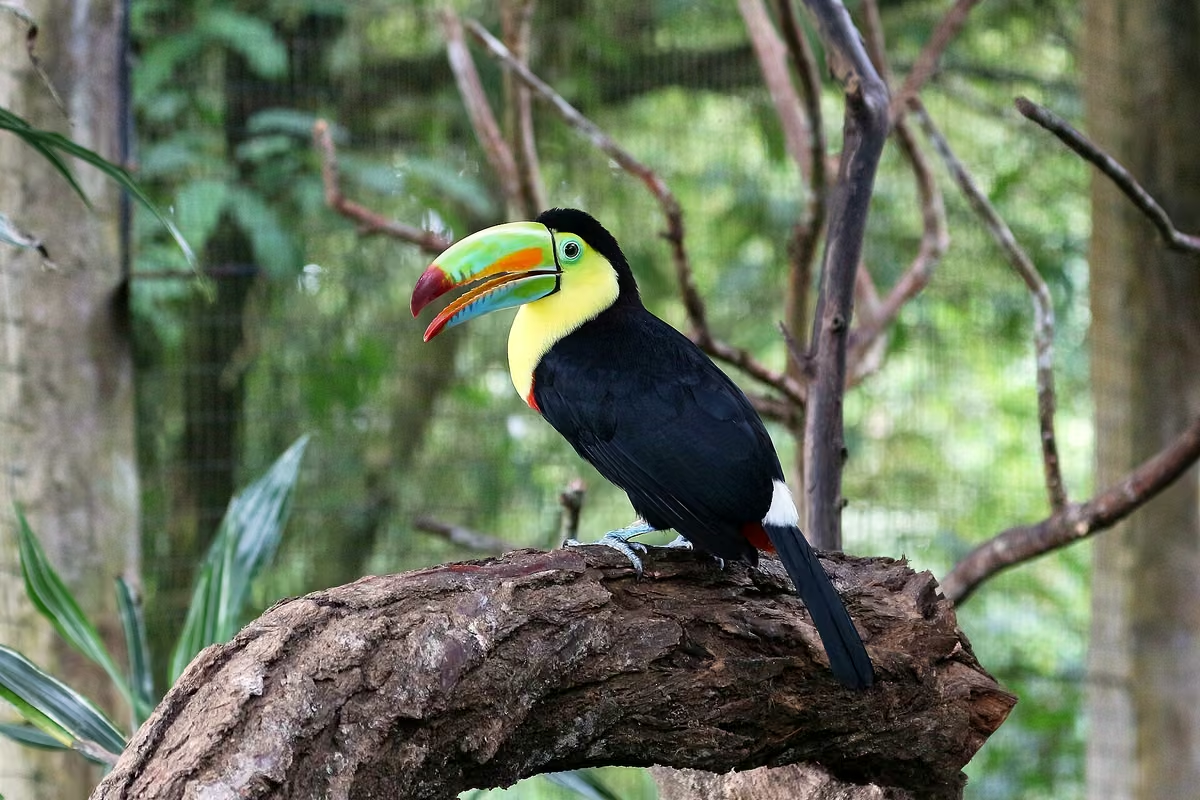
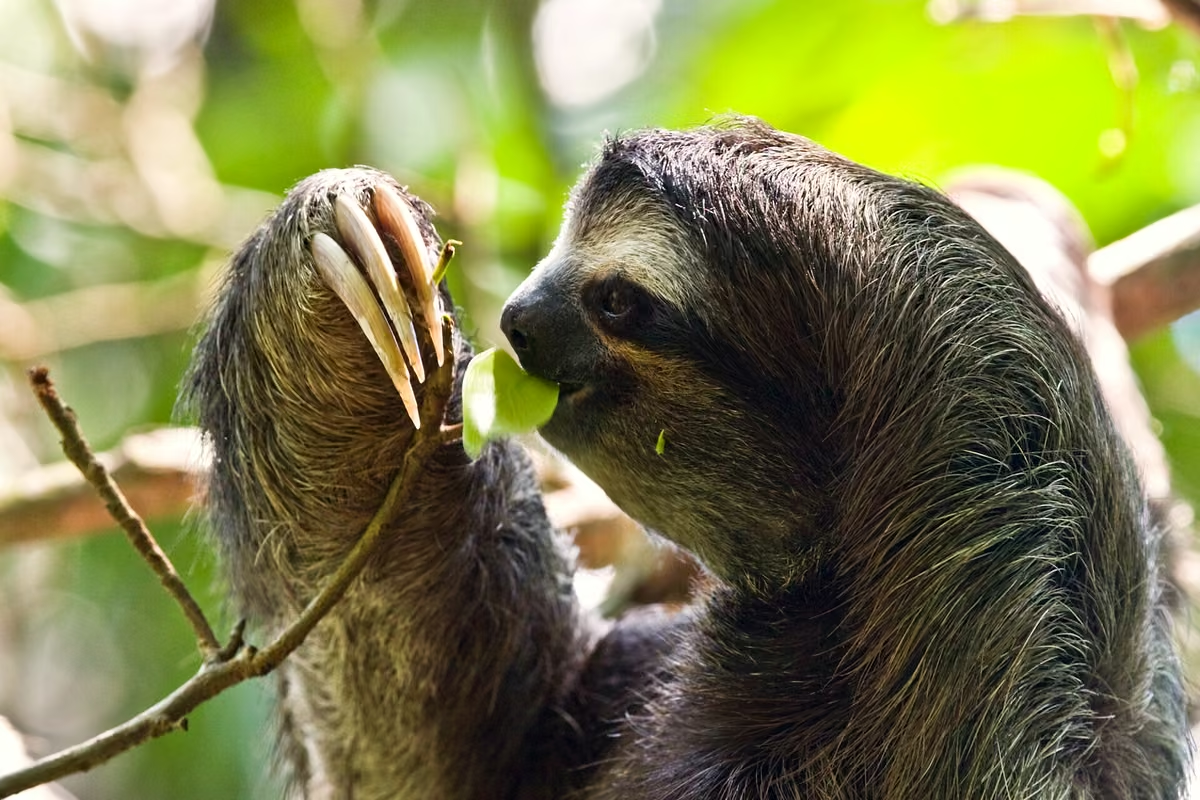
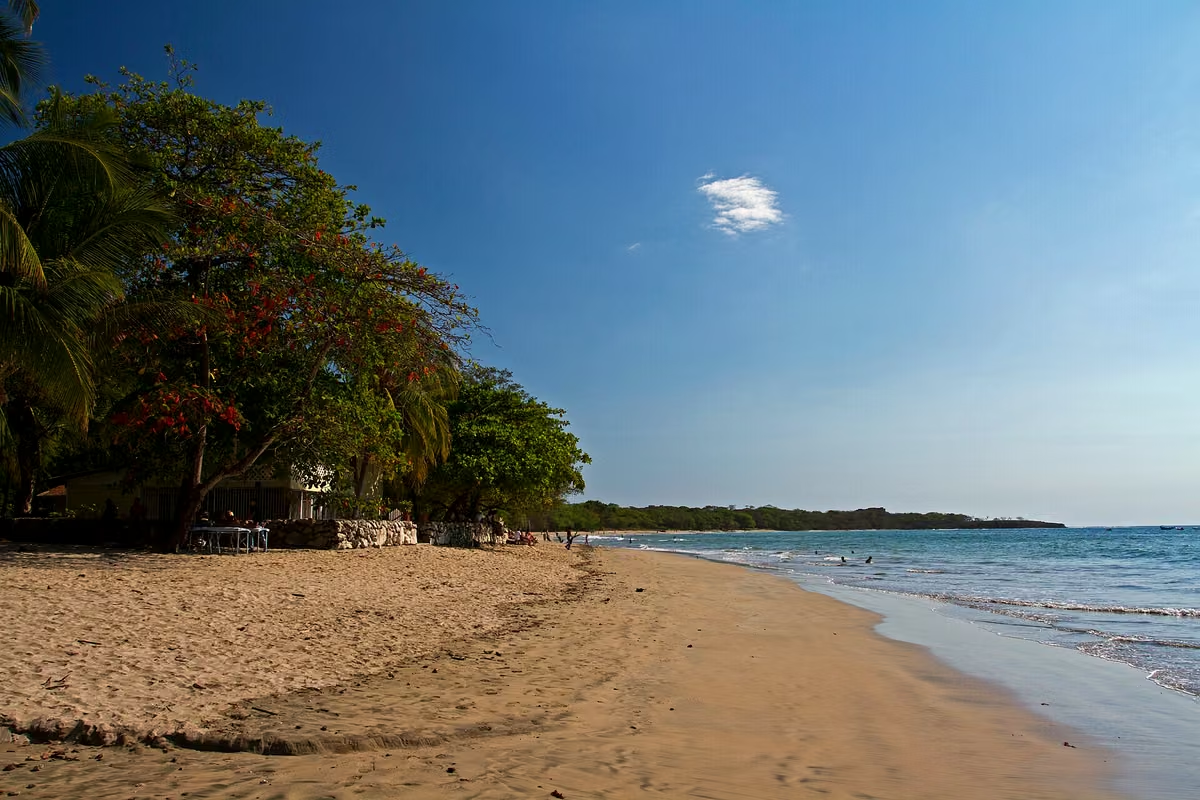
8 photographs, each with its photographer and licence.









Jump to
Where to go
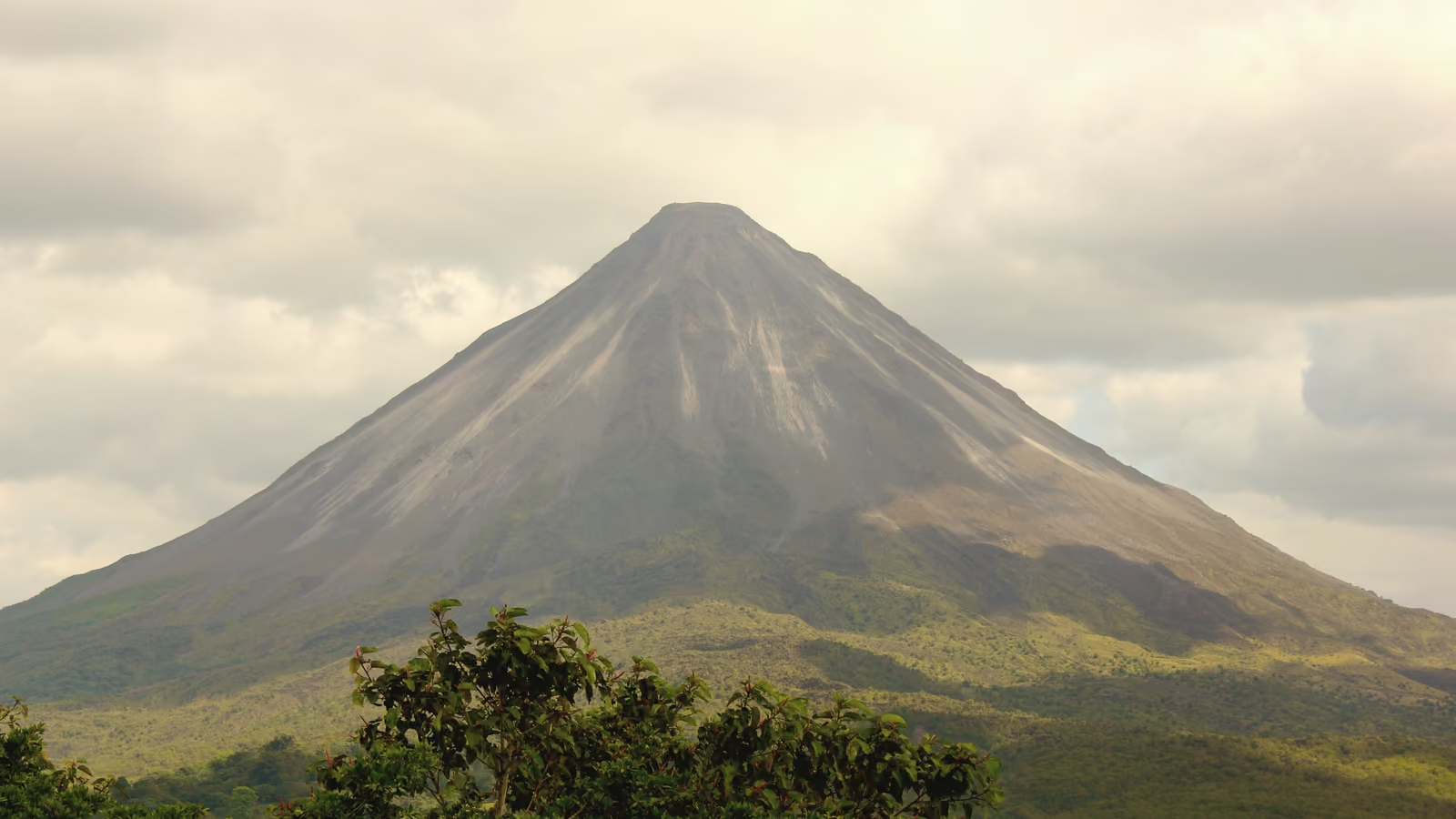 La FortunaSJO
i
Photo: cjsingh from Miami, USA, Wikimedia Commons (CC BY 2.0)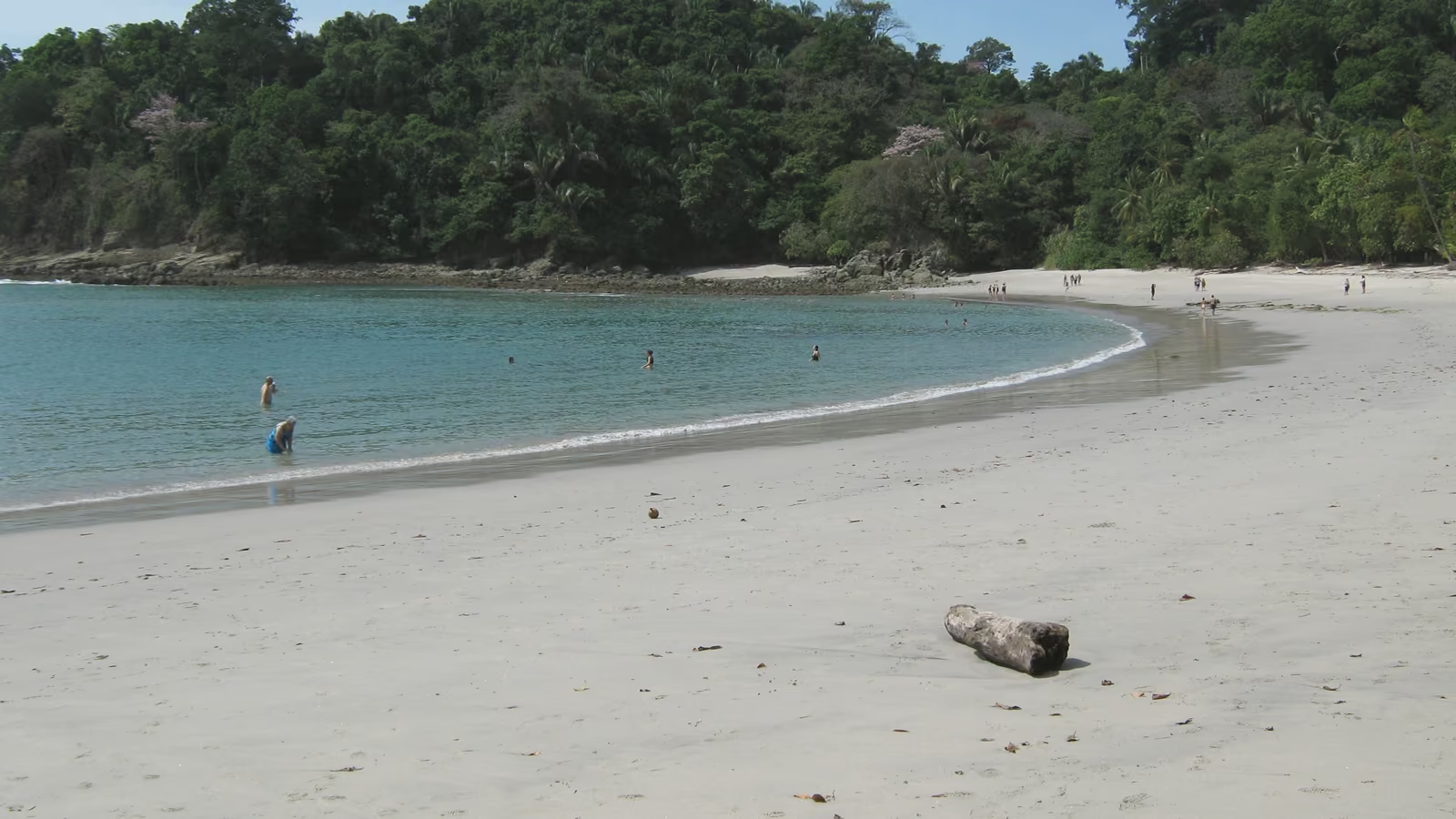 Manuel AntonioSJO
i
Photo: RAMDOM X, Wikimedia Commons (Public domain)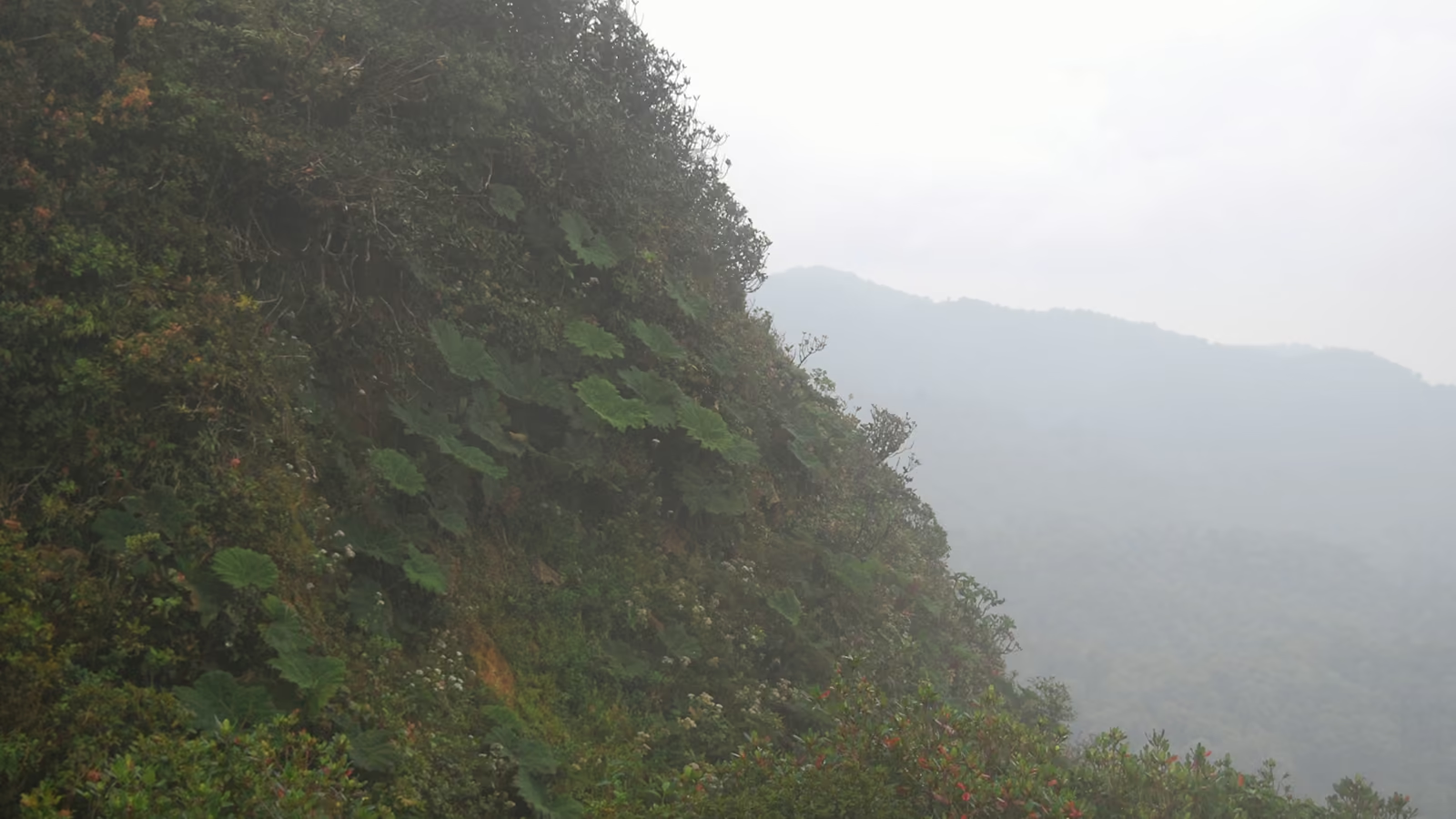 MonteverdeSJO
i
Photo: Geoff Gallice from Gainesville, FL, USA, Wikimedia Commons (CC BY 2.0) San JoseSJO
i
Photo: Kenneth Lu derivative work: MrPanyGoff, Wikimedia Commons (CC BY 2.0)


Highlights
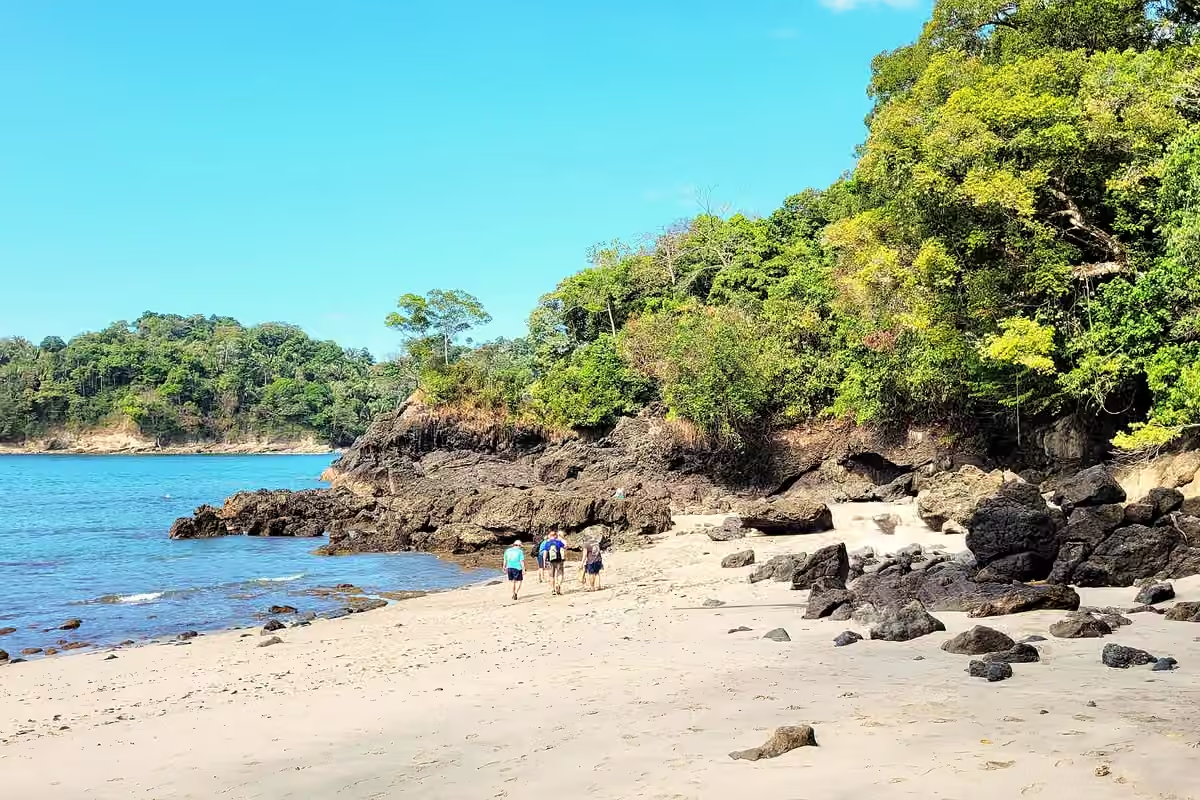
Manuel Antonio
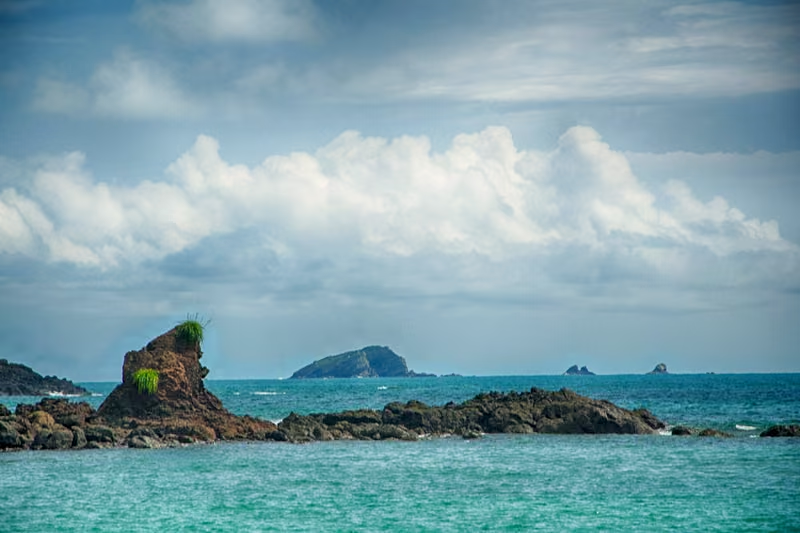
Photo: Mark Cowell, Wikimedia Commons (CC BY 3.0) Manuel Antonio National Park, Quepos
Rainforest and beaches on the central Pacific coast; the park with the strictest ticket limits in the SINAC system.
Online only through SINAC: six tickets per transaction and one transaction per person per day; agencies ten per transaction and five a day. No refund for weather.[30]Official site

San Jose
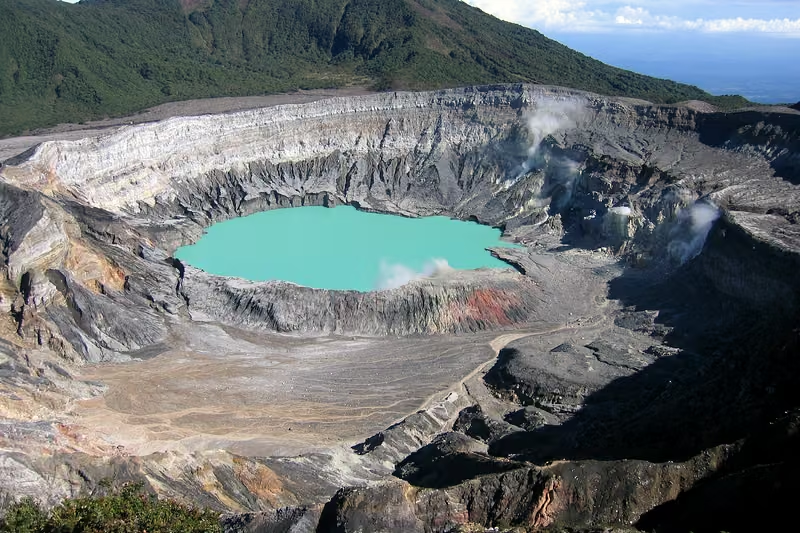
Photo: Peter Andersen, Wikimedia Commons (CC BY 2.5) Poas Volcano National Park
Active crater an hour and a half from San Jose, visited in timed groups.
Sold through SINAC's online reservation and payment system; temporary closures for volcanic risk are announced on SINAC's own channels and bring a date change, not a refund.[30]Official site
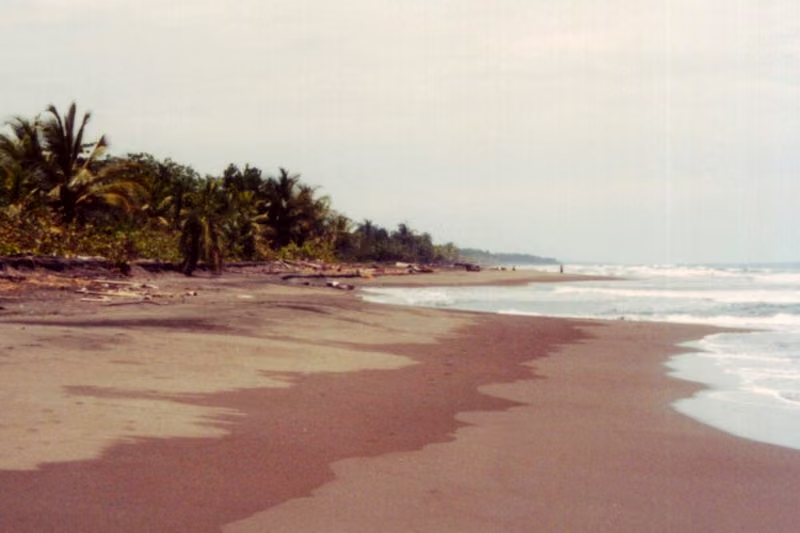
Photo: Lars0001, Wikimedia Commons (Public domain) Tortuguero National Park
Canals and turtle-nesting beach on the northern Caribbean coast, reached by boat.
Sold through SINAC's online reservation and payment system.[30]Official site
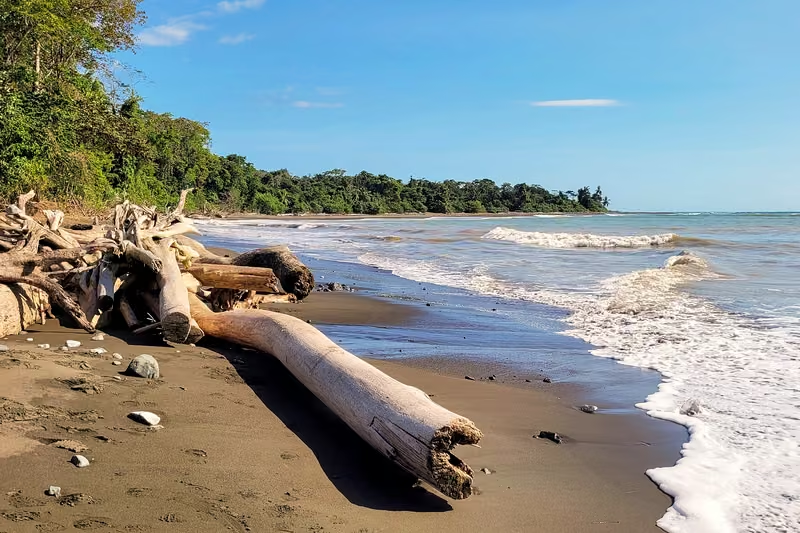
Photo: Bernard Gagnon, Wikimedia Commons (CC0) Corcovado National Park, Osa Peninsula
The largest lowland rainforest park on the Pacific coast.
Reserve first by email to reservaciones.pnc@sinac.go.cr, then pay by bank voucher; the same rule covers Isla del Cano.[30]Official site
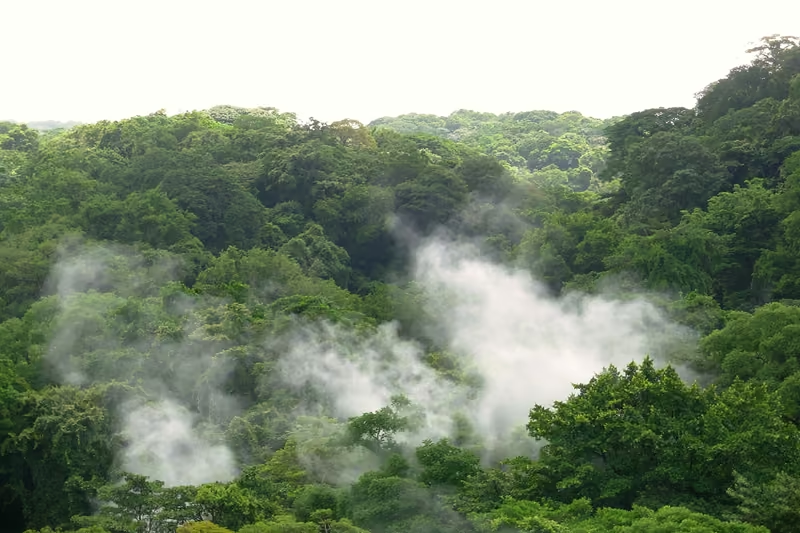
Photo: Paul IJpelaar, Wikimedia Commons (CC BY 3.0) Rincon de la Vieja National Park, Guanacaste
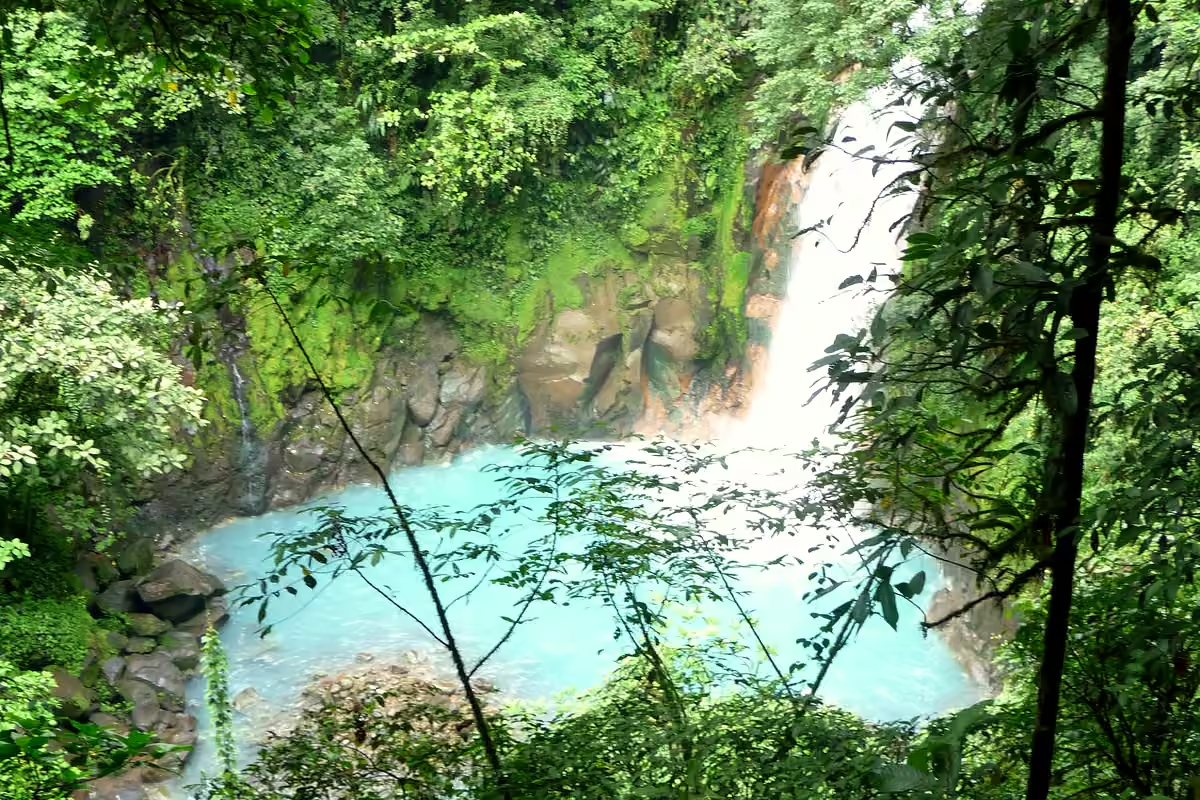
Volcanic mud pots, fumaroles and waterfalls in the north-west.
Sold through SINAC's online reservation and payment system.[30]Official site
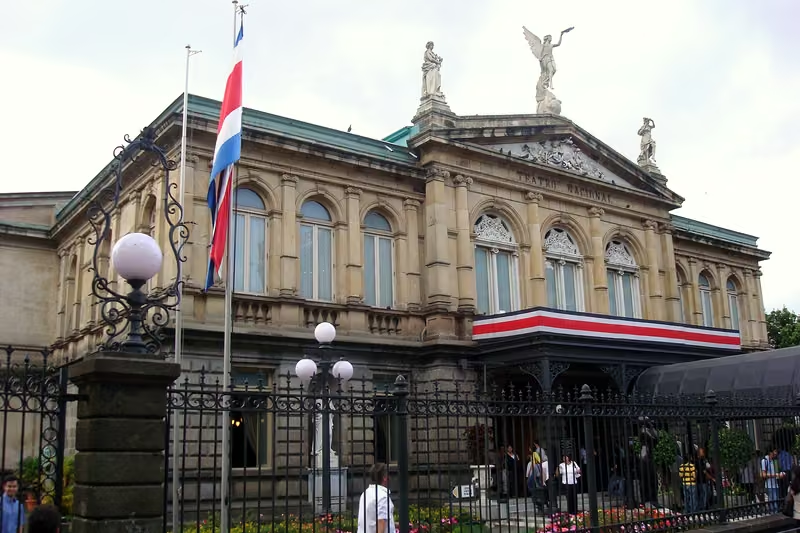
Photo: Tillor87, Wikimedia Commons (CC BY 3.0) Teatro Nacional, San Jose
The 1897 national theatre, open for visits in Spanish and English when not in use.
3,500 colones for foreigners, 2,000 for nationals, 1,500 for national seniors; children under 12 free.[10]Visits 09:00 to 16:00, seven days a week.[35]No online booking described; box office 2010-1100.[10]Official site
Museo del Oro Precolombino, San Jose
Pre-Columbian gold and the numismatics museum, three levels underground below the Plaza de la Cultura, run by the central bank's museums foundation.
8,800 colones foreign adult, 6,950 foreign student; 3,000 for citizens and residents; free on 18 May and for children under 12.[24]Monday to Sunday 09:00 to 16:30; closed 1 January, 2 to 5 April, 11 April, 1 May, 25 July, 2 August, 15 September, 1 December and 24, 25 and 31 December 2026.[24]None.[24]Official site
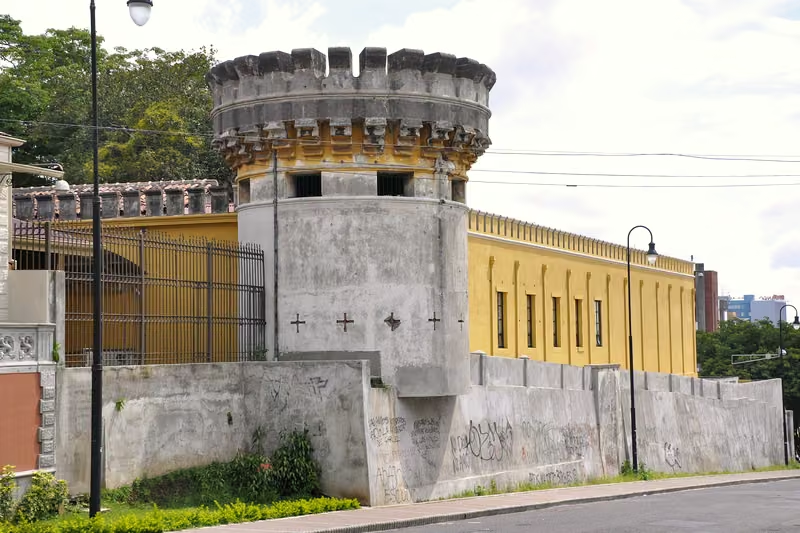
Photo: Antonio Solera, Wikimedia Commons (CC BY 3.0) Museo Nacional de Costa Rica, San Jose
National history museum in the former Bellavista barracks.
USD 11 foreign adult, USD 6 foreign student; 2,500 colones for nationals.[25]Tuesday to Saturday 08:30 to 16:30; Sunday 09:00 to 16:30; Monday is not listed.[25]None.[25]Official site


La Fortuna
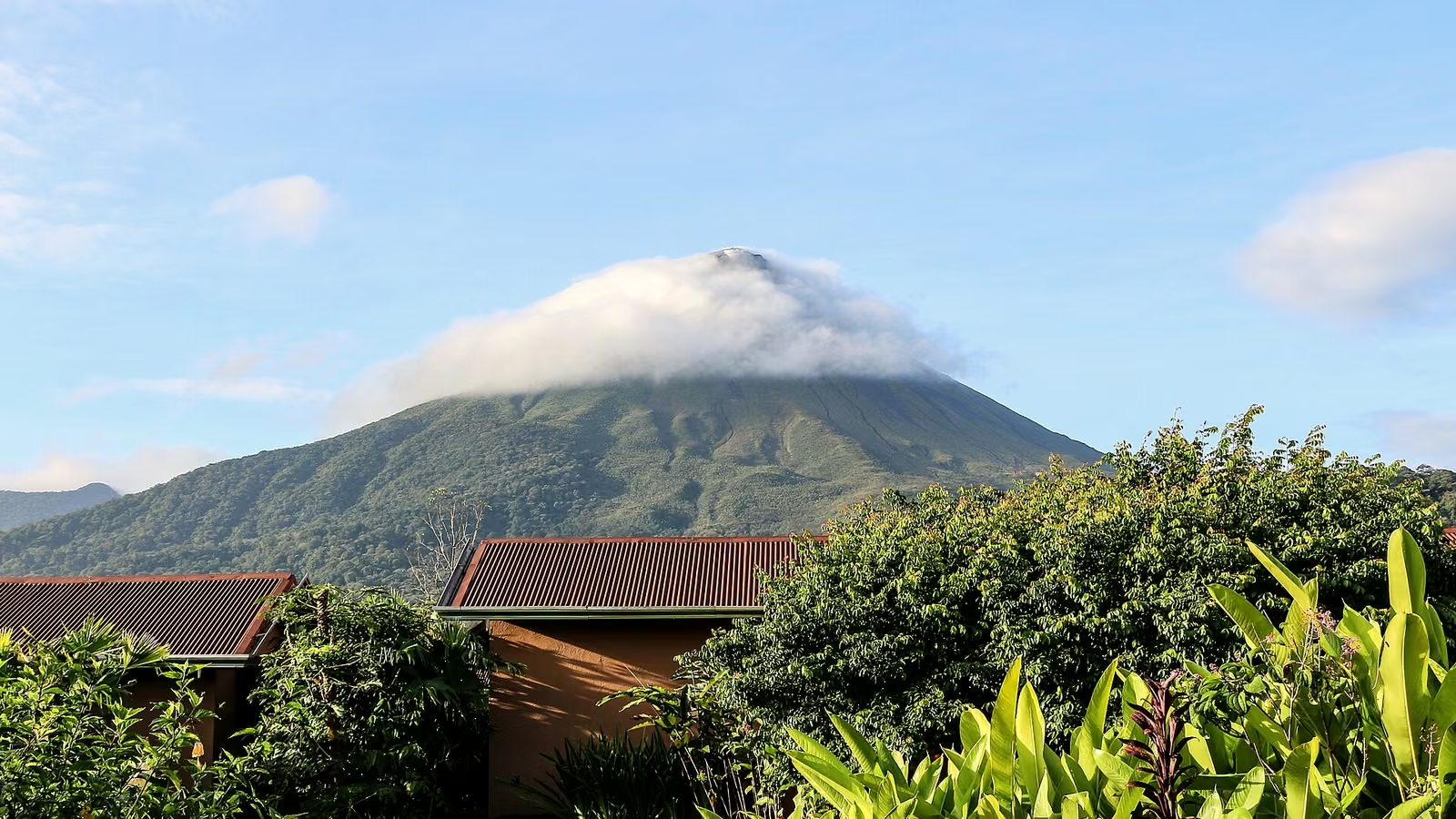
Arenal Volcano National Park, La Fortuna
Lava trails and lake views below the volcano.
Not in SINAC's online list; areas outside the system sell tickets at the park ticket office by credit or debit card, and bank transfers are not accepted.[30]Official site
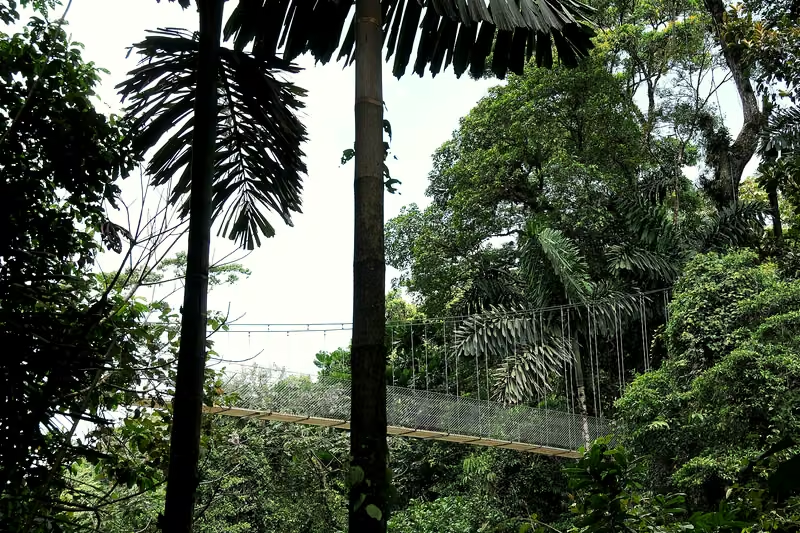
Photo: Peter Hook, Wikimedia Commons (CC BY 2.0) Mistico Arenal Hanging Bridges Park
A 3.2 km trail with 16 bridges, six of them suspended over the canopy.
From USD 32 self-guided and USD 44 guided, plus tax; children 0 to 4 free.[1]Daily 06:00 to 15:50, last entry 15:50.[1]Online or WhatsApp +506 2479 8282; recommended, not always required.[1]Official site
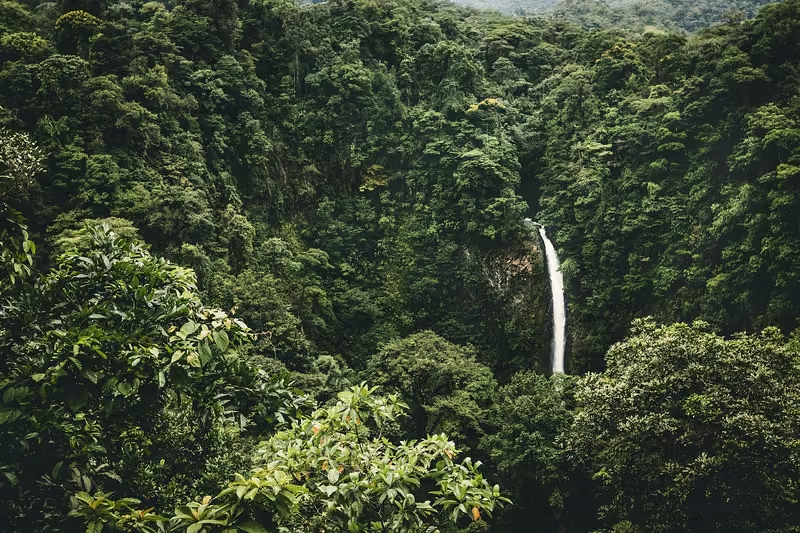
Photo: Isabella Jusková, Wikimedia Commons (CC0) La Fortuna Waterfall
A 70 m fall reached by about 530 steps, managed by the La Fortuna community development association ADIFORT.
Tour start times 07:00, 09:00, 11:00, 13:00 and 15:00 on the booking page; adult tickets are for ages 9 and over.[34]Online through the association's booking page; info@cataratalafortuna.com or 2479-9515.[34]Official site


Monteverde
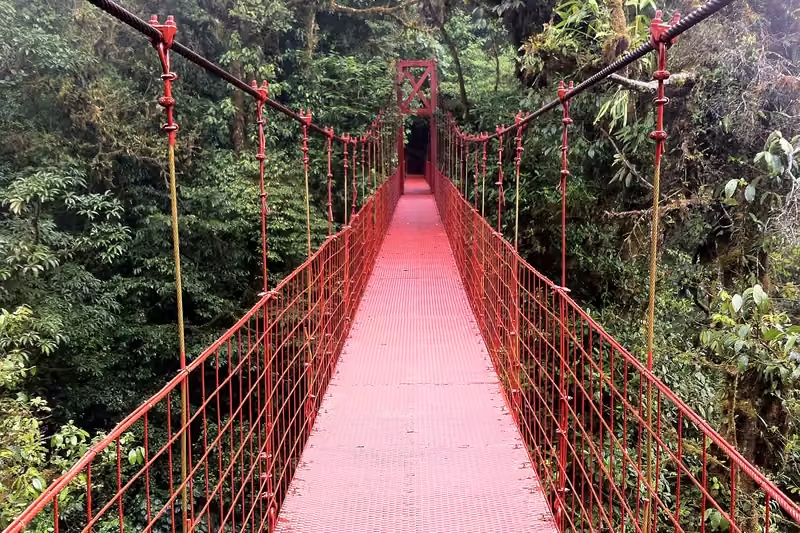
Photo: Alessandro Vernet, Wikimedia Commons (CC BY 2.0) Monteverde Cloud Forest Reserve
Private cloud forest reserve run by the Tropical Science Center, with a self-guided walk and guided day and night walks.
Cloud Forest Walk 07:30 to 16:00; Natural History Walk 07:30 to 13:00; Night Walk starts 18:00 to 18:30 and lasts about two and a half hours.[31][32]Timed slots booked online; visitor numbers are limited per slot and guided walks take ten people. Arrive 15 minutes early; full refund if cancelled 48 hours or more ahead.[31]Official site

Tours across Costa Rica
Tours, day trips and tickets across Costa Rica, booked on Viator.
See Costa Rica tours on Viator (opens Viator in a new tab) paid link
Things to book in La Fortuna, Manuel Antonio, Monteverde, San Jose.
Before you go
Checklist
- Visa or travel authorisation for your passport
- Money: cards, cash and ATMs
- A SIM or eSIM for data on arrival
- Government travel advisories
| Passport | Rule |
|---|---|
| United States | The tourism institute's entry page says the stay is set by the officer at entry, up to 180 days for the first visa group and 30 days for the others, but does not assign nationalities to groups. Confirm your group on migracion.go.cr before booking.[7] |
| United Kingdom | No visa for up to 180 days under a tourist visa waiver; the immigration officer sets the exact stay on arrival. The passport must be valid for at least 1 day after you leave Costa Rica. Overstays can be fined 100 US dollars for each month, and a departure tax of 29 US dollars applies when leaving by air, usually included in the fare.[8][7] |
| Canada | No visa for tourist stays; immigration sets the length at entry and tourists may get up to 180 days. The passport must be valid for the whole stay (airlines may ask for more). Overstaying can mean deportation and a re-entry ban of 5 to 10 years.[6] |
| Australia | The tourism institute's entry page gives the first visa group up to 180 days at the officer's discretion without naming countries. Confirm on migracion.go.cr before booking.[7] |
A valid passport is mandatory. The immigration officer will ask to see a return or onward ticket; non-residents need one if they arrive on a one-way ticket, hold a return more than 90 days out, or leave from another country. A pre-purchased bus ticket, flight or cruise passage counts.[7][3]
Officials may ask for proof of economic means of at least USD 100 per month of legal stay, and for sufficient funds generally.[7][6]
No vaccine is required to enter. A yellow fever certificate is demanded from travellers arriving from listed countries, including Brazil, Peru and Colombia.[3][7]
The departure tax is USD 29 per person, payable in dollars, colones or by card; the tourism institute says it is included in most airline tickets, and you pay it only if your ticket says it is not.[4][3]
A foreign driving licence is accepted: Canada's advice says up to 180 days or the length of the entry stamp, carrying the passport itself, while the tourism institute's FAQ says three months. No international permit is needed.[6][3]
Entry rules for every destination, by passport Check one passport and destination Passport planner for a trip with several stops
Money
| Item | What to know |
|---|---|
| Currency | The colon is the currency; the central bank lists notes from 1,000 to 20,000 colones and coins from 10 to 500. Prices for regulated services such as taxis and state museums are set in colones.[2][9][10] |
| Cards | US dollars and major credit cards are widely accepted, according to the tourism institute, which also warns never to give card details over the phone.[4][3] |
| Cash | Sales tax (VAT) is 13 percent and is included in the price shown. Restaurant and hotel bills already include the 13 percent tax and a 10 percent tip; anything extra is optional.[4] |
| ATMs | ATMs are found across the country; some close overnight from about 23:00 to 05:00. Exchange money only at banks and approved exchange offices; bank transactions need the original passport.[4] |
| Tipping | A 10 percent tip is built into restaurant and hotel bills by law; leaving more is optional.[4] |
Carrying more than one currency on a trip is simpler with a multi-currency card. Wise
SIM and data
- Kolbi (the state operator ICE): a prepaid SIM is sold in kolbi stores, ICE agencies and authorised shops, or online with free delivery to an address in Costa Rica. The first top-up of 2,000 colones brings a 6,000 colon bonus valid five days for calls, data and SMS; top-ups from 1,000 colones are doubled. Activation is described with a national ID card; a passport is not mentioned on the page.[11]
- Kolbi's cheapest prepaid data pack is Paquete Social 1: 200 MB for 500 colones, valid one day, with unlimited data at night (22:00 to 06:00) and on selected apps; activate by texting SOCIAL1 to 8888.[12]
- Kolbi issues eSIMs at its stores and ICE agencies for prepaid or postpaid lines, free for a new line or number port and 2,255 colones for other changes; activation is by QR code on a compatible phone. Its page titled chip turista describes roaming for its own customers, not a tourist SIM.[13][14]
- Claro Costa Rica offers eSIM for prepaid and postpaid, delivered as a QR code by email when a phone is bought through its online store.[15][16]
| Provider | Plans |
|---|---|
| Airalo Airalo | Costa Rica eSIM on the Liberty network, unlimited data: 3 days USD 19.50, 5 days 28.50, 7 days 36.50, 10 days 38.00, 15 days 49.00, 30 days 89.00.[17] |
| Holafly Holafly | Unlimited-data Costa Rica eSIM: 3 days USD 19.90, 5 days 29.90, 7 days 37.90, 10 days 40.50, 15 days 51.50, 30 days 99.90; data only, no number, calls or SMS; hotspot 1 GB a day.[18] |
Airport to city
Juan Santamaria International Airport, San Jose (SJO), near Alajuela[19] SJO
| Option | Time | Fare | Pay |
|---|---|---|---|
| Taxis Unidos Aeropuerto, the licensed airport taxi service; official taxis at the airport are orange[19][6]taxi | Drivers are on site 24 hours a day, every day; the dispatch line answers around the clock (+506 2221-5044, WhatsApp 8479-5353).[19] | Agreed before you get in, with no surge pricing; the company publishes no dollar amounts. The regulator's maximum for airport-base taxis from 27 October 2026 is 750 colones flag fall plus 750 colones per kilometre and 3,810 colones per hour of waiting (sedan).[19][20] | Not stated by the operator; the meter total is a ceiling and the driver may charge less.[9] |
| Interbus shared shuttle from San Jose to the main resort towns[21]bus | San Jose to Manuel Antonio departs 14:00, 4 hours 30 minutes. Return runs listed: La Fortuna 12:30 (4 hours), Monteverde 13:00 (4 hours 30 minutes), Manuel Antonio 08:00 and 12:30 (4 hours 30 minutes), Tamarindo 08:00 and 14:00 (5 hours 30 minutes).[21] | Per person, per way, subject to change.[21] | Booked online through the operator.[21] |
If the page says a car helps, compare hire prices before you land. Discover Cars
First 48 hours
- Before you fly
Check your visa group on migracion.go.cr, hold proof of onward travel (a bus ticket counts) and buy SINAC tickets for Manuel Antonio or Poas in advance: six per transaction and one transaction a day for Manuel Antonio, no refunds for rain.
- Arrival, 14:00
Take an orange airport taxi (Taxis Unidos, fare agreed before boarding) or a pre-booked shared shuttle; Interbus leaves San Jose for Manuel Antonio at 14:00 and takes 4 hours 30 minutes. Keep some colones for small purchases even though dollars are widely taken.
- Arrival, 16:00
If you did not load an eSIM, Kolbi prepaid SIMs are sold in its stores and ICE agencies; the first 2,000 colon top-up brings a 6,000 colon bonus for five days.
- Evening
Use only official taxis, insist on the meter, and do not leave drinks unattended. Nothing valuable stays visible in a parked car.
- Day 2, morning
In San Jose: Museo del Oro Precolombino opens 09:00 (8,800 colones), the Teatro Nacional runs visits 09:00 to 16:00 (3,500 colones), and the Museo Nacional opens 08:30 Tuesday to Saturday (USD 11).
- Day 2, afternoon
Heading to Arenal: book the Mistico hanging bridges for the 06:00 opening and, if Corcovado is on the list, email reservaciones.pnc@sinac.go.cr now, since the permit is reserved by email and paid by bank voucher.
Safety and advisories
| Government | Advice | Updated | Checked |
|---|---|---|---|
| US State Department | Level 2: Exercise Increased Caution | ||
| UK Foreign Office (FCDO) | FCDO does not advise against travel to any part of Costa Rica; the page still carries dated safety, entry and health notes. | ||
| Government of Canada | Level 2 of 4 Exercise a high degree of caution |
UK advice: Muggings and theft are significant problems, particularly on the Atlantic coast, and gang violence, including shootings, has become more frequent in urban areas, some of them popular with visitors. Avoid walking alone in poorly lit or remote places at night. There is no history of terrorism, but attacks cannot be ruled out.[22]
Canada: Exercise a high degree of caution due to crime. Petty theft such as pickpocketing and bag snatching is frequent and tourists are common targets; violent crime occurs, mostly linked to gangs and drugs; car break-ins are very common, so leave nothing visible in a vehicle.[6]
Rip tides are common and several drownings occur each year; very few beaches have lifeguards or warning signs, so swim with care and never alone.[6]
Dengue is present; protect against mosquito bites, especially around sunrise and sunset.[6]
Dial 9-1-1 in an emergency. The tourism institute says tap water is drinkable except in a few rural areas, where bottled water is recommended.[4][6]
Scams to watch for
- Unofficial taxis. Use the orange taxis at the airport and red taxis with a yellow triangle elsewhere, book ahead where you can, make sure the driver uses the meter, and never take a shared taxi.[6][23]
- Drinks and snacks have been drugged, and there have been deaths from methanol-contaminated alcohol.[6]
- Car break-ins at hotels, beaches and parks, including the use of key-fob jammers; passport theft is very common in peak season.[6]
- Tyre-slash trick: thieves puncture a tyre, then offer to help change it while an accomplice steals from the car.[22]
- Staged collisions to stop cars and rob them: if you think a crash was deliberate, drive on to a safe place such as a police station or garage before stopping.[22]
Travel medical cover is sold by the week for trips like this one. SafetyWing
What things cost
| Item | What it costs |
|---|---|
| Red taxi, regulated maximum per kilometre | 870 colones, plus 870 colones flag fall and 3,630 colones per hour waiting, from 27 October 2026[9] |
| Airport taxi, regulated maximum per kilometre | 750 colones, plus 750 colones flag fall[20] |
| Departure tax | USD 29 per person, usually included in the airline ticket[4][3] |
| Teatro Nacional guided visit, foreign adult | 3,500 colones[10] |
| Museo del Oro Precolombino, foreign adult | 8,800 colones[24] |
| Museo Nacional, foreign adult | USD 11[25] |
| Mistico hanging bridges, self-guided | From USD 32 plus tax[1] |
| Kolbi prepaid data pack, 200 MB for one day | 500 colones[12] |
| Sales tax (VAT) | 13 percent, included in displayed prices[4] |
When to go
| Month | Weather | Crowds | Holidays | Closures |
|---|---|---|---|---|
| January | Dry season in the Central Valley and on the Pacific (December to March); the Caribbean is in its wettest stretch, with the first rainfall maximum in December and January brought by cold fronts.[26][27][28] | 1 January, paid public holiday.[29] | Museo del Oro Precolombino closed 1 January.[24] | |
| February | Dry on the Pacific side and in the Central Valley; the Caribbean reaches its second rainfall minimum in February and March.[27][28] | |||
| March | Last full month of the Pacific dry season, which brings only about 4 percent of the year's rain in the Western Central Valley and the North Pacific.[26][27] | |||
| April | Transition month between dry and rainy seasons in the Central Valley and the North Pacific; the Caribbean's second rainy period begins.[26][27][28] | Semana Santa falls on 2 to 5 April in 2026; Holy Thursday and Good Friday are paid holidays and the Museo del Oro closes 2 to 5 April and on 11 April.[29][24] | 2 and 3 April Holy Thursday and Good Friday; 11 April Juan Santamaria Day, all paid.[29] | |
| May | Rainy season begins in the Central Valley and settles on the North Pacific by late May; the first rainy period (May to August) brings about half the year's rain.[26][27] | 1 May Labour Day, paid.[29] | Museo del Oro closed 1 May.[24] | |
| June | Rainy on the Pacific side with a June peak in the North Pacific; the short dry spell called the veranillo de San Juan comes at the end of the month in the Central Valley.[27][26] | |||
| July | Rain eases in July and August (the canicula or veranillo) in the Central Valley and North Pacific; the Caribbean has its second rainfall maximum in July.[26][27][28] | 25 July Annexation of Guanacaste, paid.[29] | Museo del Oro closed 25 July.[24] | |
| August | Reduced rain continues into August on the Pacific side before the second rainy period starts in September.[26][27] | 24 August is National Parks Day and every SINAC area is free for all visitors; the third Wednesday of each month is free for residents and nationals only.[30] | 2 August Virgen de los Angeles; 15 August Mothers' Day (paid); 31 August Day of the Black Person and Afro-Costa Rican Culture (not paid).[29] | Museo del Oro closed 2 August.[24] |
| September | Second rainy period on the Pacific; September and October bring the heaviest rain there, linked to tropical cyclone activity. The Caribbean has its first rainfall minimum in September and October.[27][28] | 15 September Independence Day, paid.[29] | Museo del Oro closed 15 September.[24] | |
| October | Wettest stretch of the year on the Pacific side and in the Western Central Valley (September to November); the Caribbean is comparatively dry.[27][26][28] | |||
| November | Transition month in the Central Valley as the rains end; the Caribbean's wetter period from November to February begins.[26][28] | |||
| December | Dry season starts on the Pacific side and in the Central Valley; the Caribbean has its first rainfall maximum in December and January, about 40 percent of its annual total.[26][27][28] | 1 December Abolition of the Army (not paid in 2026); 25 December Christmas, paid.[29] | Museo del Oro closed 1, 24, 25 and 31 December.[24] |
Common mistakes
Myth: You can buy a Manuel Antonio ticket at the gate on the day.
Actually: Manuel Antonio, Poas, Irazu, Tortuguero, Rincon de la Vieja, Carara and five other areas sell through SINAC's online reservation and payment system. For Manuel Antonio an individual may buy six tickets in one transaction and make one transaction a day; tickets cannot be moved to another park or another name, and there is no refund for rain.[30]
Myth: There is no departure tax any more.
Actually: The departure tax is USD 29 per person. The tourism institute says most airline tickets include it; if yours says it does not, you pay it in dollars, colones or by card.[4][3]
Myth: Any taxi waiting outside arrivals is fine.
Actually: Official taxis are orange at the airport and red with a yellow triangle on the door elsewhere, and only the airport base is licensed at Juan Santamaria. The regulator sets maximum meter rates (870 colones per km for red taxis, 750 for airport taxis from 27 October 2026); insist on the meter and avoid shared taxis.[6][23][9][20]
Myth: Dollars work everywhere, so you never need colones.
Actually: Dollars and cards are widely accepted, but the colon is the currency and regulated prices are set in it: taxi meters, the Teatro Nacional visit (3,500 colones) and the Museo del Oro (8,800 colones). Exchange only at banks and approved exchange offices.[4][2][9][10][24]
Myth: The green season just means a shower in the afternoon.
Actually: The national weather service puts the Central Valley's rainy season at May to October, with September and October the heaviest months on the Pacific and only about 4 percent of the year's rain falling in the December to March dry season. The Caribbean runs the other way, wettest from November to February. SINAC gives no refunds for rain.[26][27][28][30]
Myth: Distances are short, so an afternoon transfer is easy.
Actually: The shared-shuttle operator schedules San Jose to Manuel Antonio at 4 hours 30 minutes, La Fortuna 4 hours, Monteverde 4 hours 30 minutes and Tamarindo 5 hours 30 minutes.[21]
Myth: Corcovado works like the other parks.
Actually: Corcovado and Isla del Cano are reserved by email (reservaciones.pnc@sinac.go.cr) and paid by bank voucher, not through the online shop.[30]
Sources
Show all sources (35)
- Mistico Arenal Hanging Bridges Park, Mistico Park.
- Billetes y monedas, Banco Central de Costa Rica.
- Frequently asked questions, Instituto Costarricense de Turismo (ICT).
- Travel tips, Instituto Costarricense de Turismo (ICT).
- Costa Rica travel advice, UK Foreign, Commonwealth and Development Office.
- Costa Rica travel advice, Government of Canada.
- Entry requirements, Instituto Costarricense de Turismo (ICT).
- Costa Rica travel advice: entry requirements, UK Foreign, Commonwealth and Development Office.
- Tarifas taxi base de operacion regular (flota roja), RE-0139-IT-2026, Autoridad Reguladora de los Servicios Publicos (ARESEP).
- Turismo: visitas guiadas, Teatro Nacional de Costa Rica.
- Chip prepago, kolbi (Instituto Costarricense de Electricidad).
- Paquetes prepago, kolbi (Instituto Costarricense de Electricidad).
- eSIM kolbi, kolbi (Instituto Costarricense de Electricidad).
- Chip turista (roaming), kolbi (Instituto Costarricense de Electricidad).
- eSIM, Claro Costa Rica.
- Prepago, Claro Costa Rica.
- Costa Rica eSIM, Airalo.
- eSIM Costa Rica, Holafly.
- Official SJO airport taxi, Taxis Unidos Aeropuerto.
- Tarifas de taxi base de operacion especial aeropuerto, RE-0139-IT-2026, Autoridad Reguladora de los Servicios Publicos (ARESEP).
- Our routes, Interbus.
- Costa Rica travel advice: safety and security, UK Foreign, Commonwealth and Development Office.
- Taxi, Autoridad Reguladora de los Servicios Publicos (ARESEP).
- Museos del Banco Central: horarios y tarifas, Fundacion Museos del Banco Central de Costa Rica.
- Museo Nacional de Costa Rica, Museo Nacional de Costa Rica.
- Clima: Valle Central, Instituto Meteorologico Nacional.
- Clima: Pacifico Norte, Instituto Meteorologico Nacional.
- Clima: Vertiente del Caribe, Instituto Meteorologico Nacional.
- Calendario de feriados 2026 (circular CARTA-MTSS-DAJ-AER-1076-2025), Ministerio de Trabajo y Seguridad Social.
- Reservas y pagos en linea: preguntas frecuentes, Sistema Nacional de Areas de Conservacion (SINAC).
- Visit the Preserve, Monteverde Cloud Forest Biological Preserve (Tropical Science Center).
- Monteverde Cloud Forest Biological Preserve, Monteverde Cloud Forest Biological Preserve (Tropical Science Center).
- La Fortuna Waterfall, ADIFORT (Asociacion de Desarrollo Integral de La Fortuna).
- Book now, ADIFORT (Asociacion de Desarrollo Integral de La Fortuna).
- Planee su visita, Teatro Nacional de Costa Rica.