
Northern lights
The aurora needs dark, clear skies and a latitude roughly north of 60 degrees; the season runs from September to March. The guides below carry the month table with hours of darkness, cloud and the closures that matter.
Where
Sweden
Sweden is in Schengen and the EU but keeps the krona. Visa-free visitors get 90 days in any 180, the Arlanda Express reaches Stockholm Central in 18 minutes for 349 kronor, only 5 percent of in-store purchases were paid in cash in 2025, and Skansen's Christmas market has run since 1903.
Tromsø
Tromsø's buses are cashless and take only some bank cards, Fjellheisen runs until midnight with a free shuttle until 22:15, and the aurora season runs from early September to mid-April.
Finland
Finland is in Schengen and the EU and uses the euro. Visa-free visitors get 90 days in any 180, the Entry/Exit System takes fingerprints, not a stamp, and ETIAS is not yet live. Airport trains reach central Helsinki in about 30 minutes, and in Lapland the aurora shows on about half of all nights.
Canada
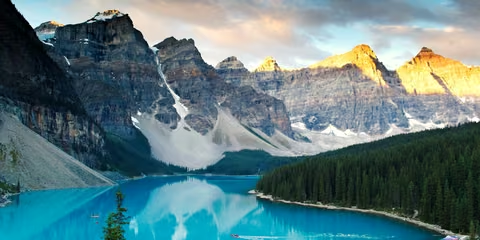
Canada asks visa-free air passengers from the UK and Australia for a CAD 7 eTA and US citizens for nothing but a passport. Banff and Jasper charge a daily park fee, Moraine Lake is shuttle only, and a contactless card pays the airport train in Toronto and the Canada Line in Vancouver.
Iceland
Iceland is in Schengen but not the EU and uses its own krona. Visa-free visitors get 90 days in any 180, the Entry/Exit System records fingerprints instead of a stamp, and ETIAS is not yet live. Flybus reaches Reykjavik in 45 minutes for 3,999 kronur and the Met Office posts a free aurora forecast.
Norway
Norway is in Schengen, not the EU: US, UK, Canadian and Australian visitors get 90 days in any 180 without a visa. Flytoget reaches Oslo S in about 20 minutes for 276 kroner, cash is about 3 percent of shop payments, and the aurora season runs from early September to mid-April.