
Japan
For: Visitors from the US, UK, Canada and Australia on a first or second trip, arriving at Narita, Haneda or Kansai and moving between Tokyo, Kyoto, Osaka, Nara and Hiroshima by rail. Japan takes cards in cities and cash in small places, runs on two airport rail links into Tokyo, and changed its tax-free shopping to a refund-at-departure system on 1 November 2026.
- Currency
- Japanese yen[2]Banknotes of 10,000, 5,000, 2,000 and 1,000 yen; coins of 500, 100, 50, 10, 5 and 1 yen.
- Language
- Japanese is the official language[4]JNTO says English is generally understood in major cities.
- Time zone
- UTC+9, all year
- Plug
- 100 volts AC everywhere[3][4]50 Hz in eastern Japan and 60 Hz in the west including Kyoto and Osaka. Sockets take two flat parallel prongs. Dual-voltage chargers work; other devices may need a step-down transformer.
- Advisories
- US: Level 1UK: FCDO does not advise against travel to any part of JapanCanada: Level 1US advice checked Each government's advice
Quick answers
- Do I need a visa?
- UK passport: Visa-free, up to 90 days, extendable by 90. Checked .
- Canadian passport: Visa-free, up to 90 days. Checked .
- The entry table below has the rule in full.
- Is it safe?
- Each government's advice for this country:
- US: Level 1. Checked .
- UK: FCDO does not advise against travel to any part of Japan. Checked .
- Canada: Level 1. Checked .
- What currency do they use?
Currency: The yen. Checked .
i

The one thing
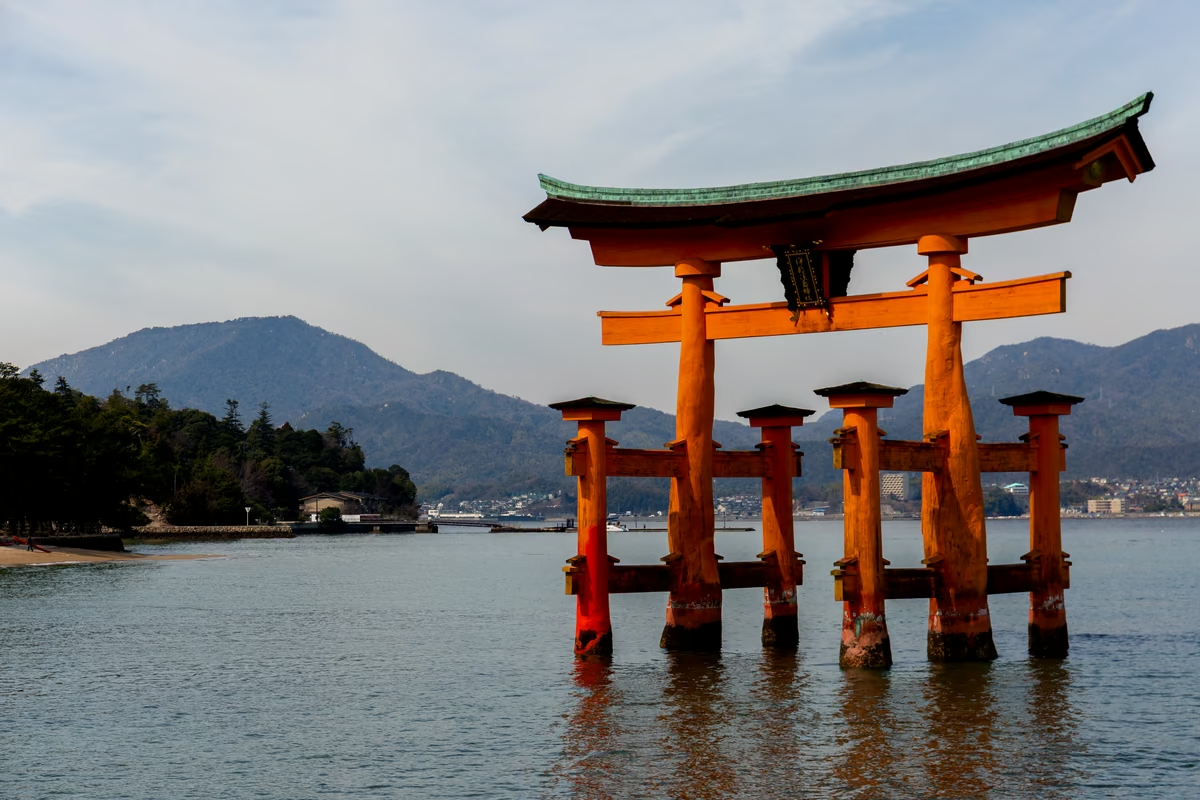
The torii in the bay at Itsukushima Shrine, Miyajima
The shrine stands on piers over the bay and its great torii rises out of the water, so the tide rewrites the scene twice a day. It is a ferry ride from Hiroshima, which pairs it naturally with the Peace Memorial on one trip.
Take the ferry to Miyajima from Hiroshima and walk to the shrine; pay at the entrance, no booking needed. Check the tide table before you choose a morning or an afternoon.[1] Price: 300 yen (about USD 2) for the shrine, 500 yen (about USD 3) with the Treasure Hall (adult), sold at the shrine entrance.[1] Hours: 06:30 to 18:00 from 1 March to 14 October; 06:30 to 17:30 from 15 October to 30 November and in January and February; 06:30 to 17:00 in December.[1] Booking: None; pay on arrival.[1] Find guided visits on Viator (opens Viator in a new tab) paid linkSome links earn us a commission. How we work
USD figures are approximate, converted at the ECB euro reference rates of 13 Nov 2026.
- JanHigh 50°F 10°CLow 34°F 1°C
- FebHigh 52°F 11°CLow 36°F 2°C
- MarHigh 58°F 14°CLow 41°F 5°C
- AprHigh 67°F 19°CLow 50°F 10°C
- MayHigh 74°F 24°CLow 58°F 15°C
- JunHigh 79°F 26°CLow 65°F 19°C
- JulHigh 86°F 30°CLow 72°F 22°C
- AugHigh 88°F 31°CLow 74°F 24°C
- SepHigh 82°F 28°CLow 69°F 20°C
- OctHigh 72°F 22°CLow 59°F 15°C
- NovHigh 62°F 17°CLow 48°F 9°C
- DecHigh 54°F 12°CLow 39°F 4°C
Japan in pictures
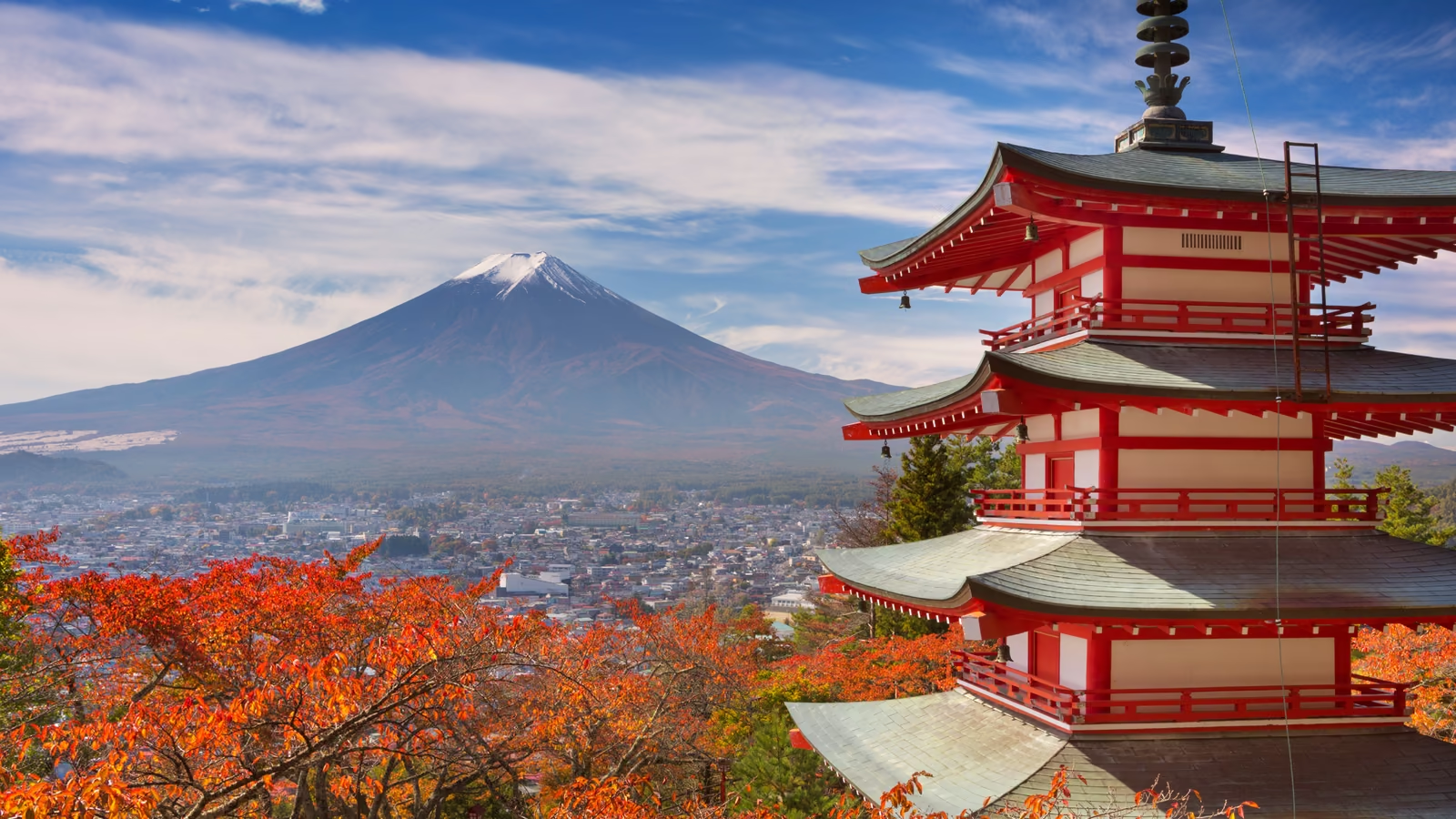
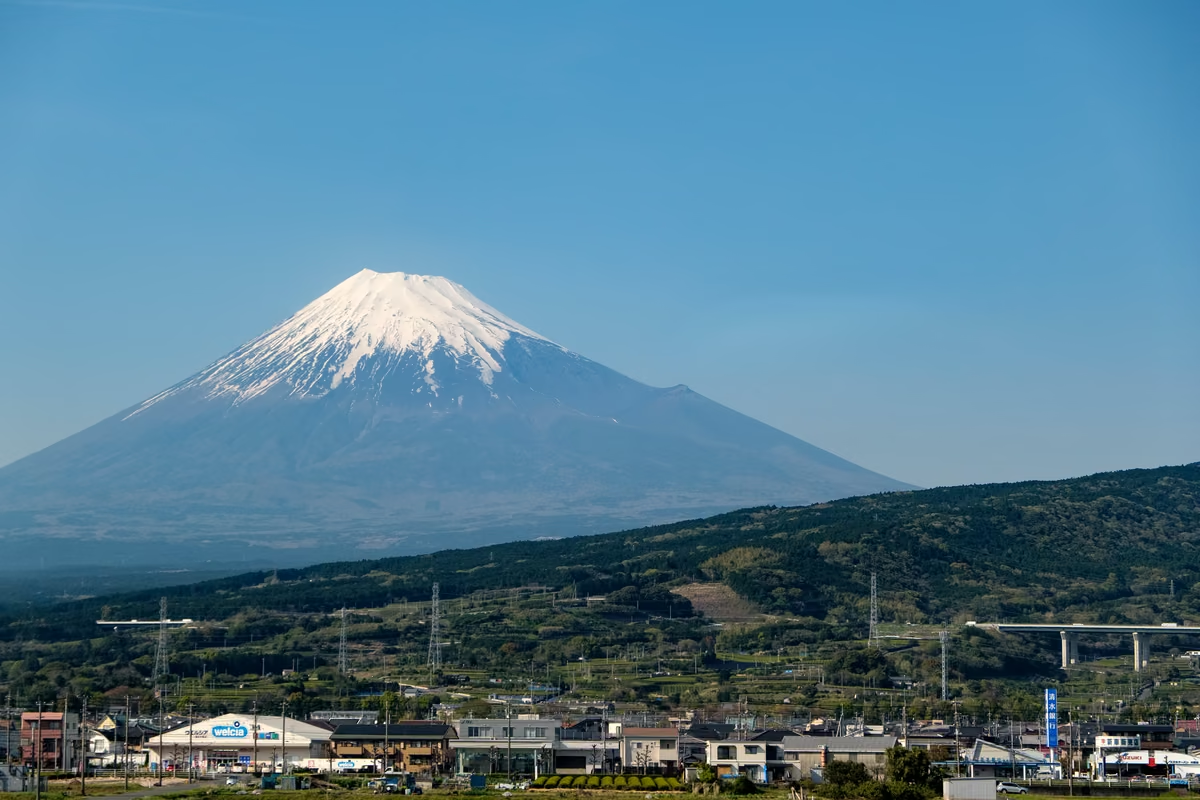
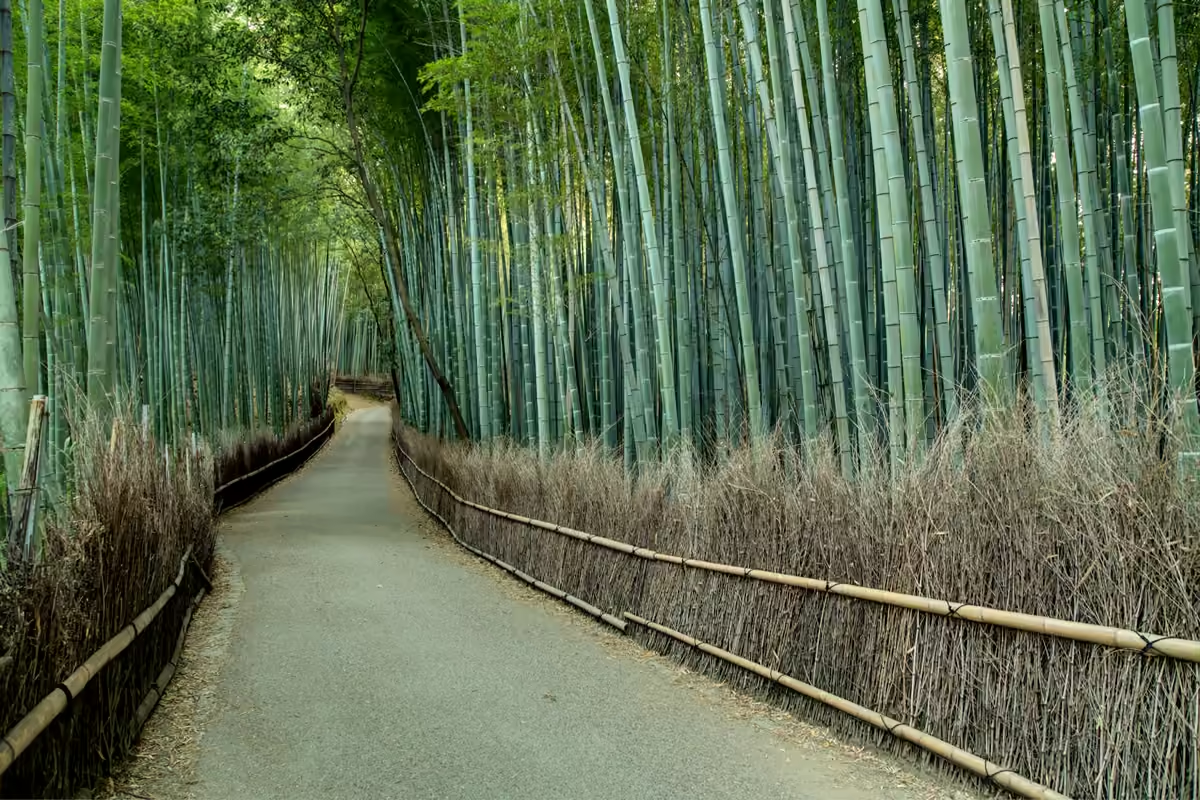
8 photographs, each with its photographer and licence.








Jump to
Where to go
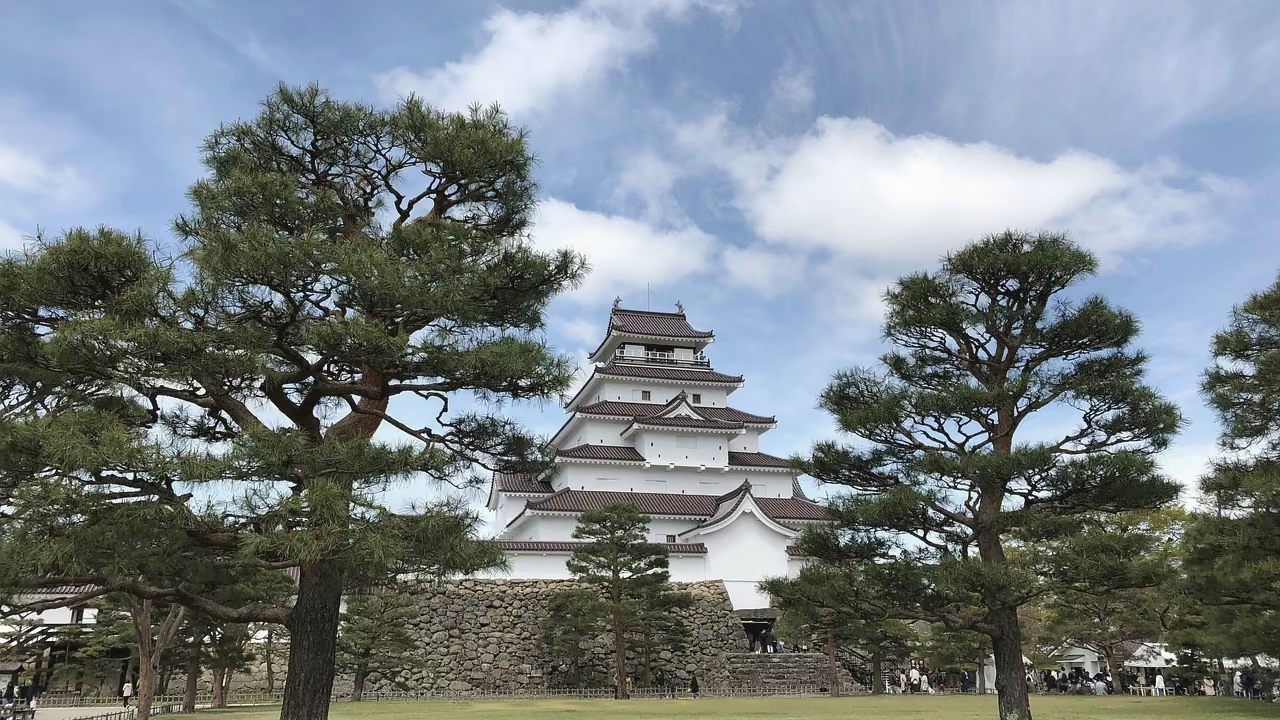 AizuwakamatsuFKS
i
Photo: smith3 on Pixabay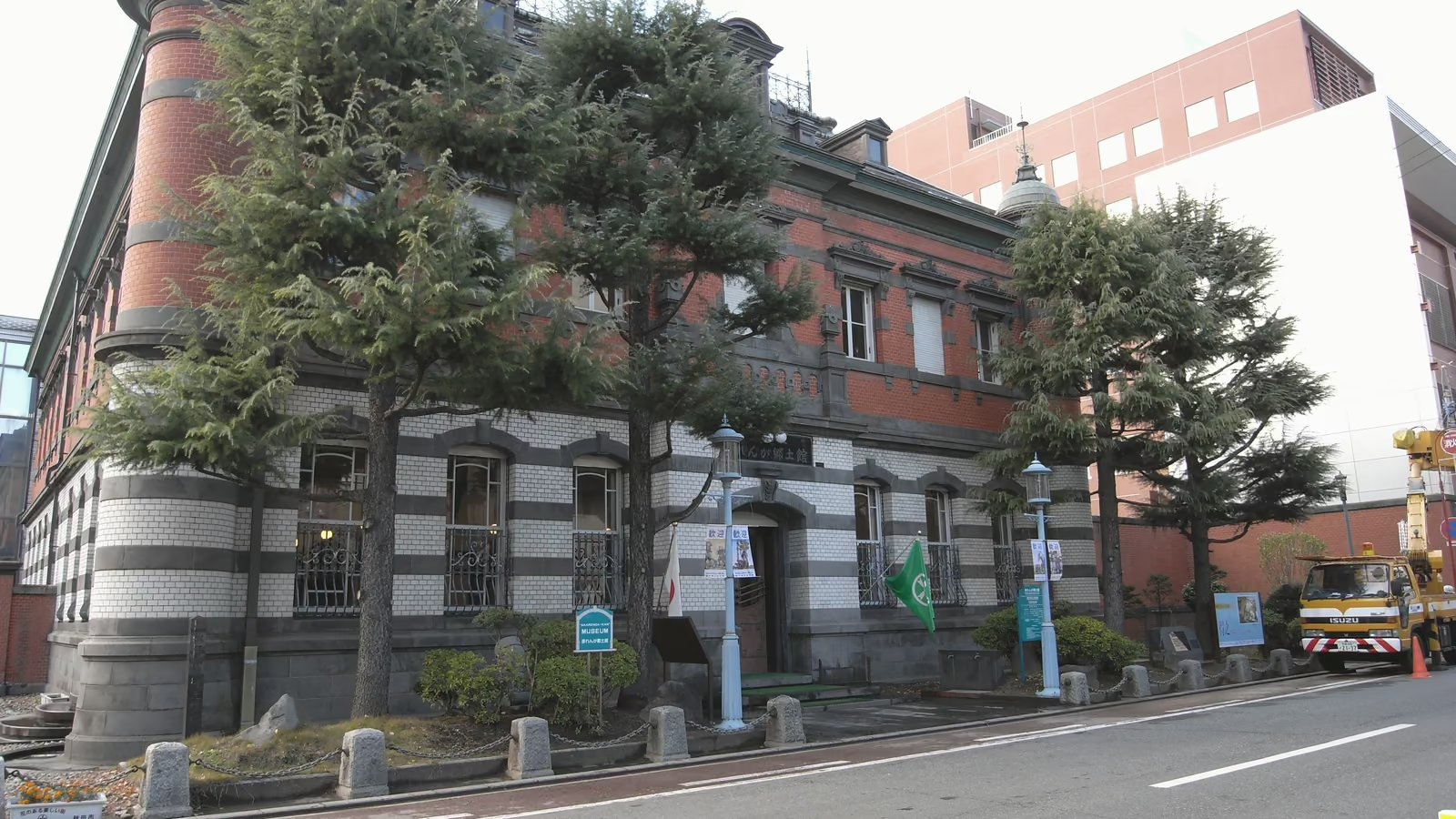 AkitaAXT
i
Photo: くろふね, Wikimedia Commons (CC BY 3.0)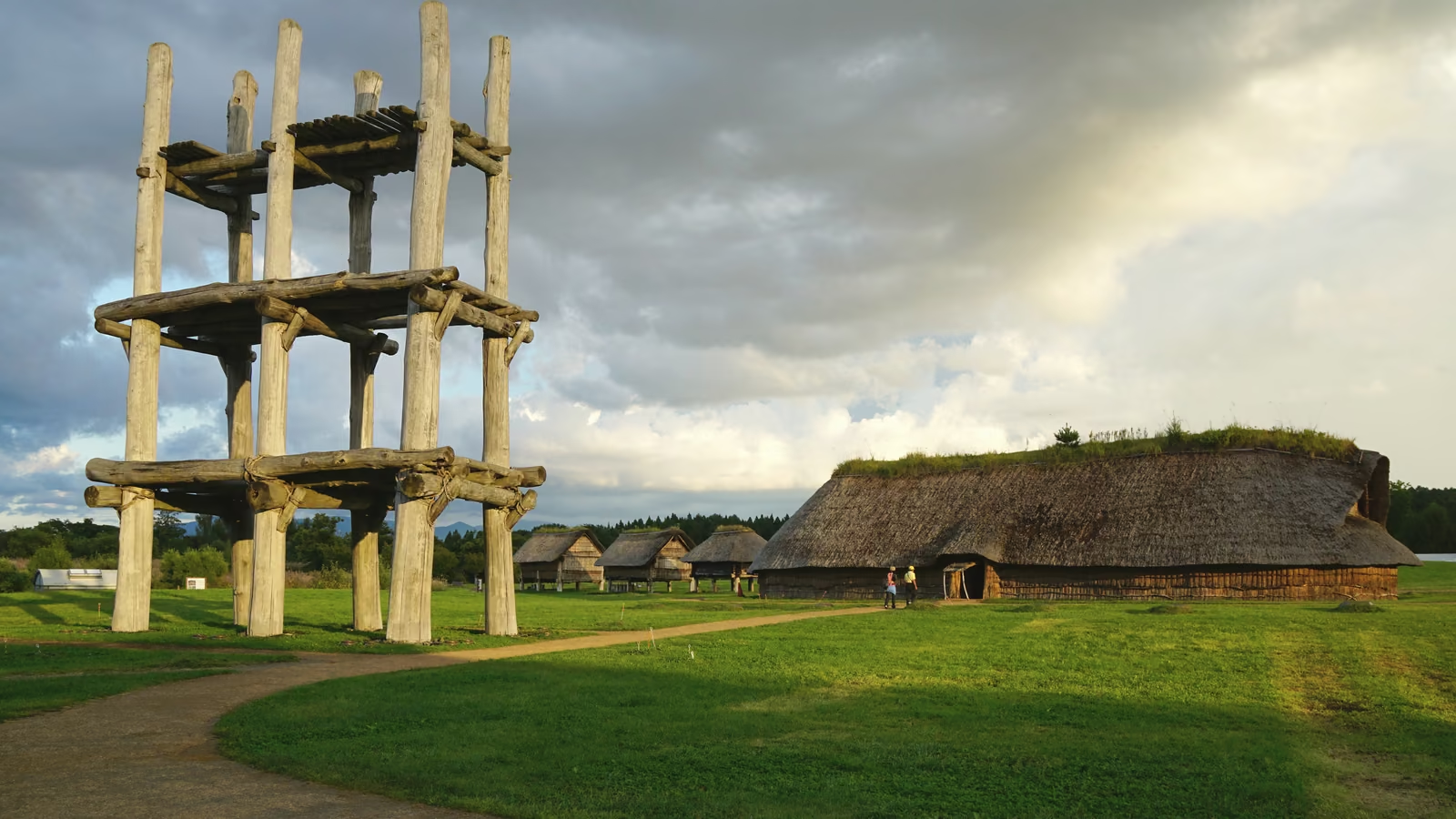 AomoriAOJ
i
Photo: 663highland, Wikimedia Commons (CC BY 2.5)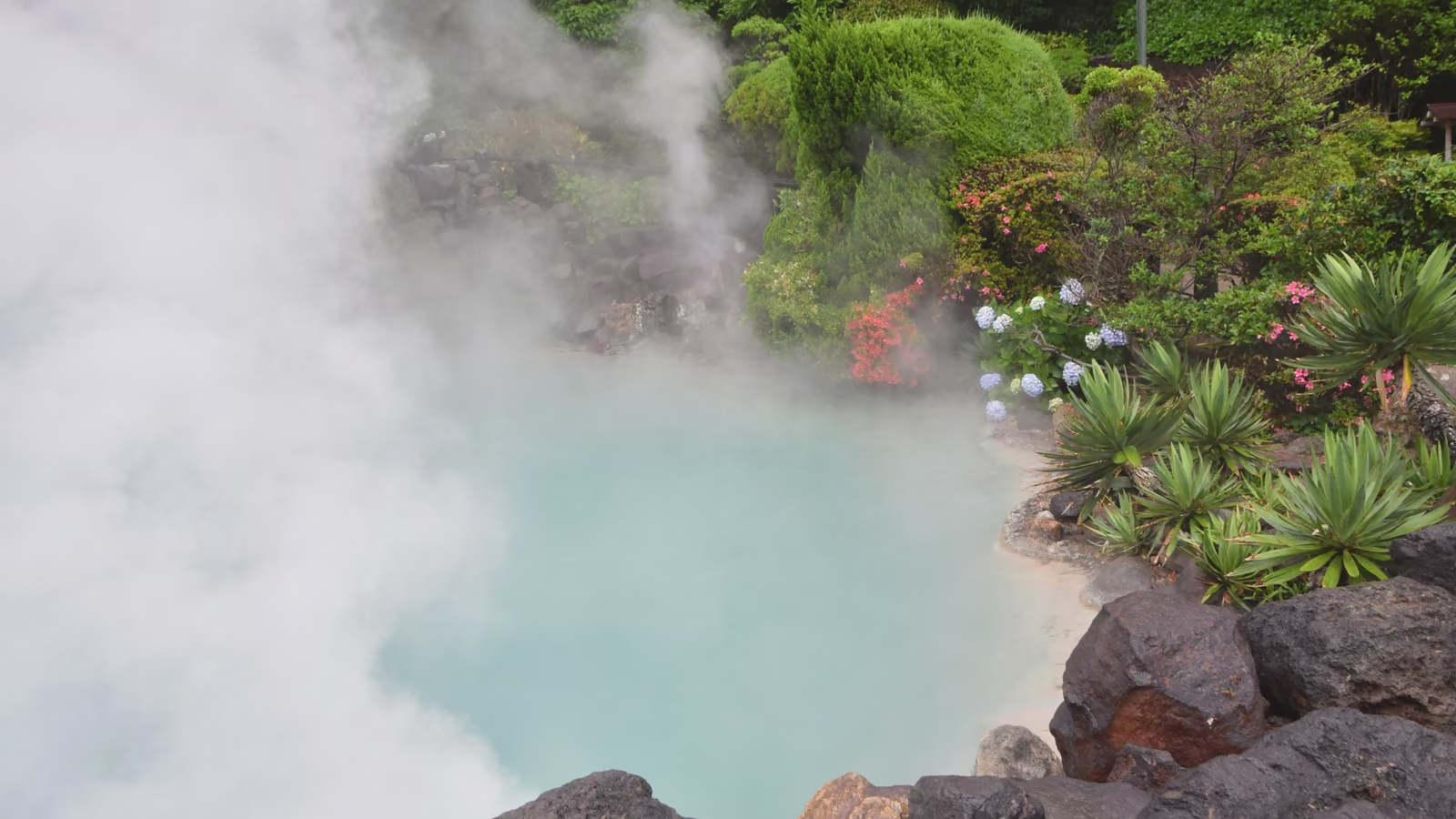 BeppuOIT
i
Photo: Raita Futo, Wikimedia Commons (CC BY 2.0)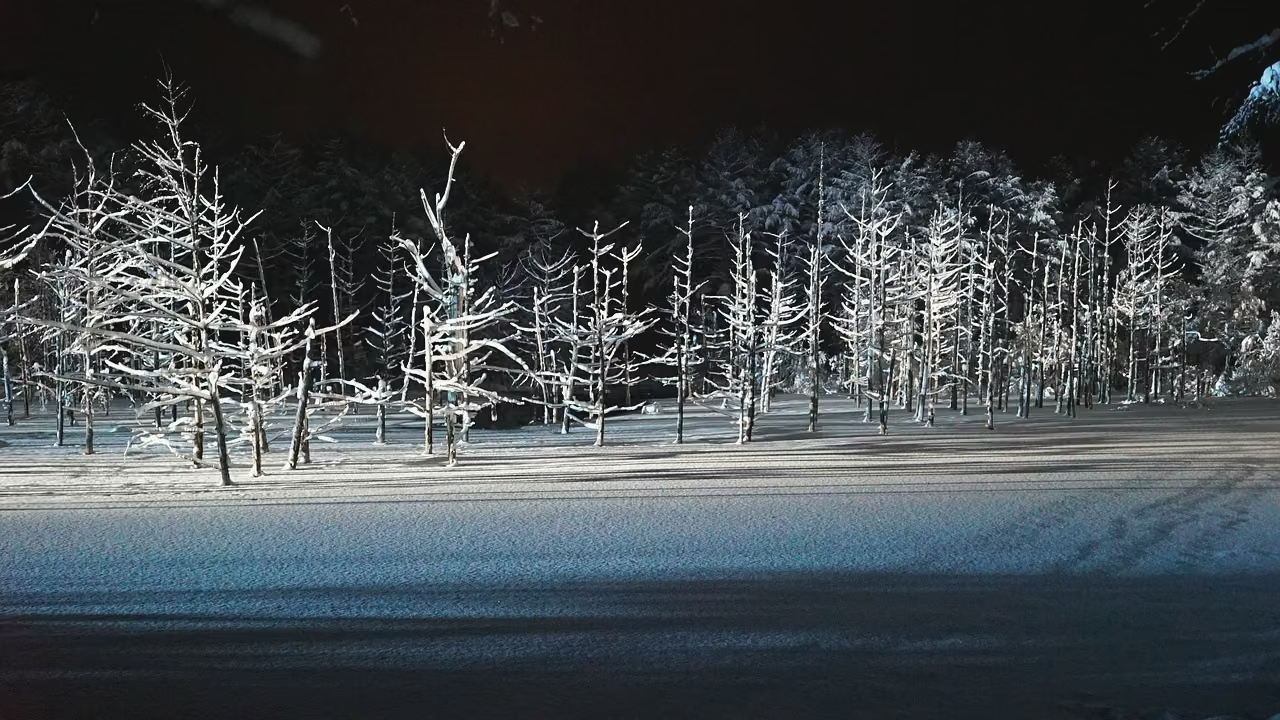 BieiAKJ · CTS
i
Photo: mutomasataka on Pixabay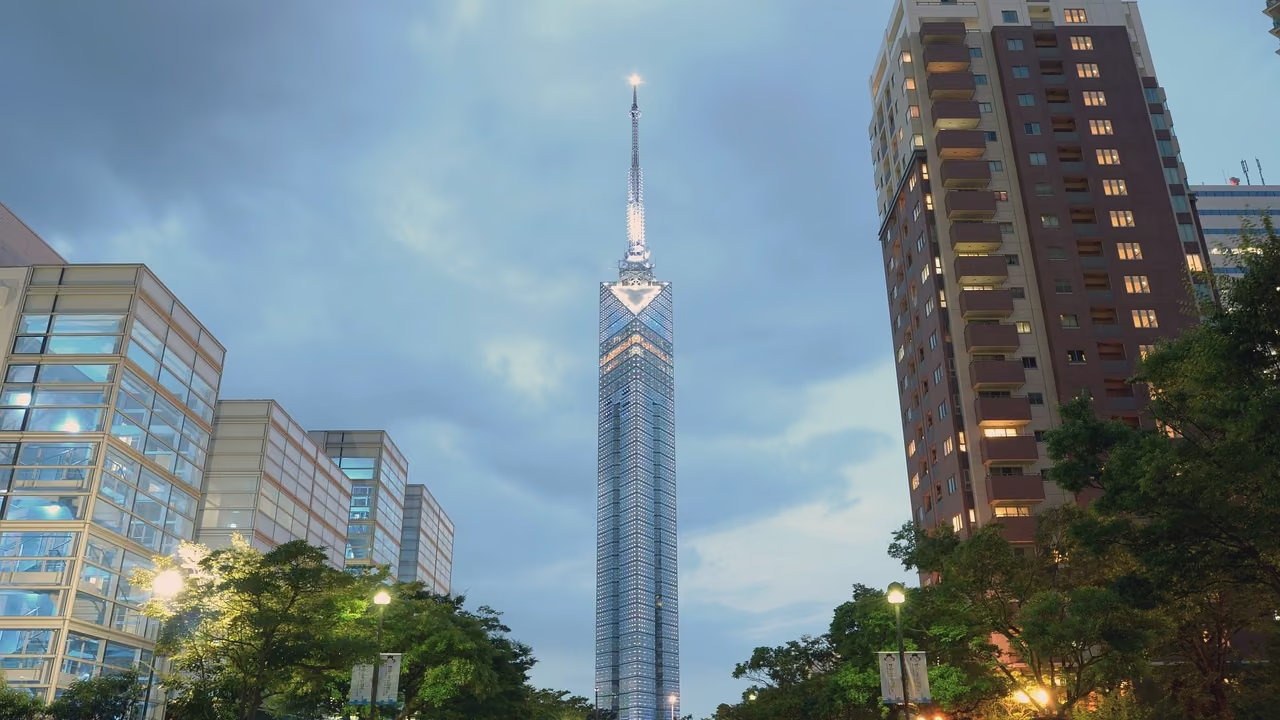 FukuokaFUK
i
Photo: Txema_ on Pixabay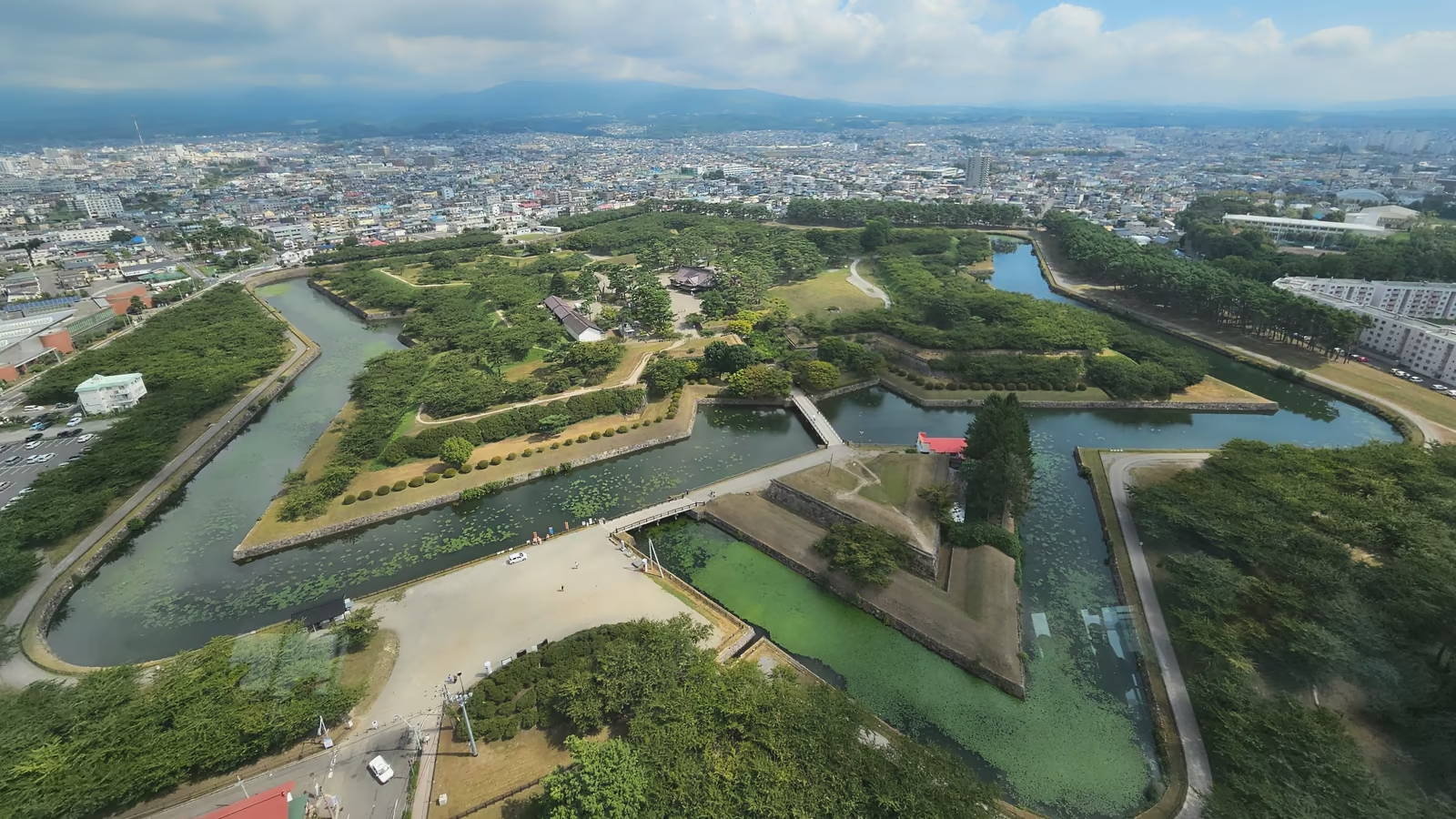 HakodateHKD
i
Photo: lumoplank, Wikimedia Commons (CC0) HakoneNRT
i
Photo: Quercus acuta, Wikimedia Commons (CC0) HimejiUKB · ITM · KIX
i
Photo: pen_ash on Pixabay HirosakiAOJ
i
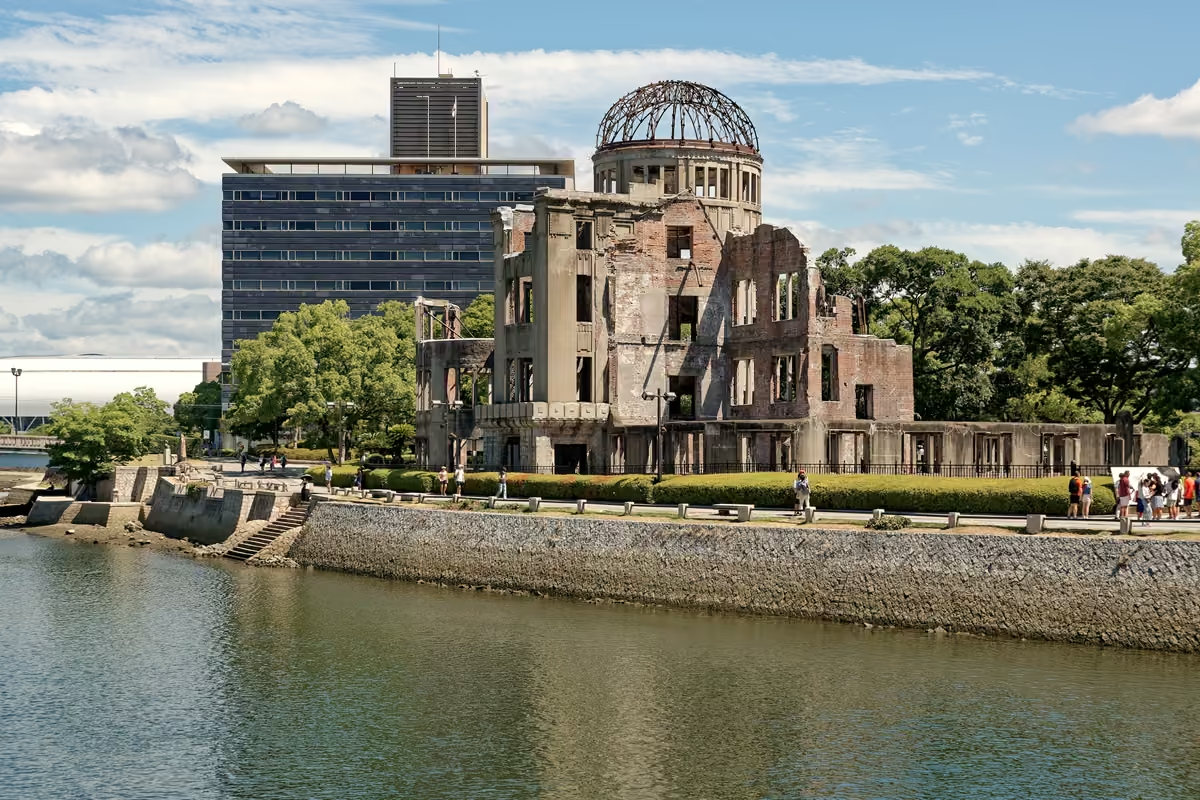
Photo: 12019 on Pixabay HiroshimaHIJ
i
Photo: Jakub Hałun, Wikimedia Commons (CC BY 4.0)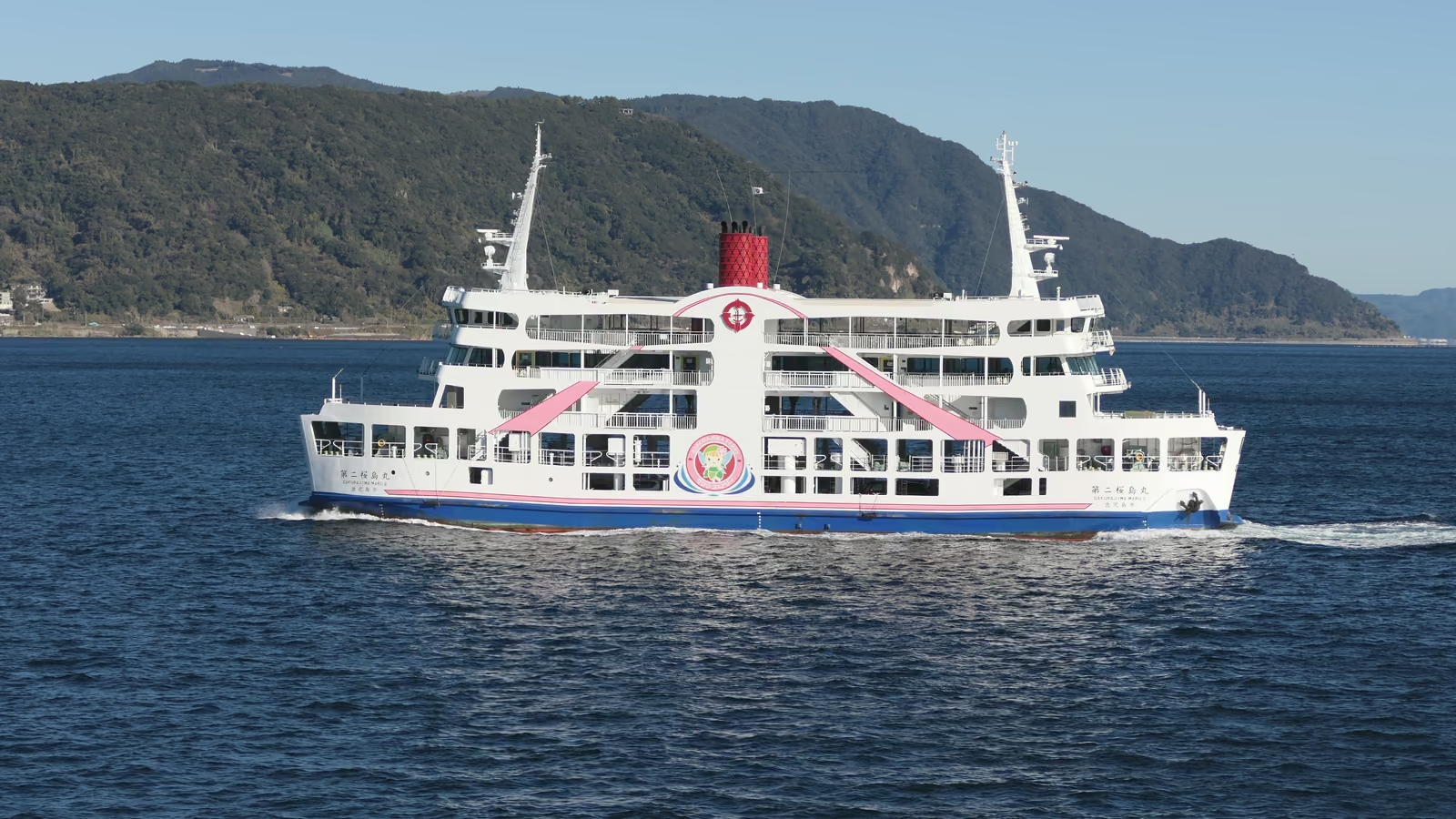 KagoshimaKOJ
i
Photo: Hyppolyte de Saint-Rambert, Wikimedia Commons (CC BY 4.0)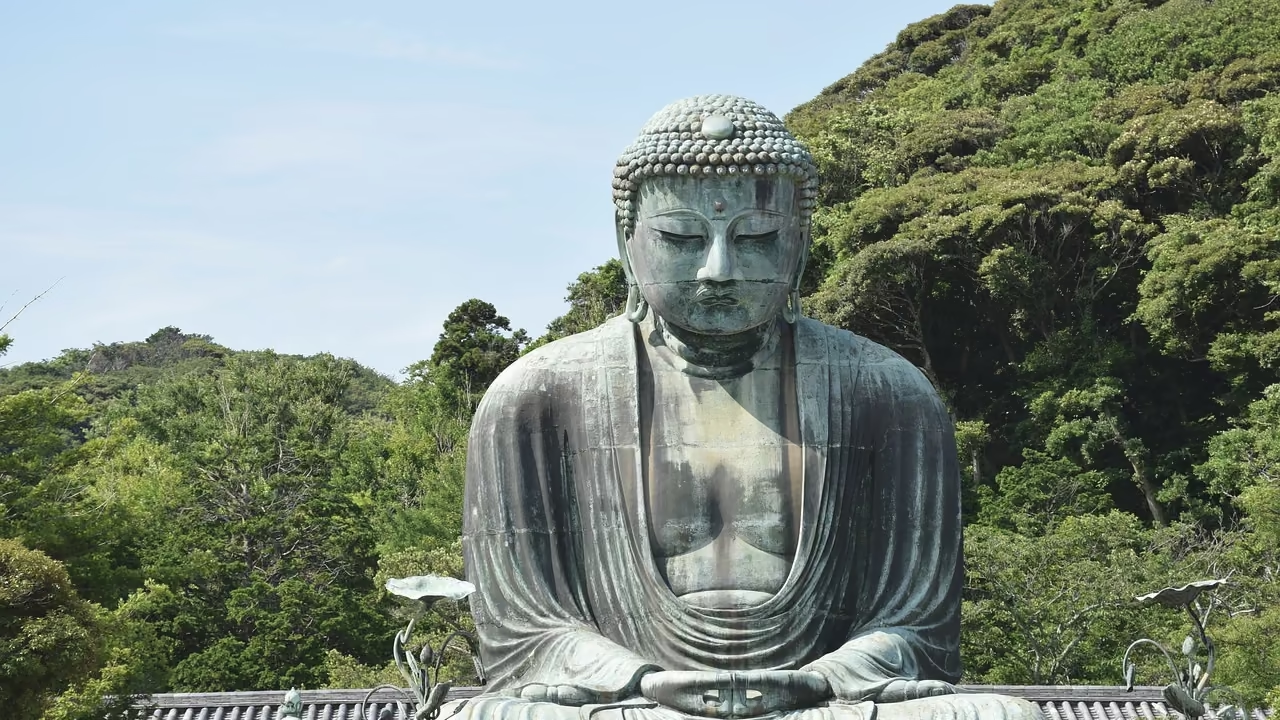 KamakuraHND
i
Photo: KENHORI on Pixabay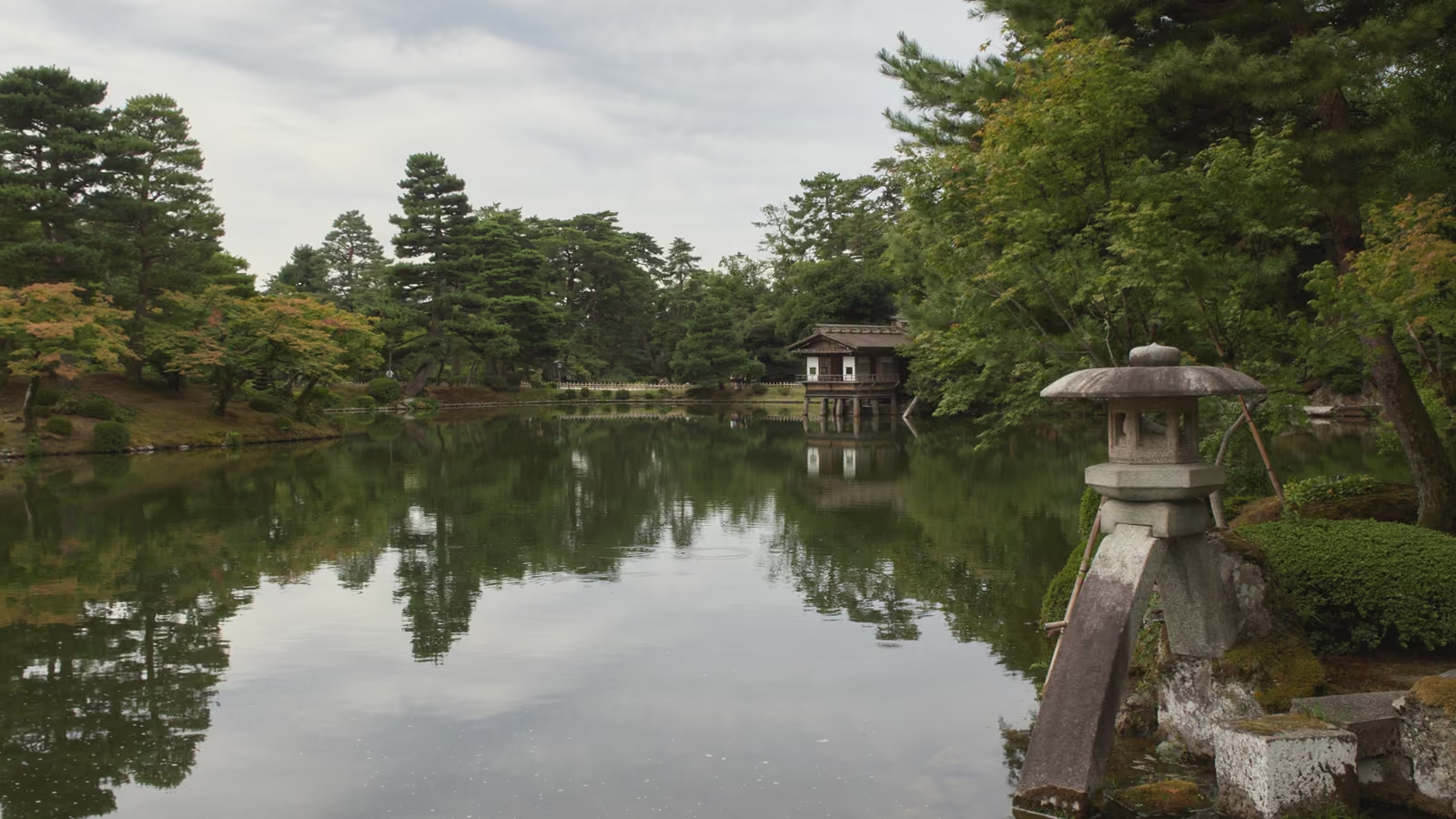 KanazawaKMQ
i
Photo: lumoplank, Wikimedia Commons (CC0)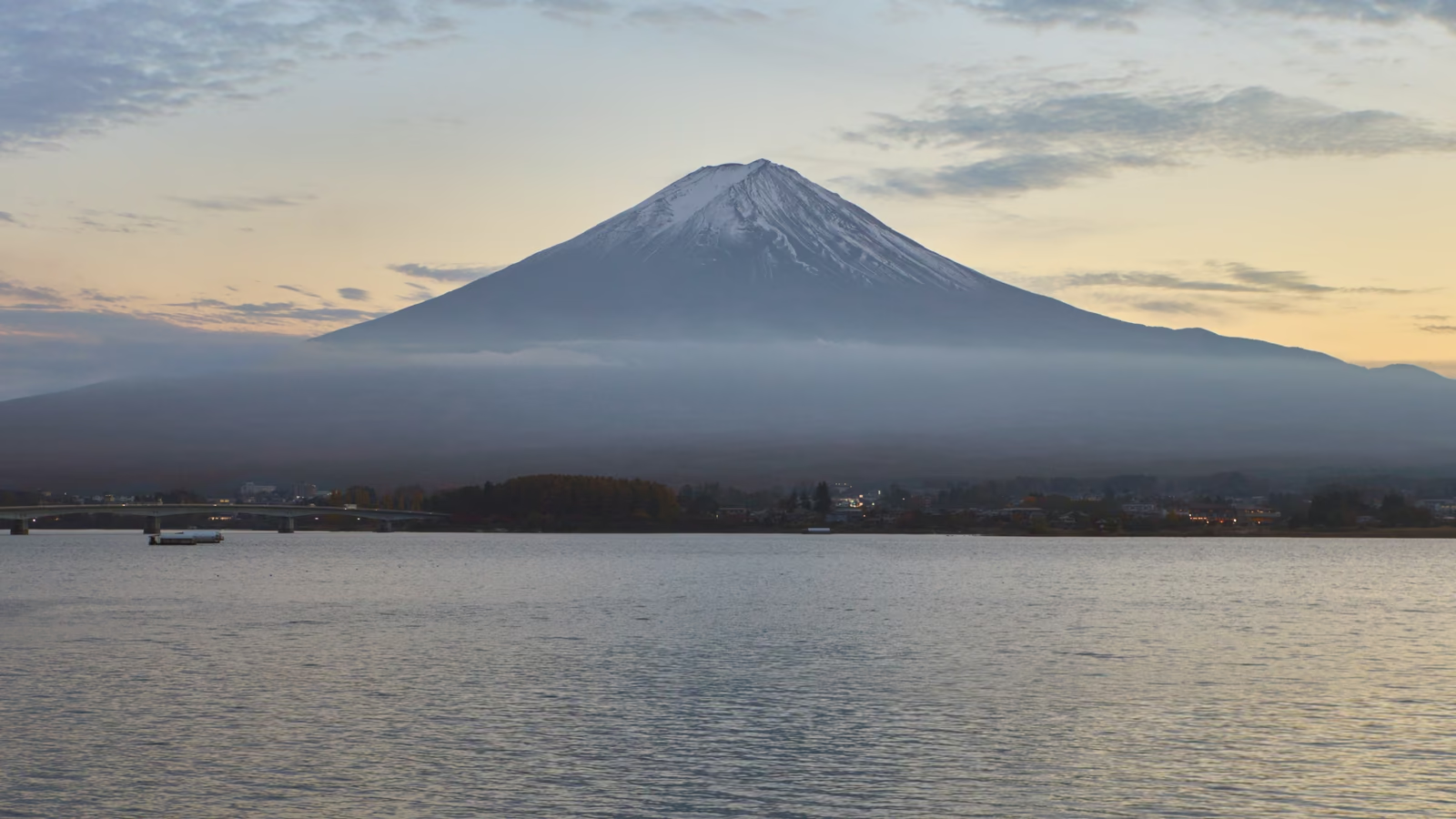 Kawaguchiko (Mount Fuji)HND · NRT
i
Photo: lumoplank, Wikimedia Commons (CC0)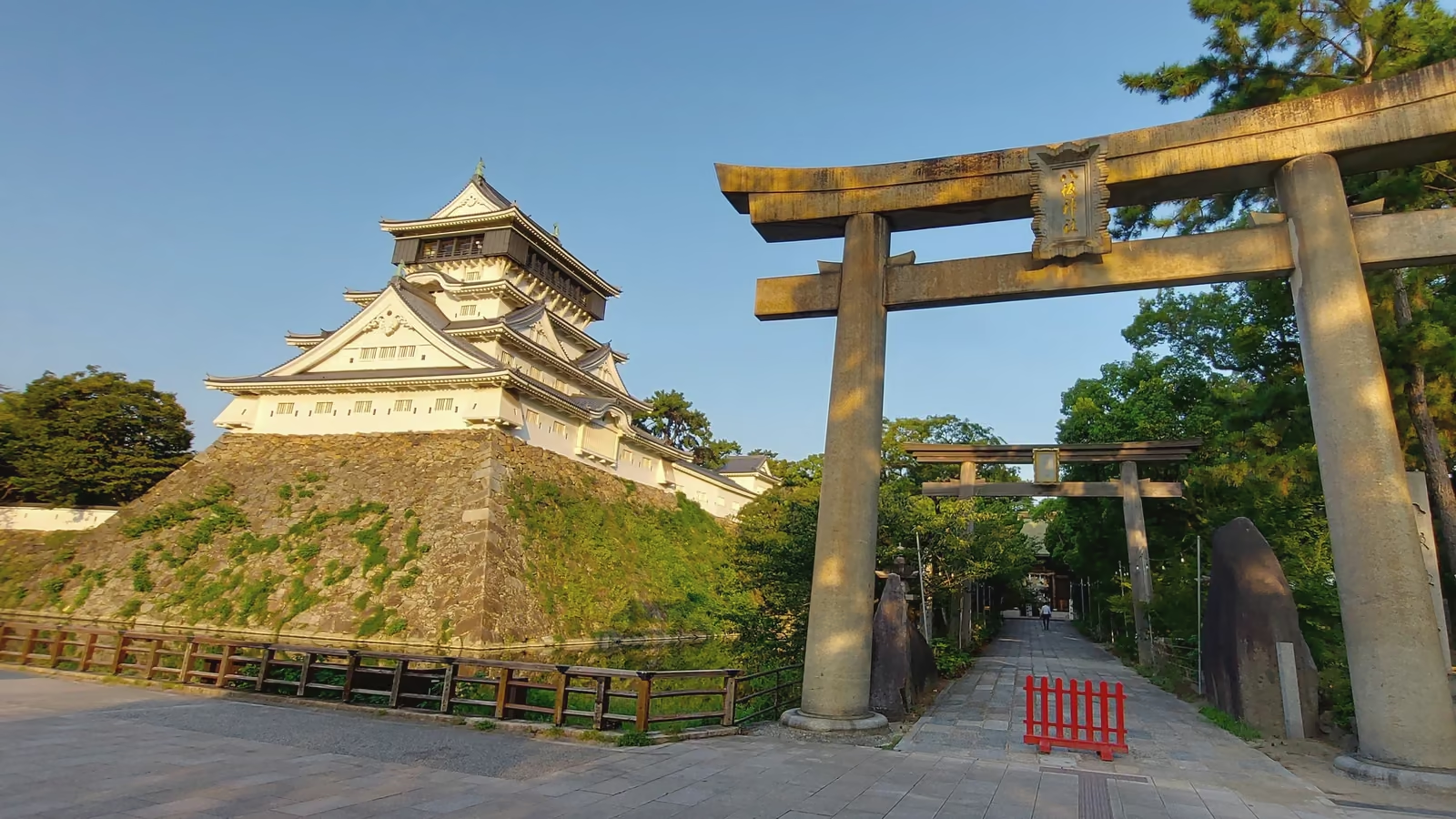 KitakyushuKKJ
i
Photo: Stjepko Krehula, Wikimedia Commons (CC BY 4.0)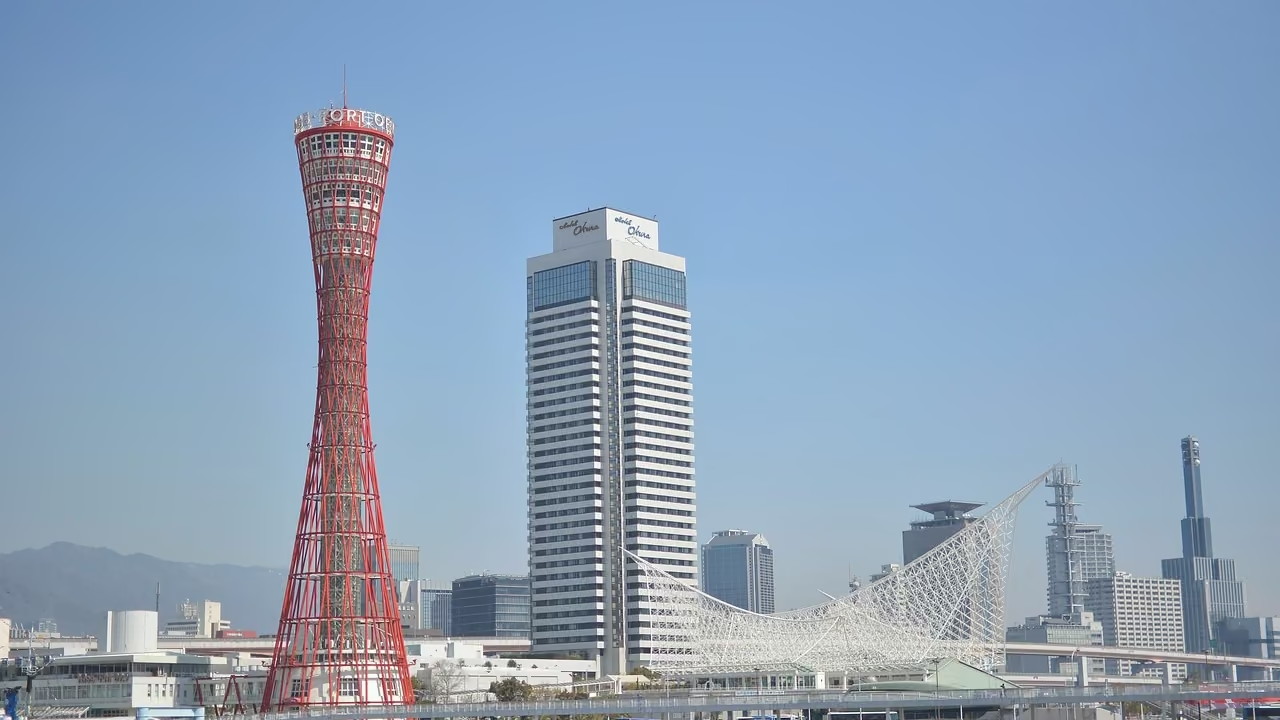 KobeUKB · KIX
i
Photo: backy3723 on Pixabay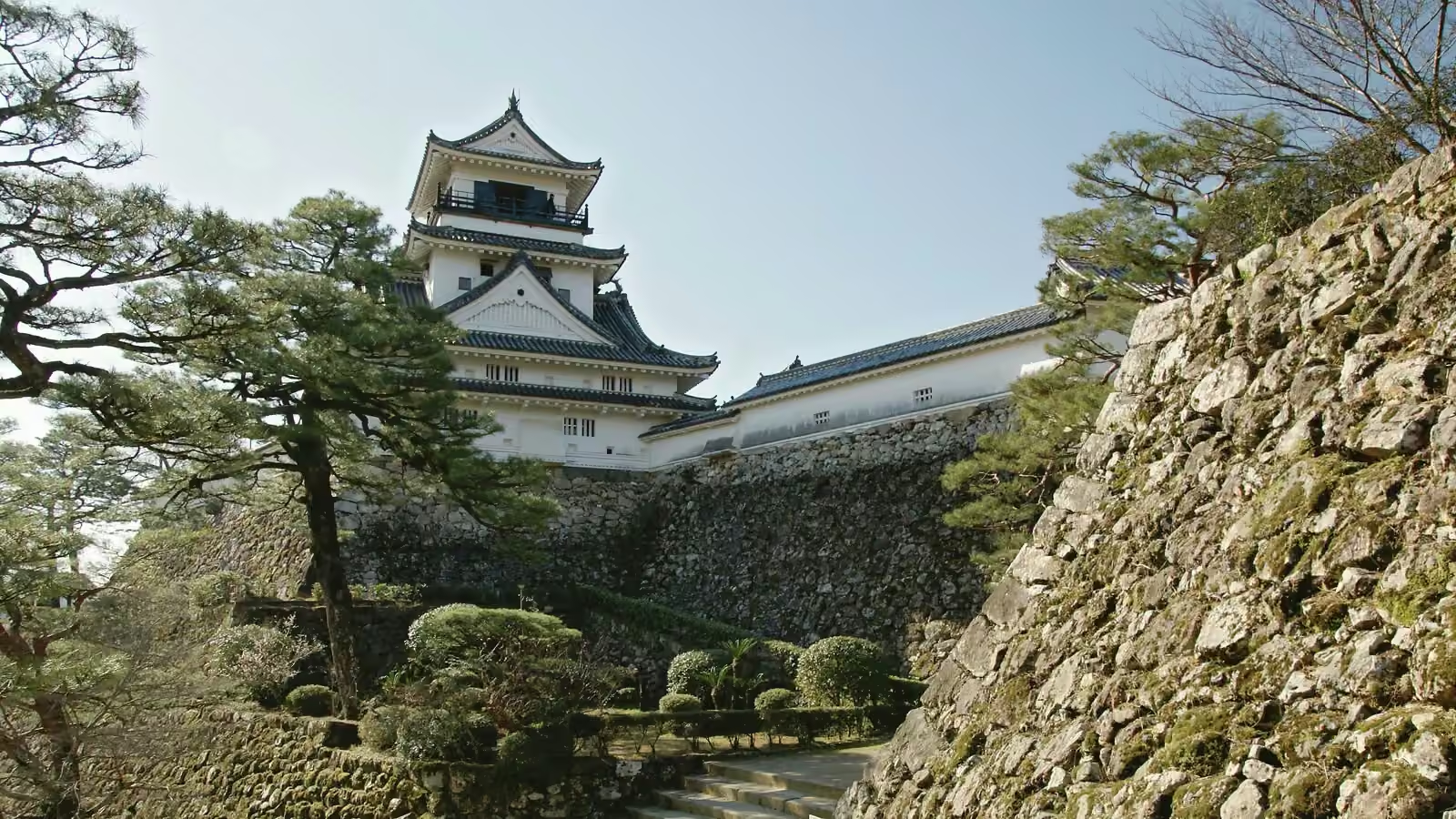 KochiKCZ
i
Photo: 663highland, Wikimedia Commons (CC BY 2.5)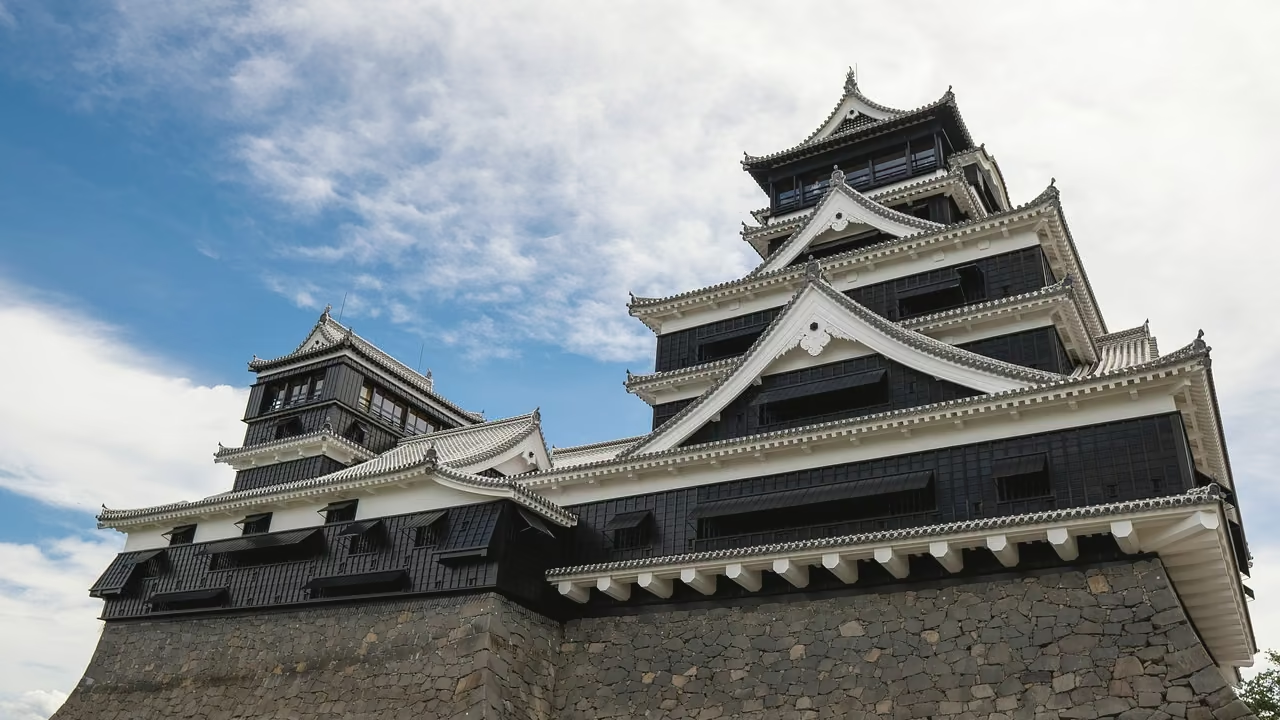 KumamotoKMJ
i
Photo: T_Kohei on Pixabay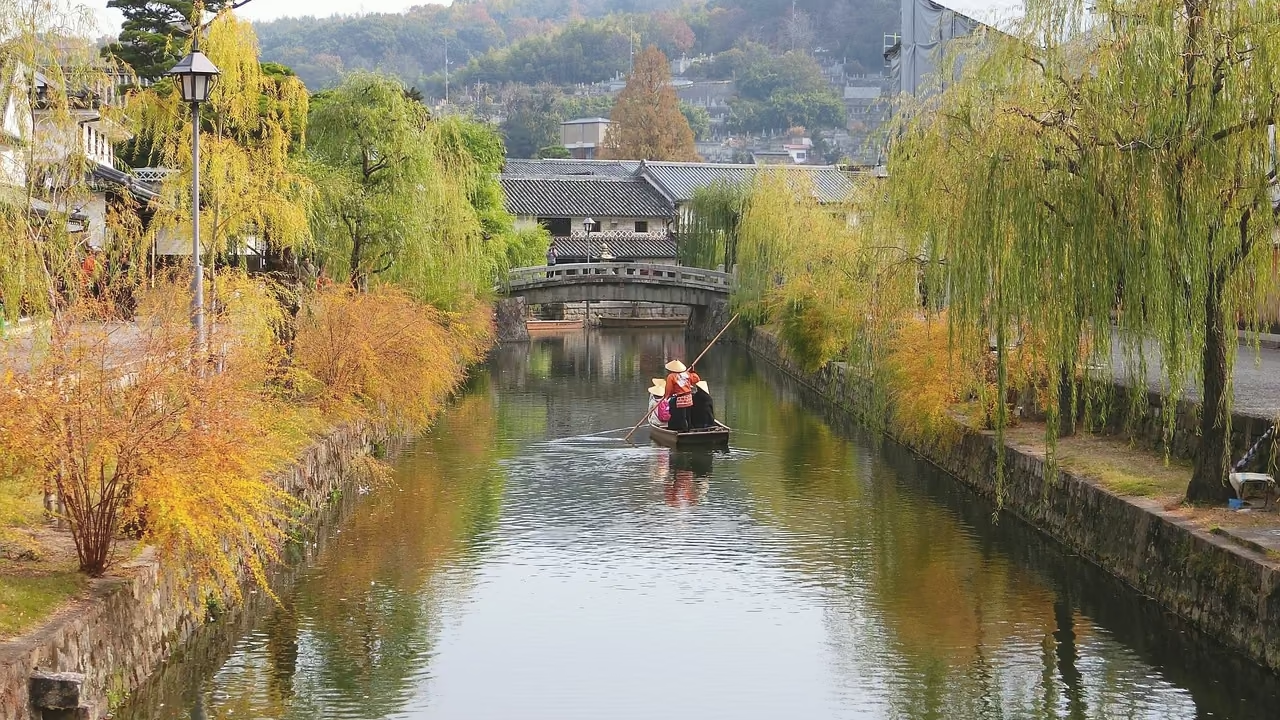 KurashikiOKJ
i
Photo: chechanie on Pixabay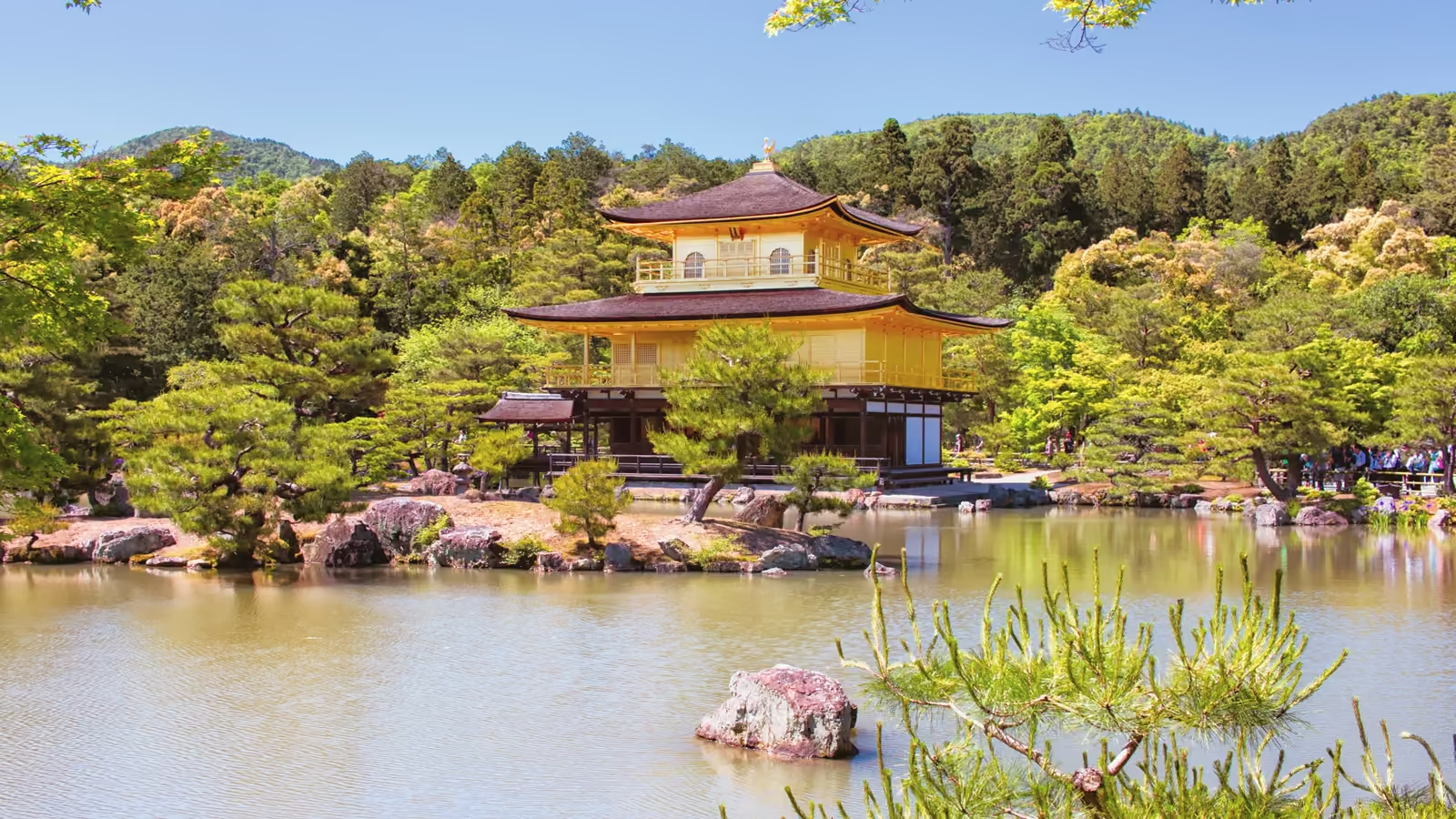 KyotoKIX
i
Photo: Ray in Manila, Wikimedia Commons (CC BY 2.0)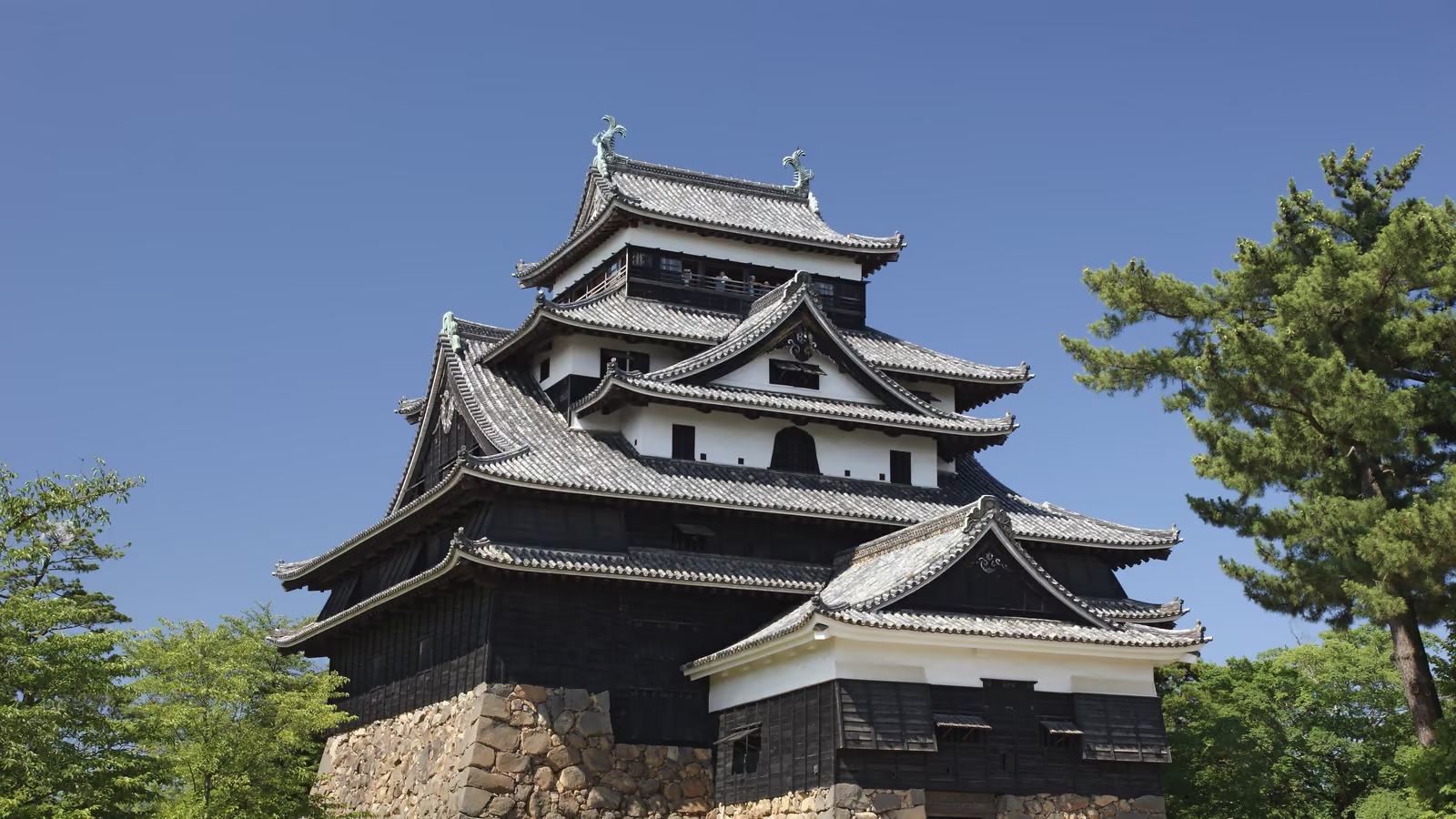 MatsueIZO · YGJ
i
Photo: 663highland, Wikimedia Commons (CC BY 2.5) MatsumotoMMJ
i
Photo: kimura2 on Pixabay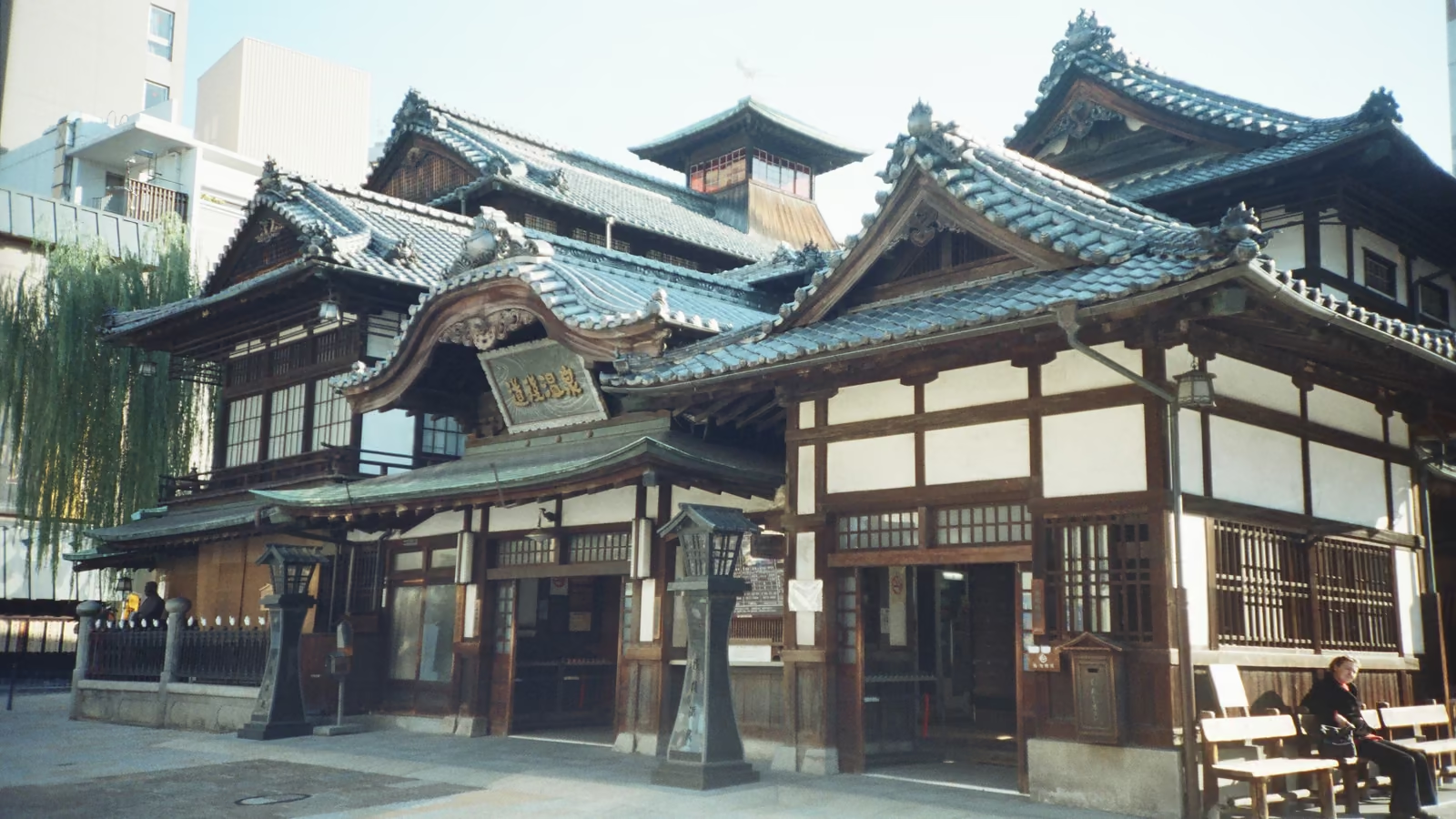 MatsuyamaMYJ
i
Photo: Arnaud Malon, Wikimedia Commons (CC BY 2.0)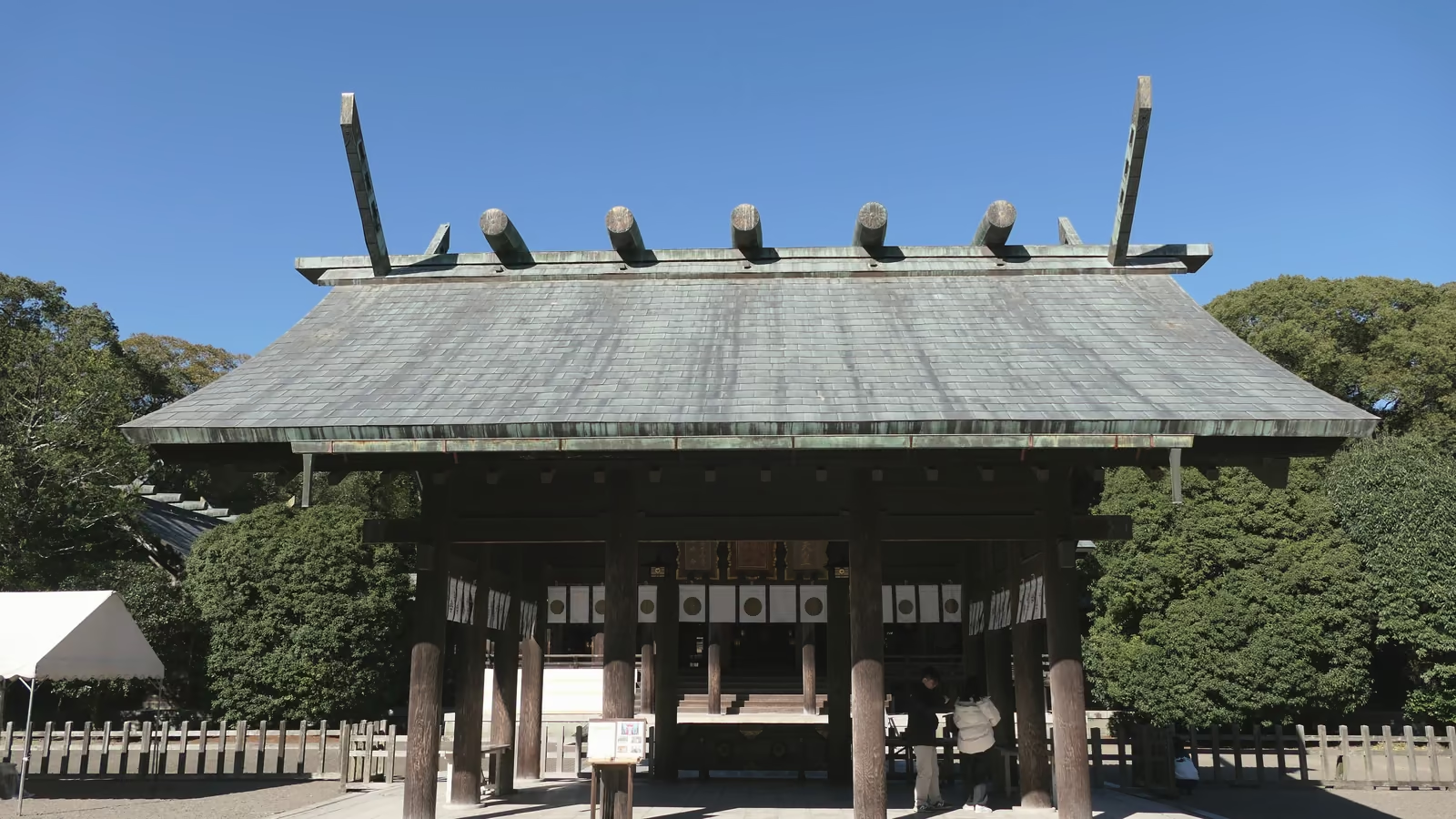 MiyazakiKMI
i
Photo: Hyppolyte de Saint-Rambert, Wikimedia Commons (CC BY 4.0)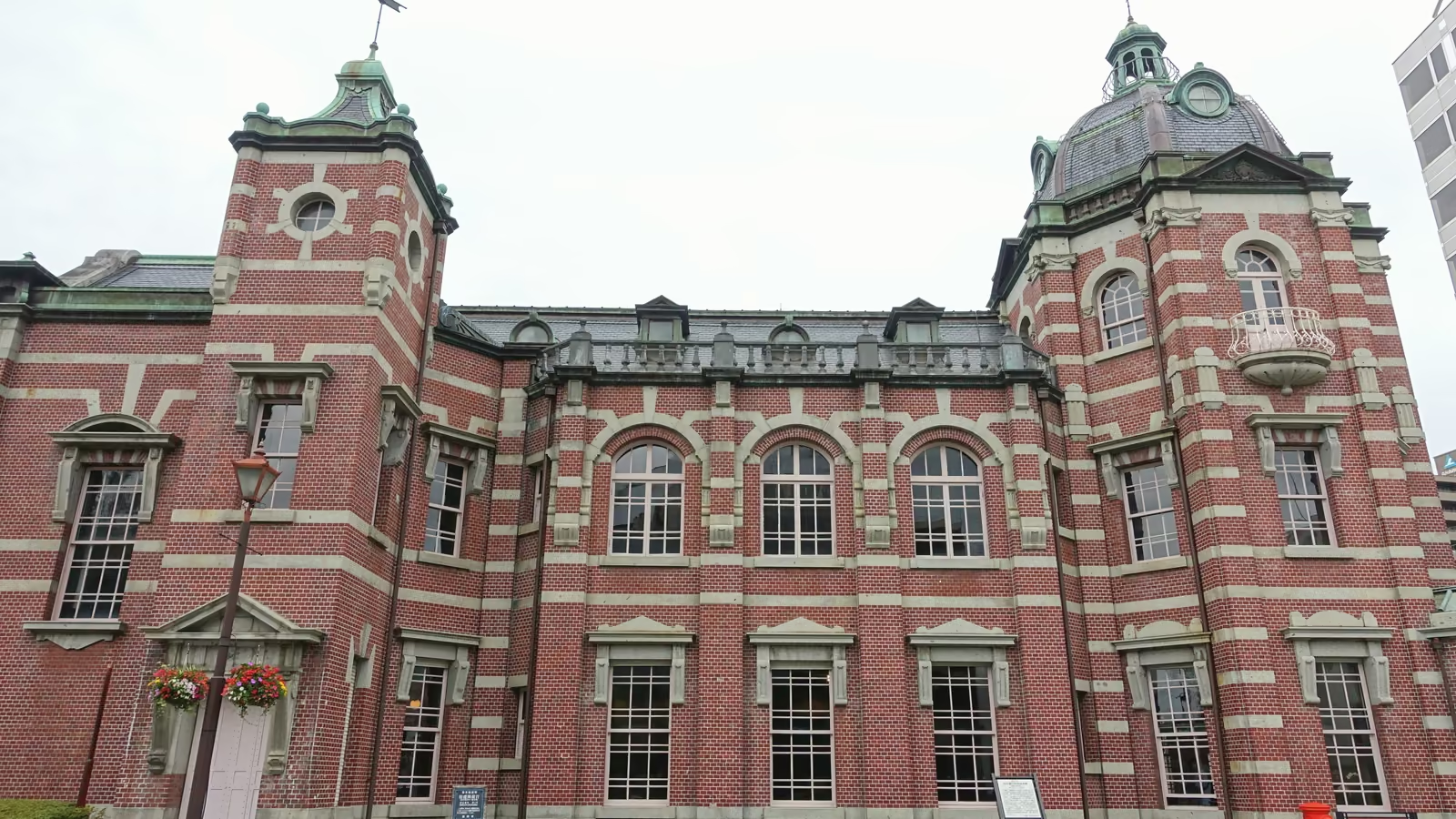 MoriokaHNA
i
Photo: Daderot, Wikimedia Commons (CC0)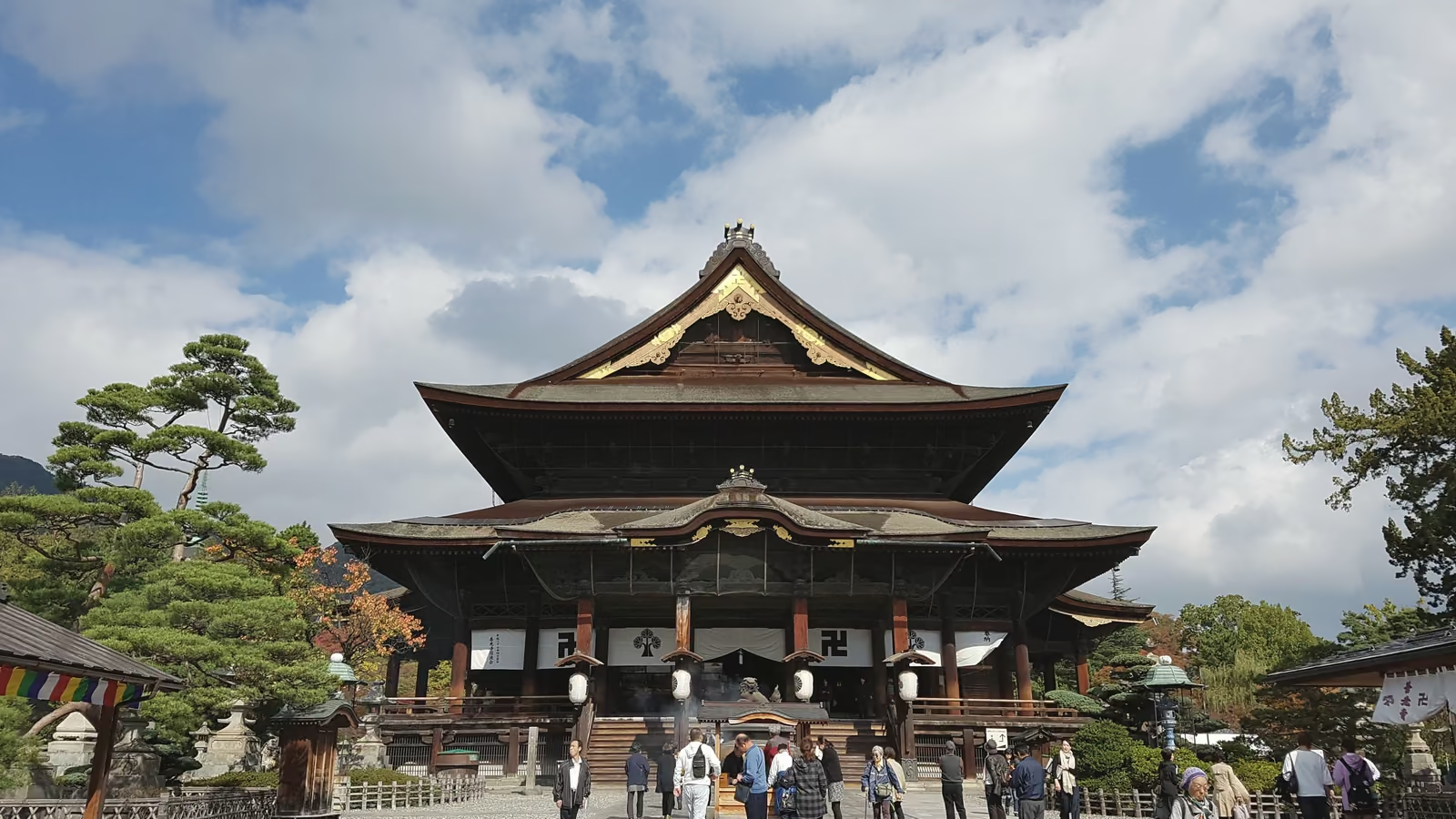 NaganoMMJ
i
Photo: RachelH_, Wikimedia Commons (CC BY 2.0)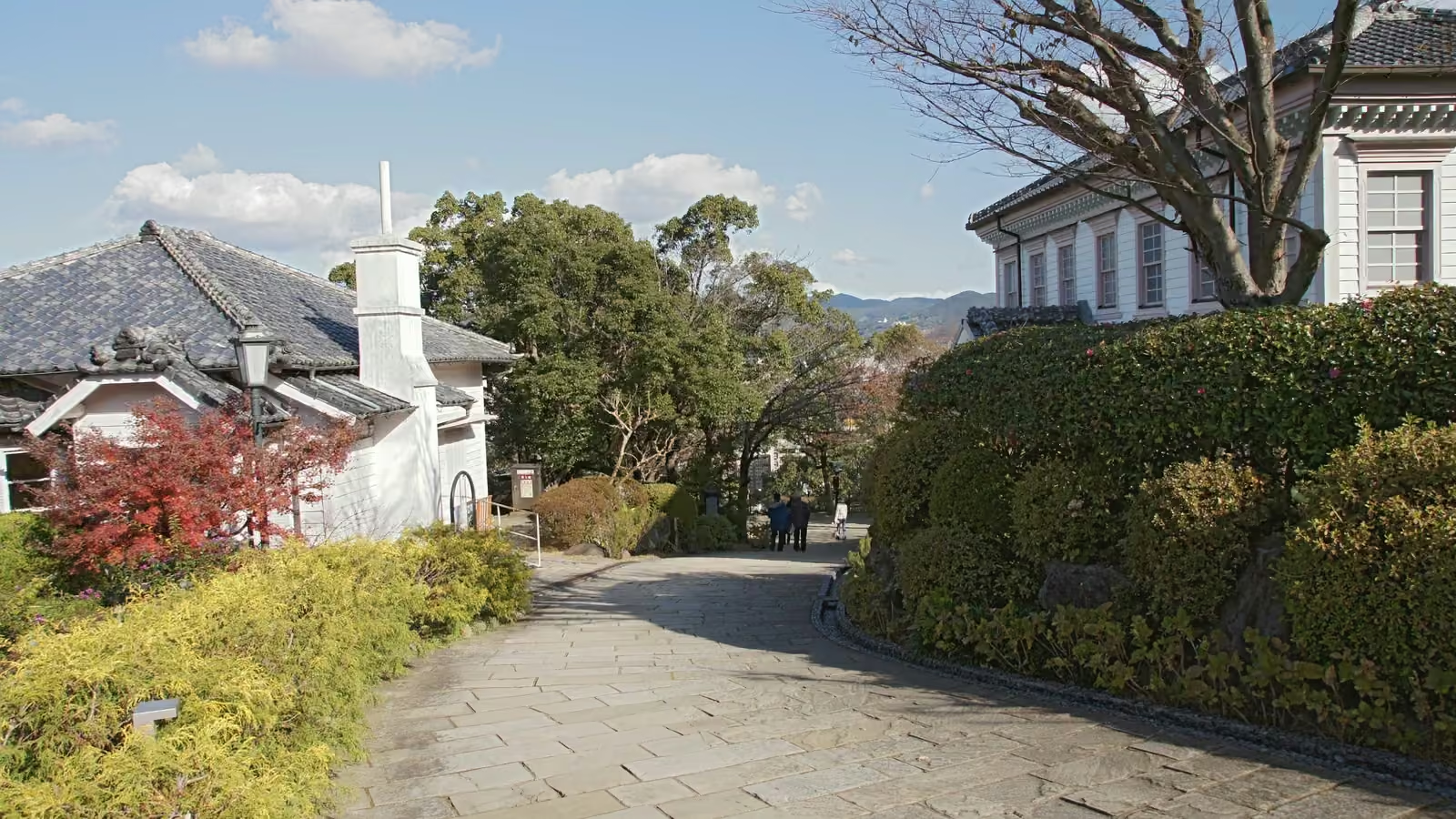 NagasakiNGS
i
Photo: 663highland, Wikimedia Commons (CC BY 2.5)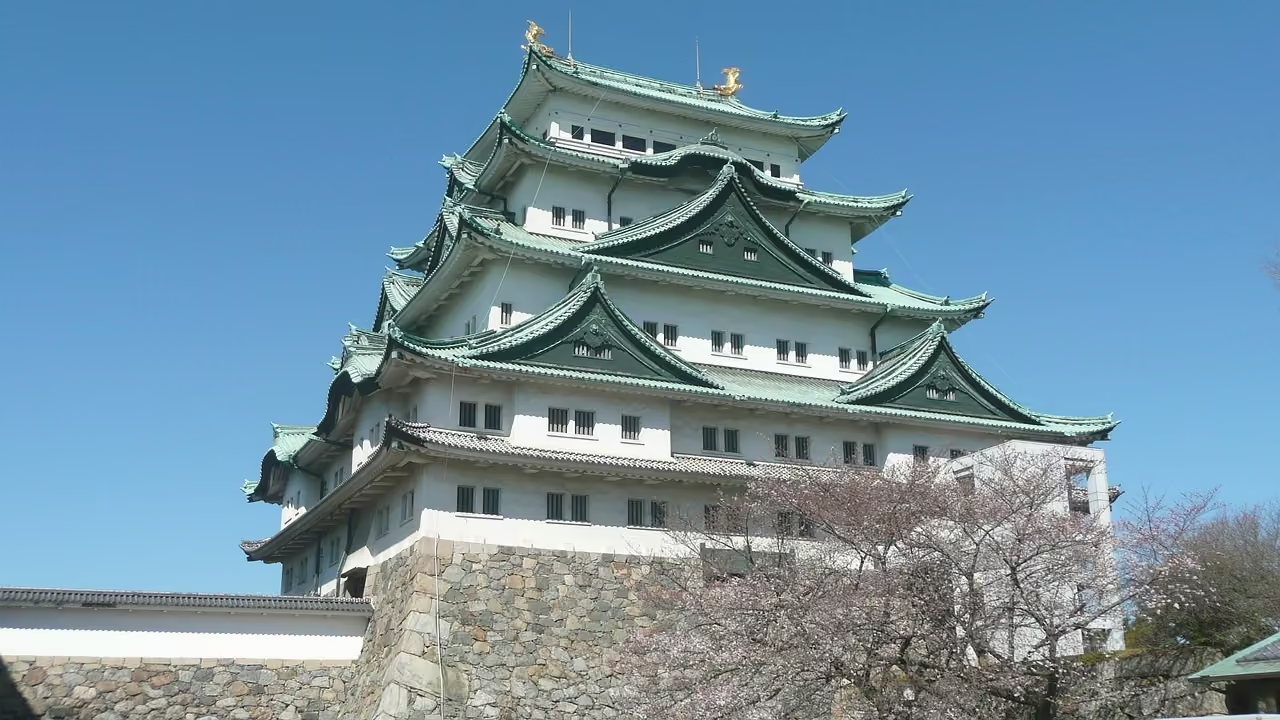 NagoyaNGO
i
Photo: 12019 on Pixabay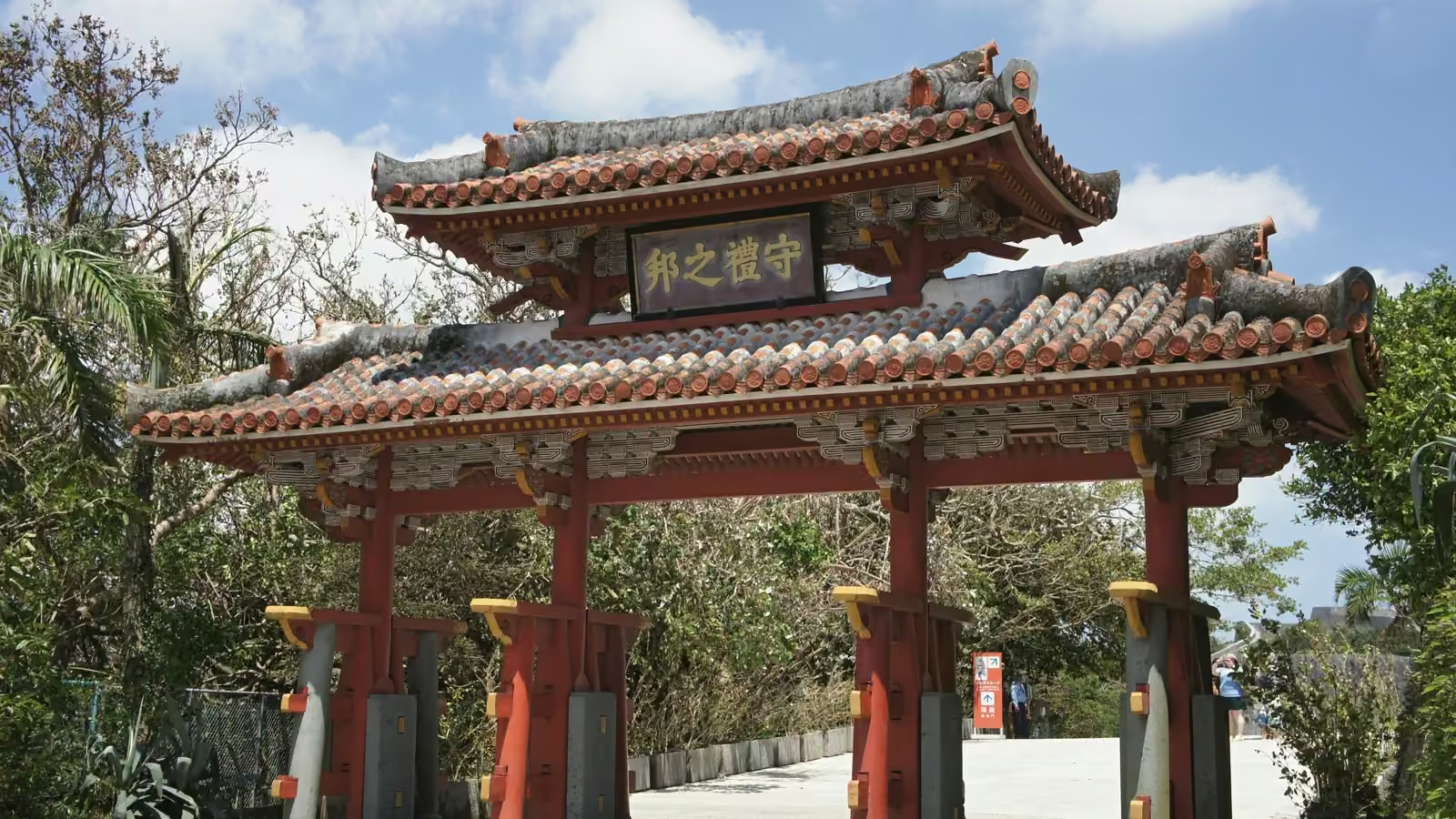 NahaOKA
i
Photo: 663highland, Wikimedia Commons (CC BY 2.5)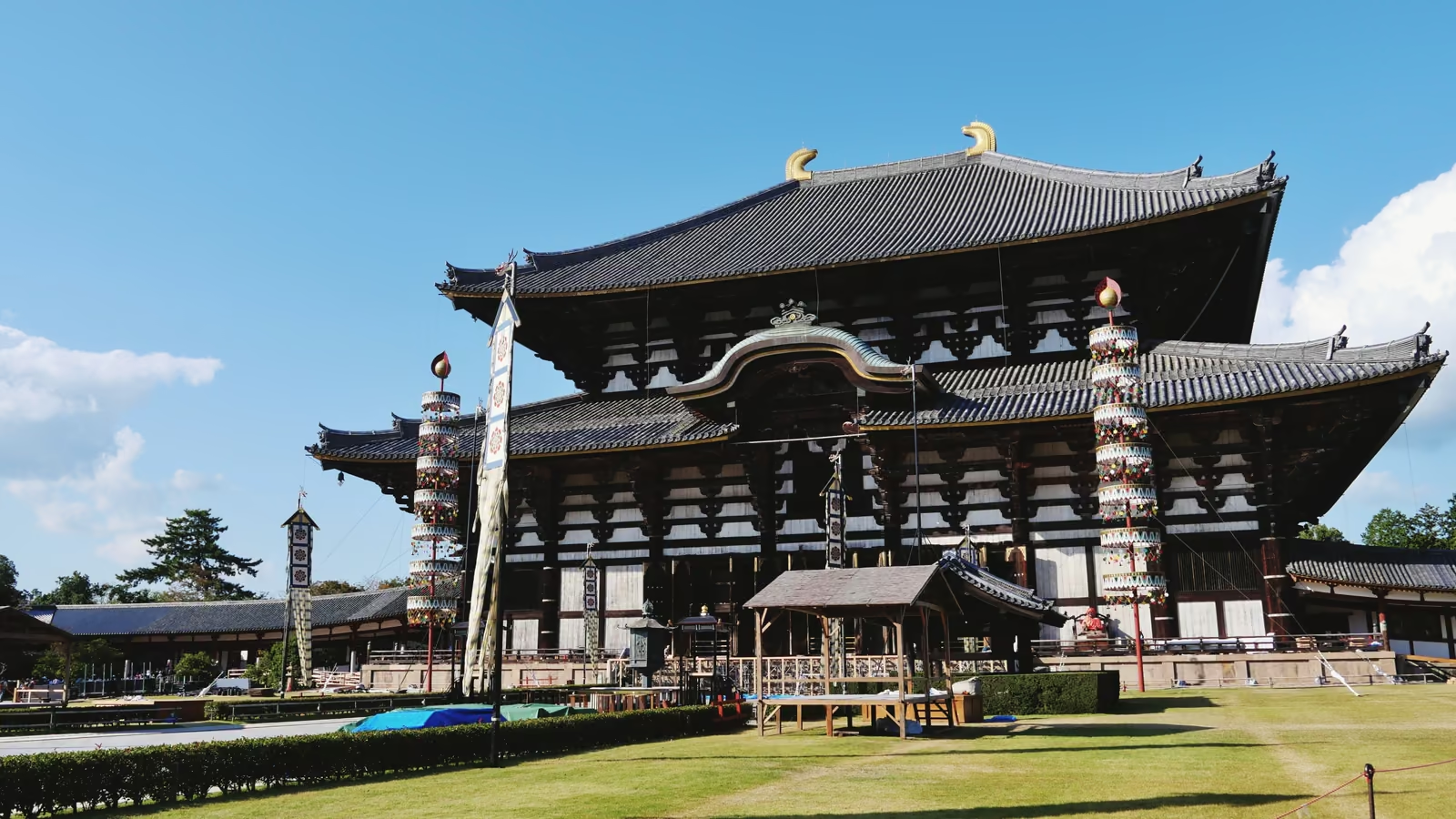 NaraKIX
i
Photo: Zairon, Wikimedia Commons (CC BY 4.0)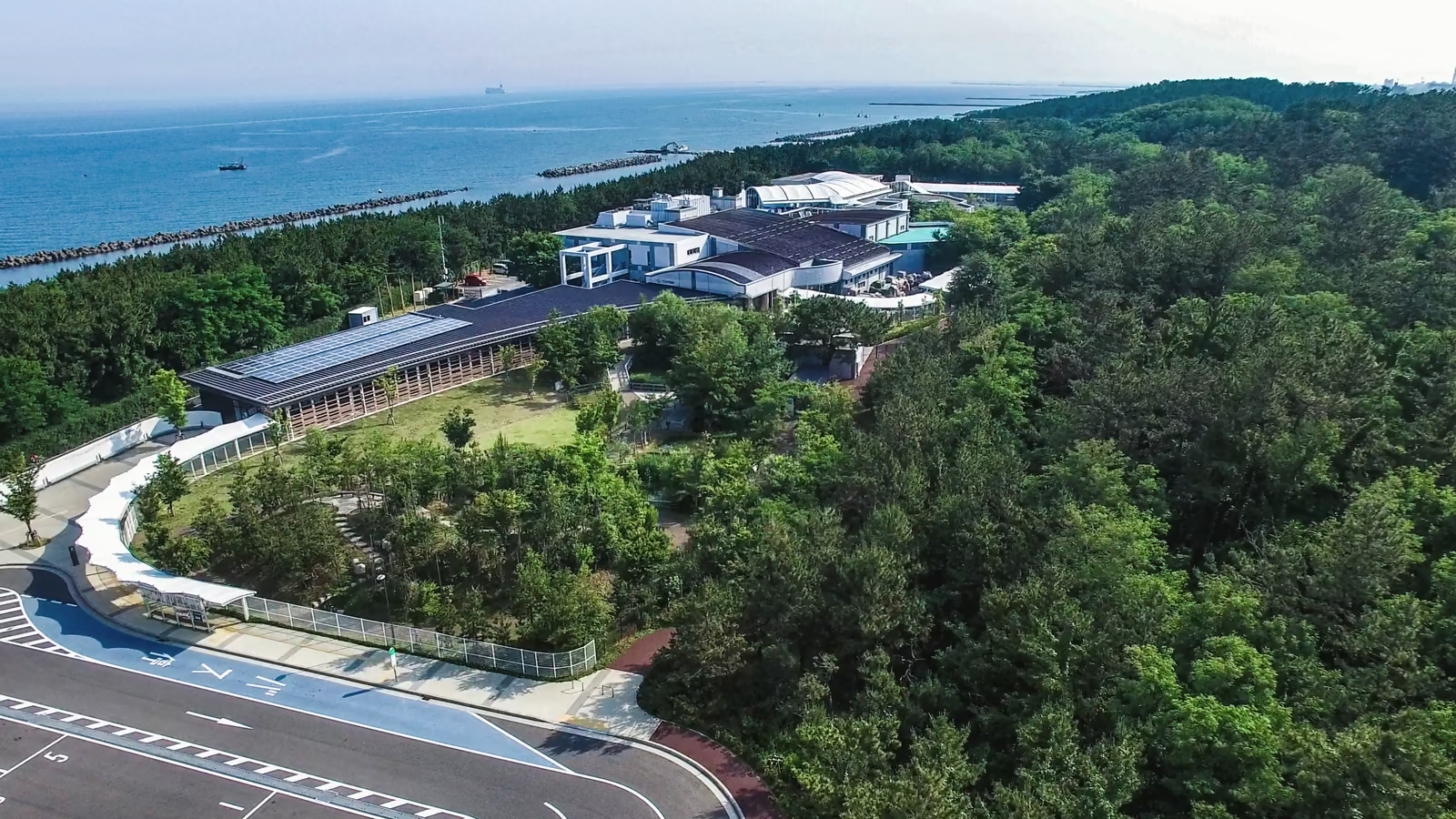 NiigataKIJ
i
Photo: Saganon, Wikimedia Commons (CC BY 3.0)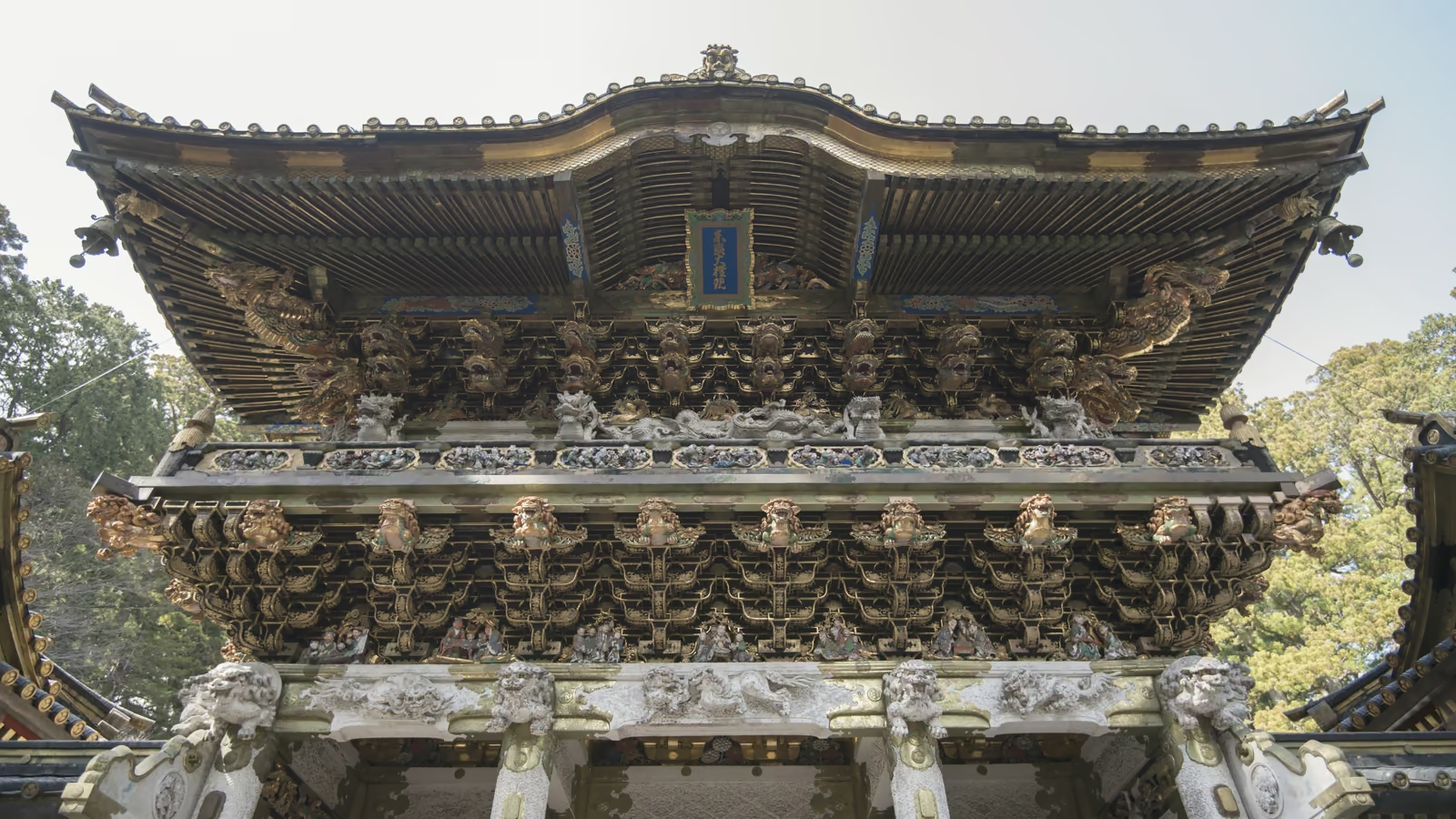 NikkoNRT · HND
i
Photo: Maarten Heerlien from Voorschoten, The Netherlands, Wikimedia Commons (CC BY 2.0)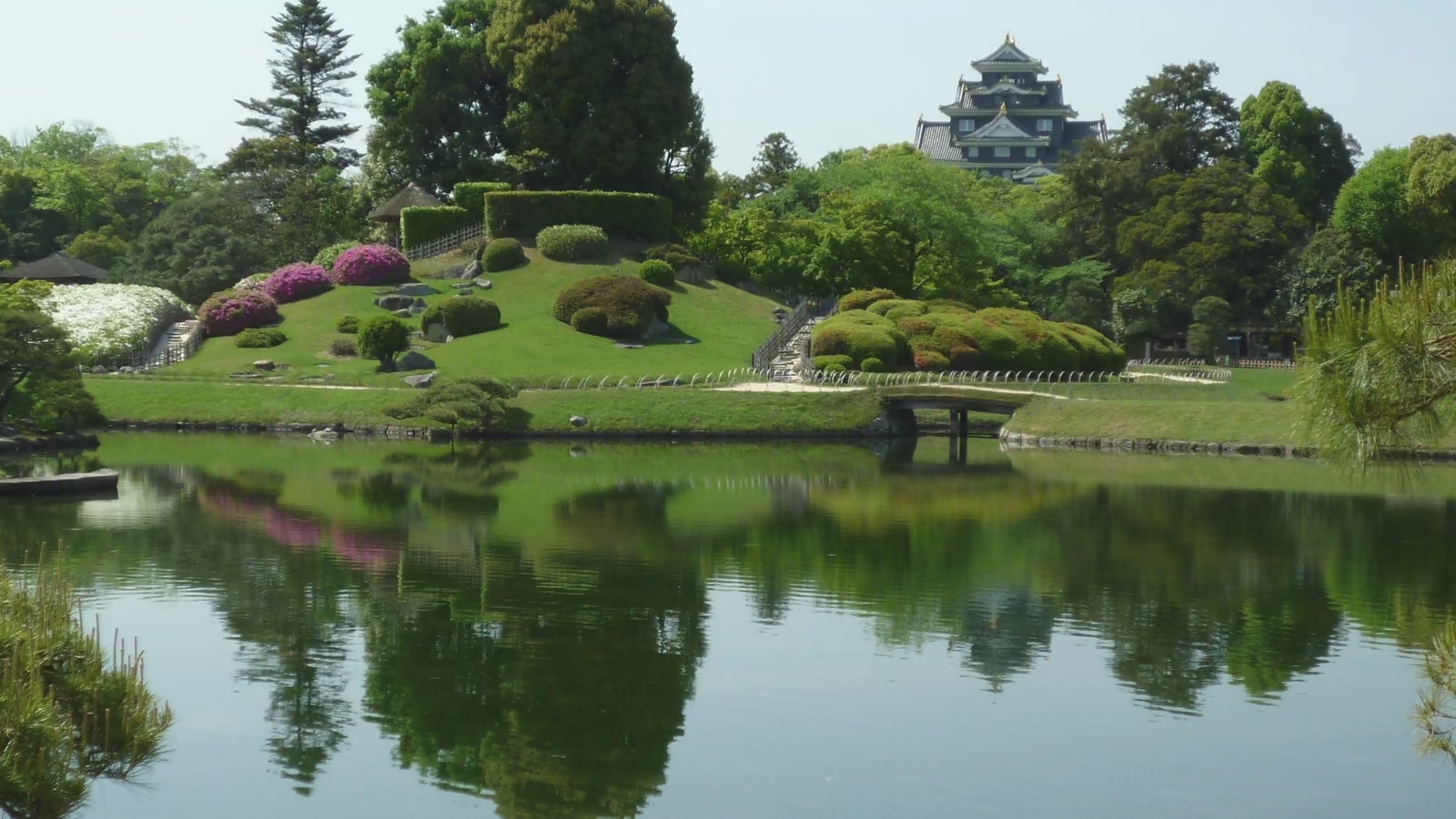 OkayamaOKJ
i
Photo: Fjkelfeimvvn, Wikimedia Commons (CC BY 3.0)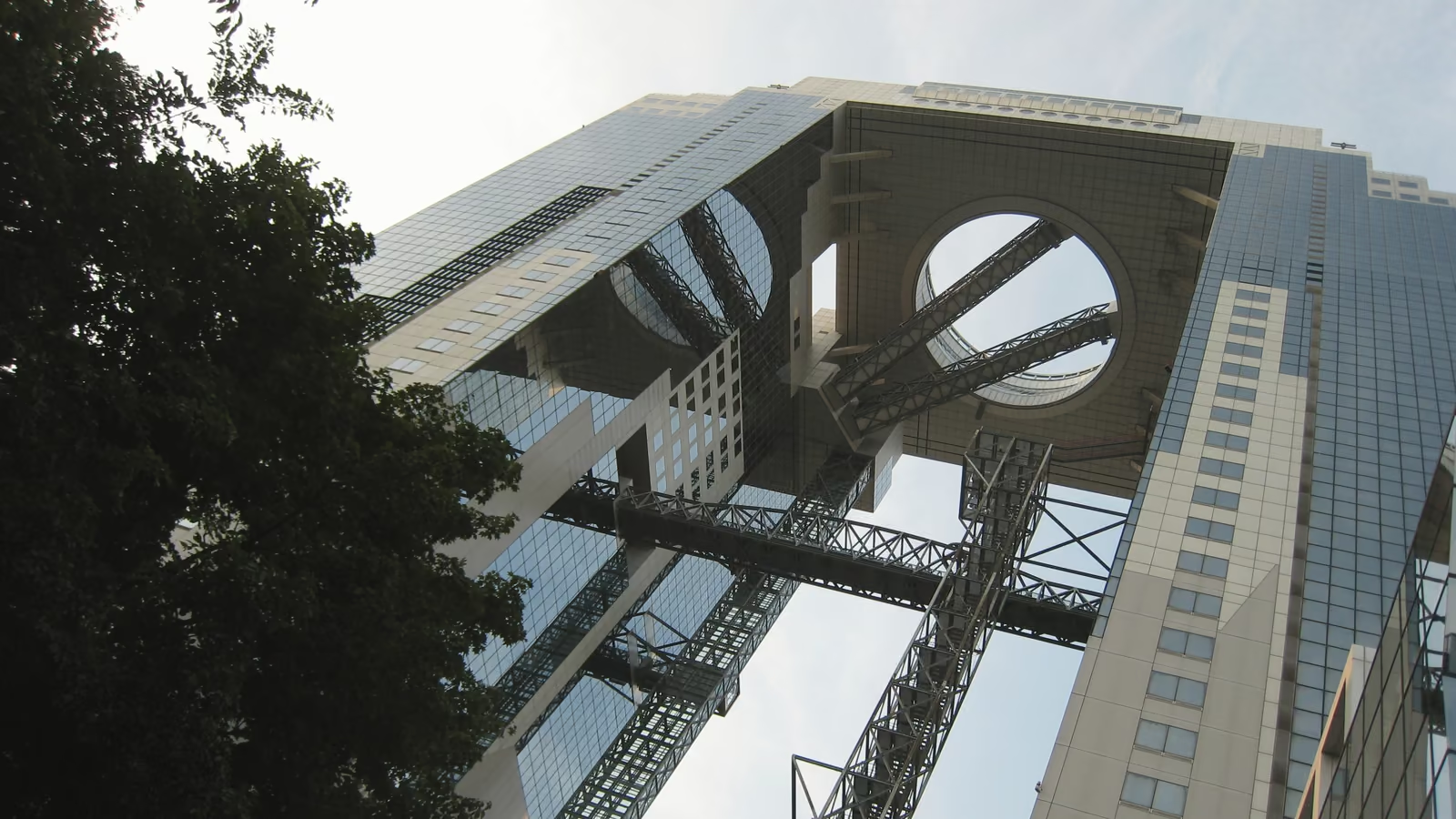 OsakaKIX
i
Photo: Syced, Wikimedia Commons (CC0)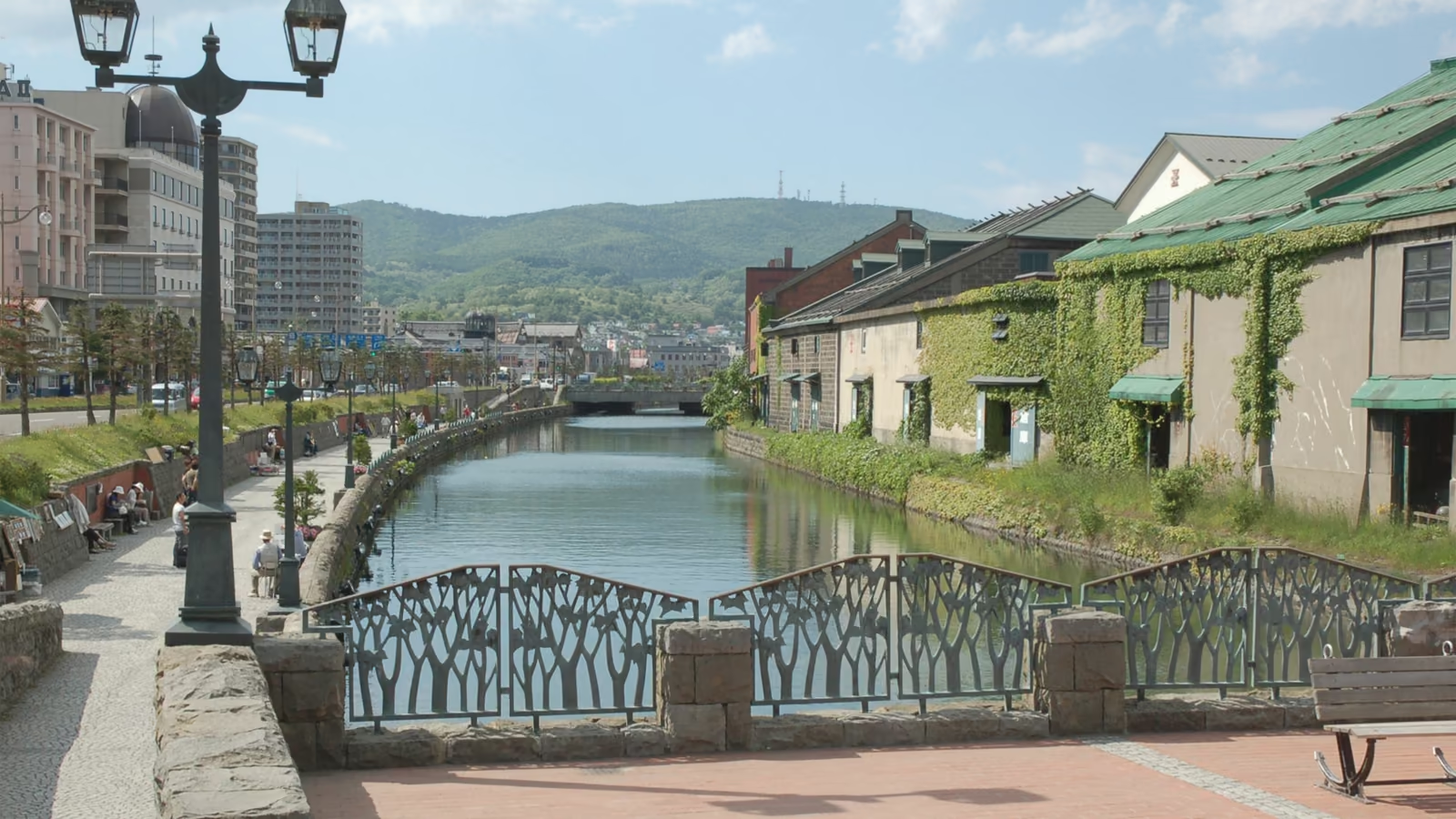 OtaruCTS
i
Photo: Komatta, Wikimedia Commons (Public domain)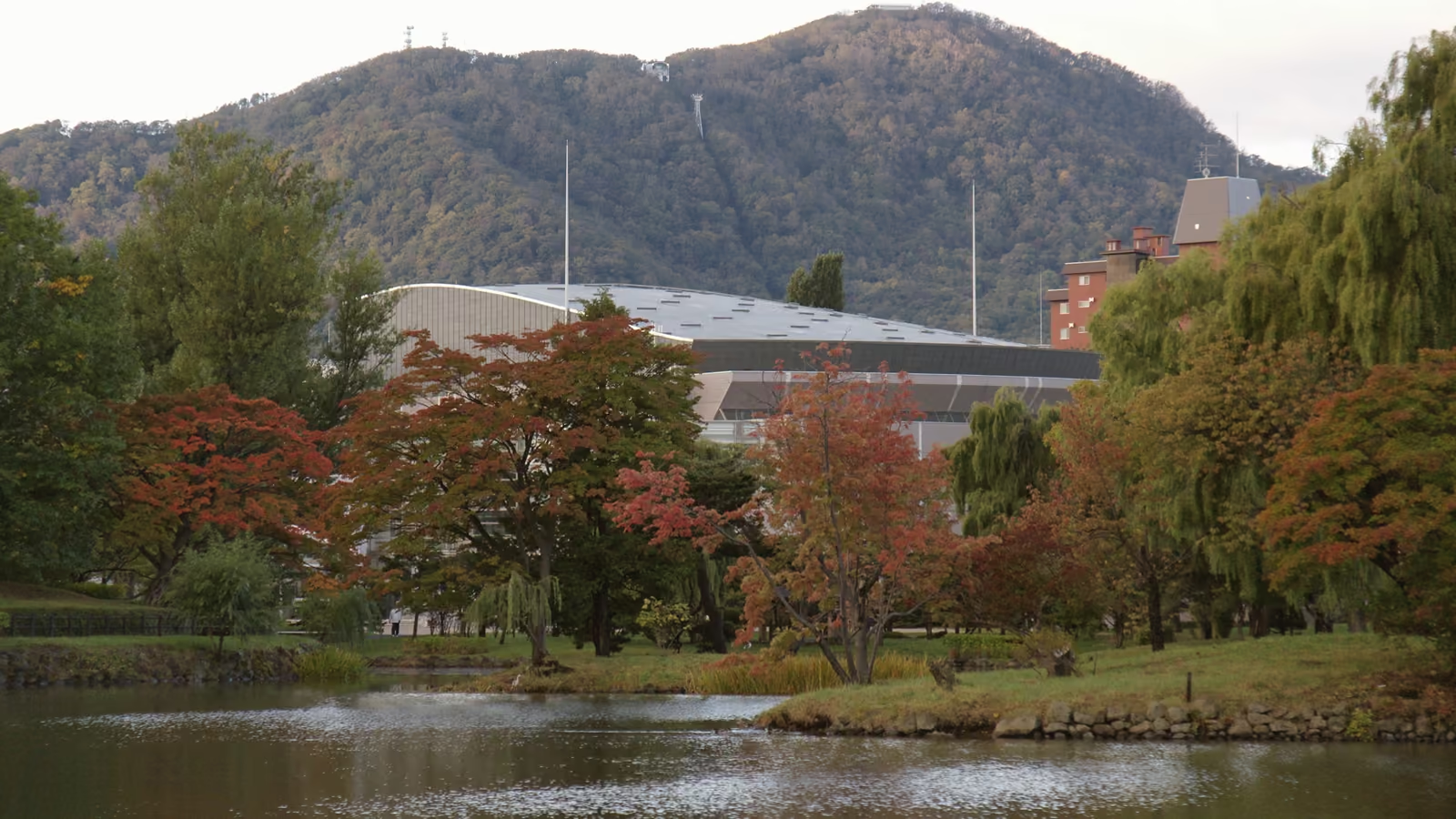 SapporoCTS
i
Photo: 663highland, Wikimedia Commons (CC BY 2.5)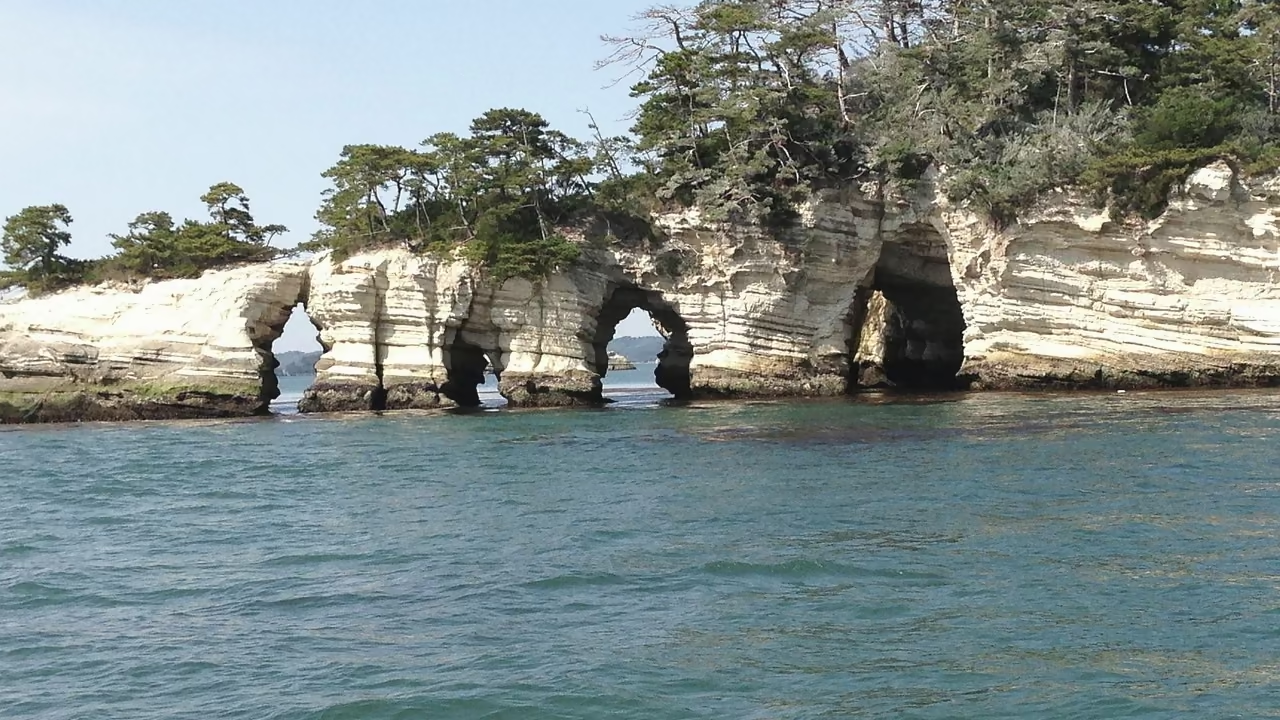 SendaiSDJ
i
Photo: shohji on Pixabay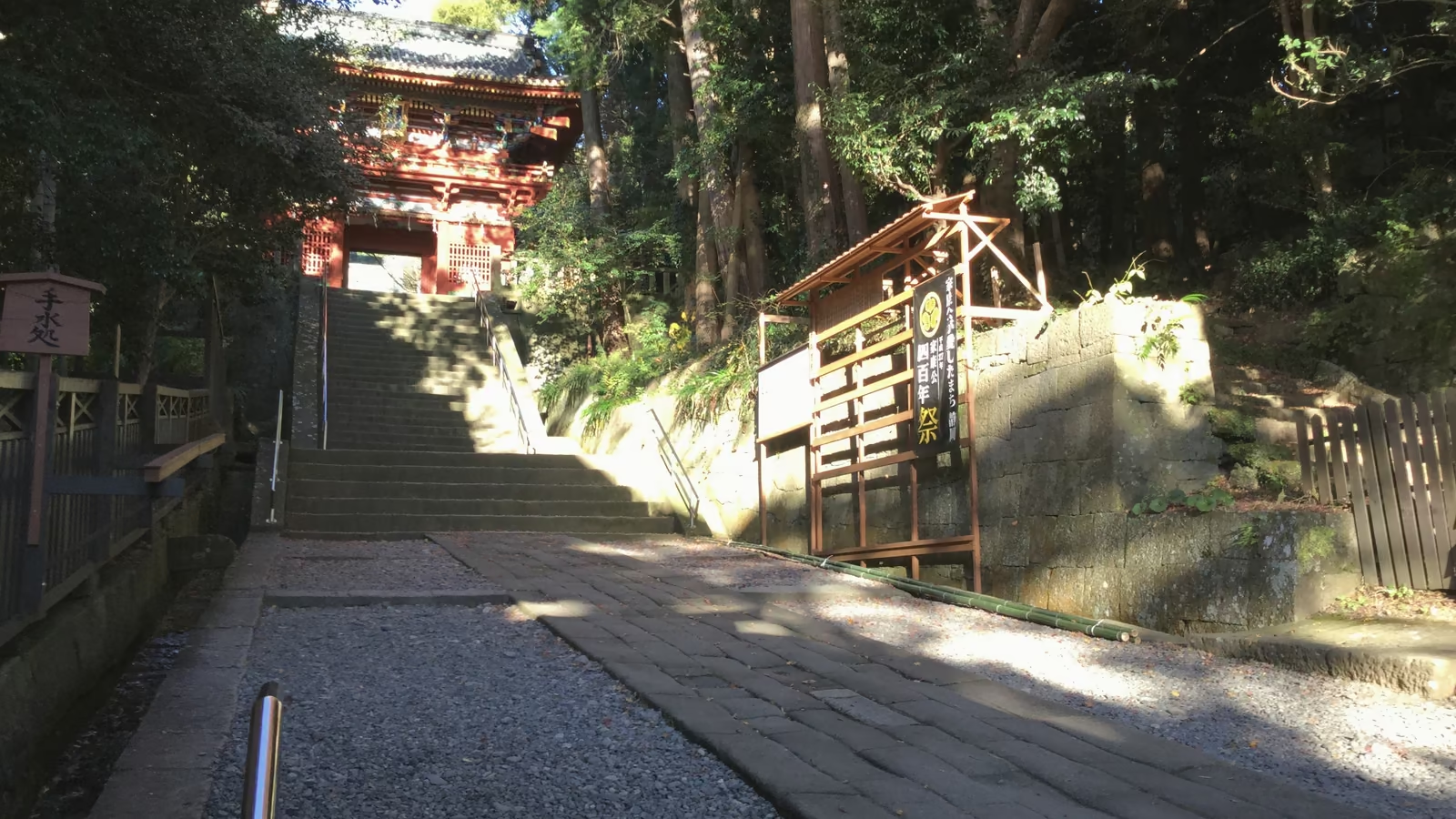 ShizuokaFSZ
i
Photo: inunami, Wikimedia Commons (CC BY 2.0)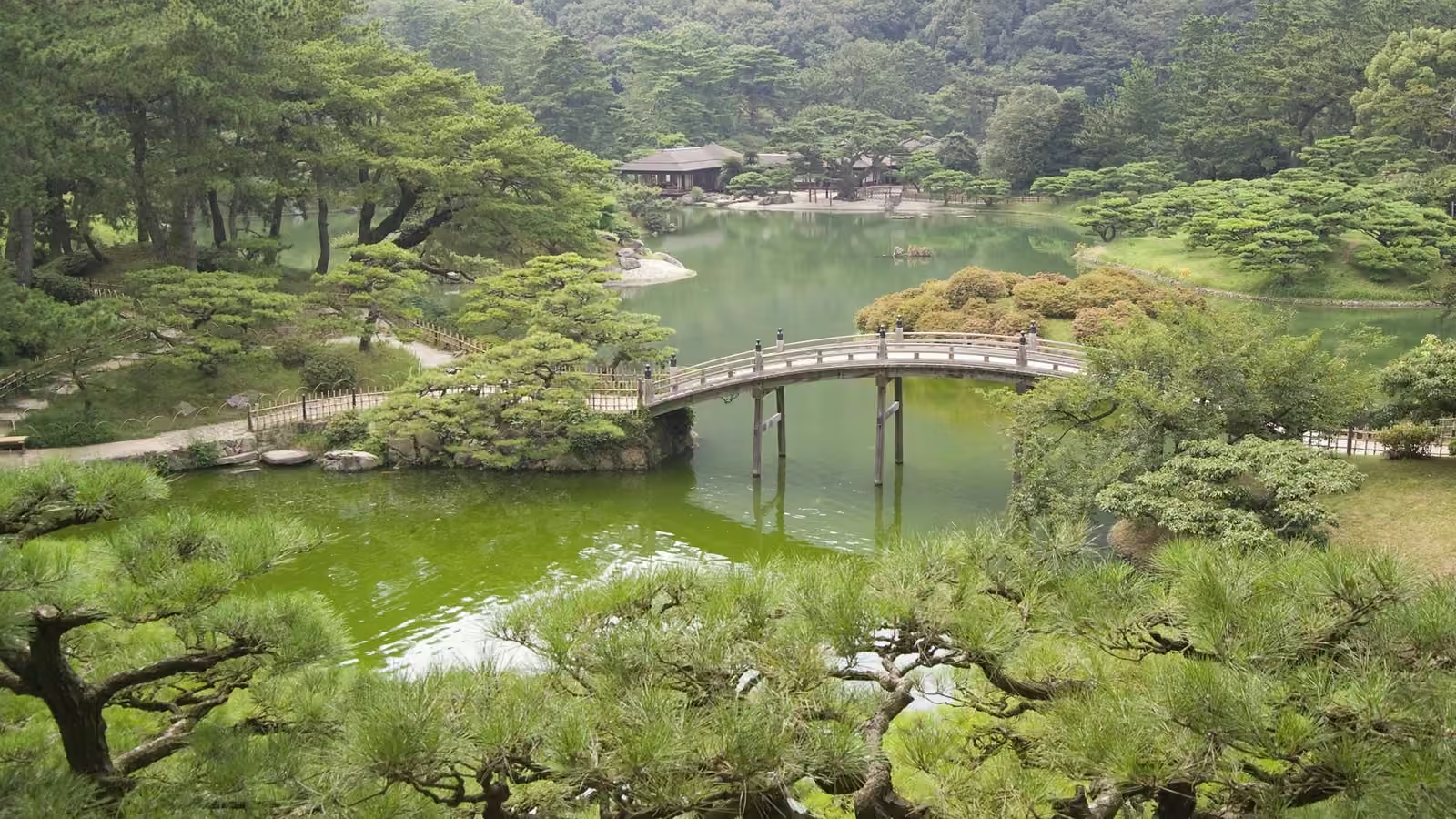 TakamatsuTAK
i
Photo: Fg2, Wikimedia Commons (Public domain)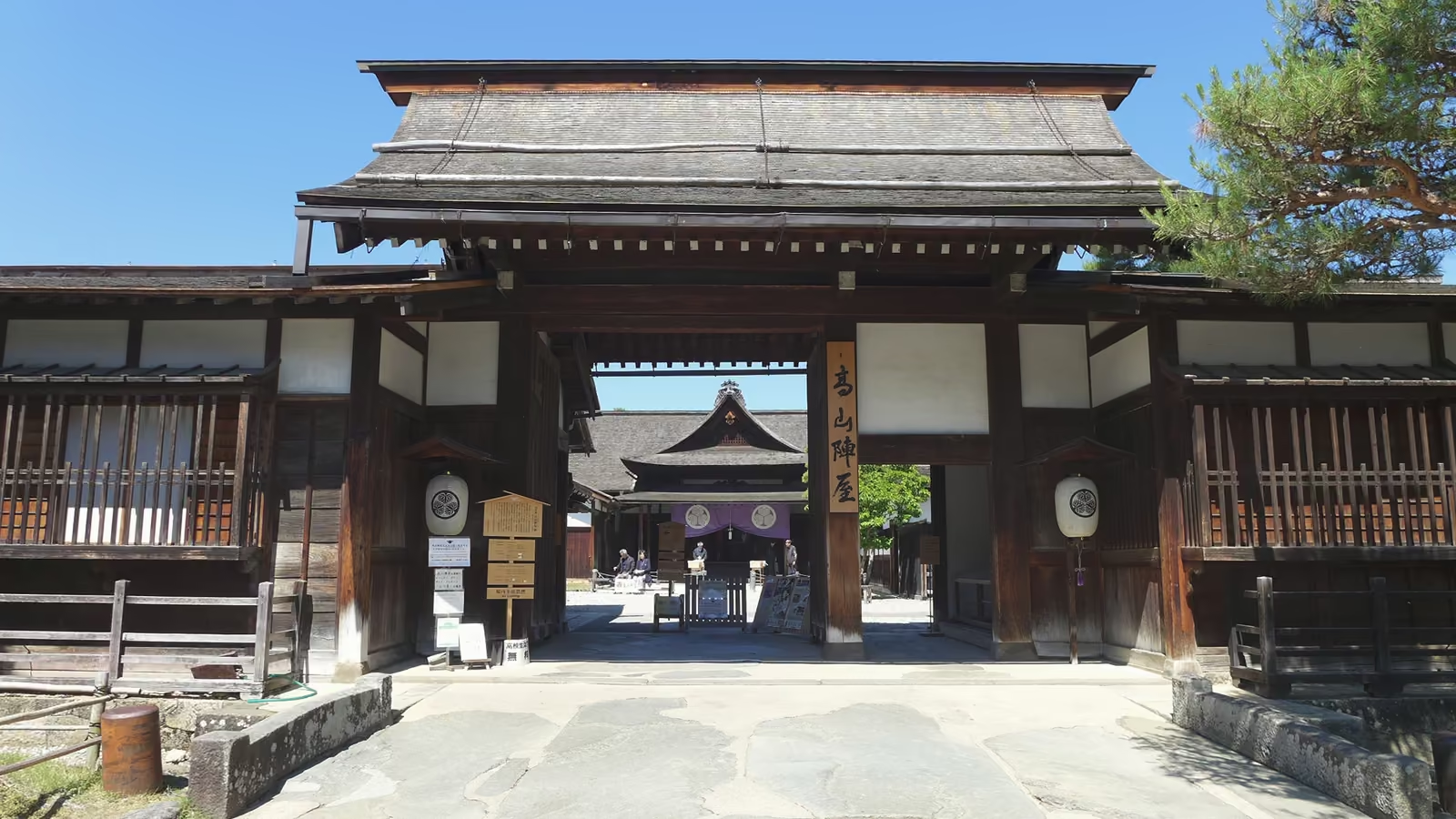 TakayamaNGO
i
Photo: Wpcpey, Wikimedia Commons (CC BY 4.0)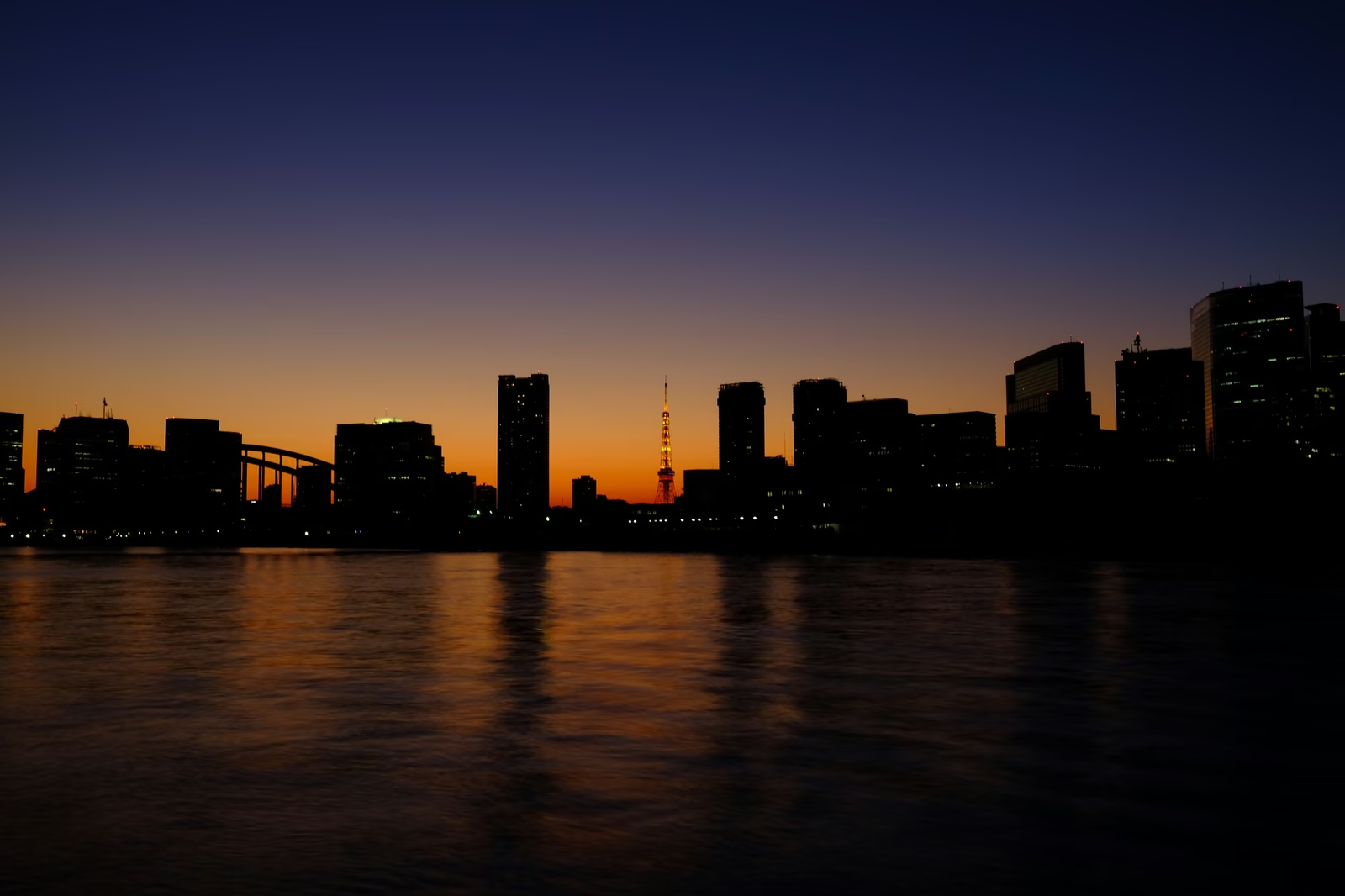 TokyoNRT · HND
i
Photo: Foooomio, Wikimedia Commons (CC BY 3.0)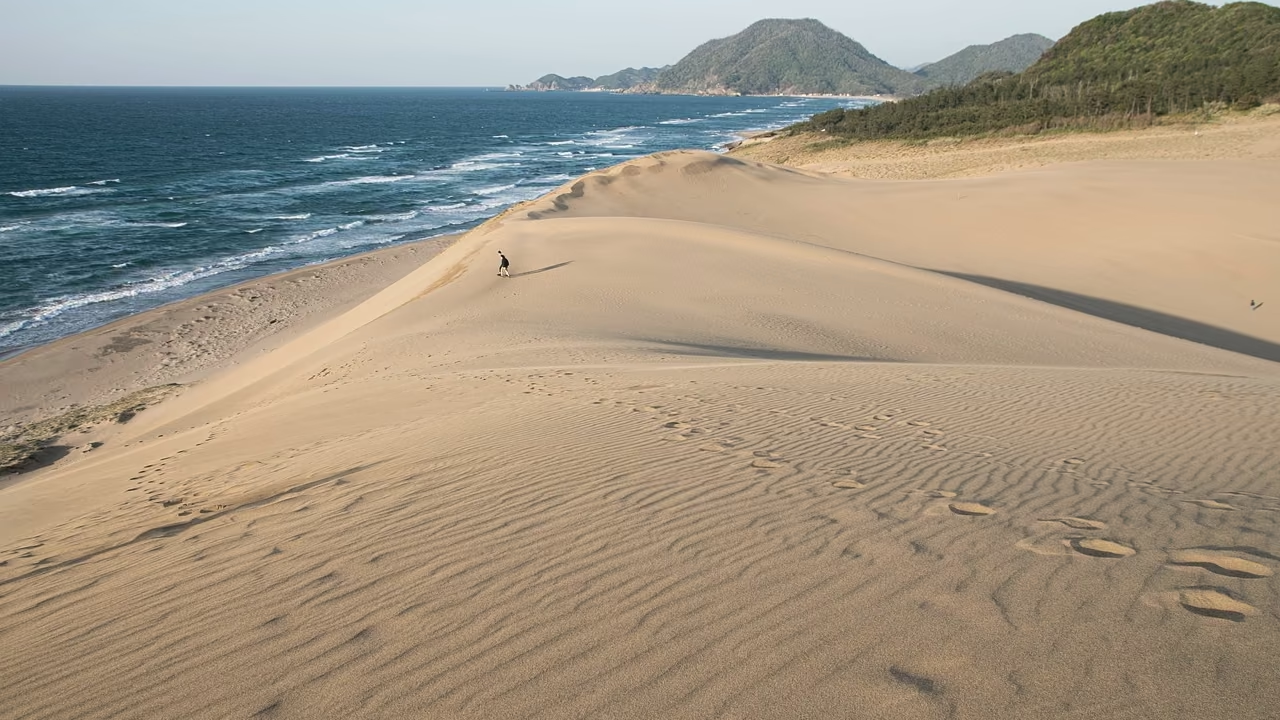 TottoriTTJ
i
Photo: jackmac34 on Pixabay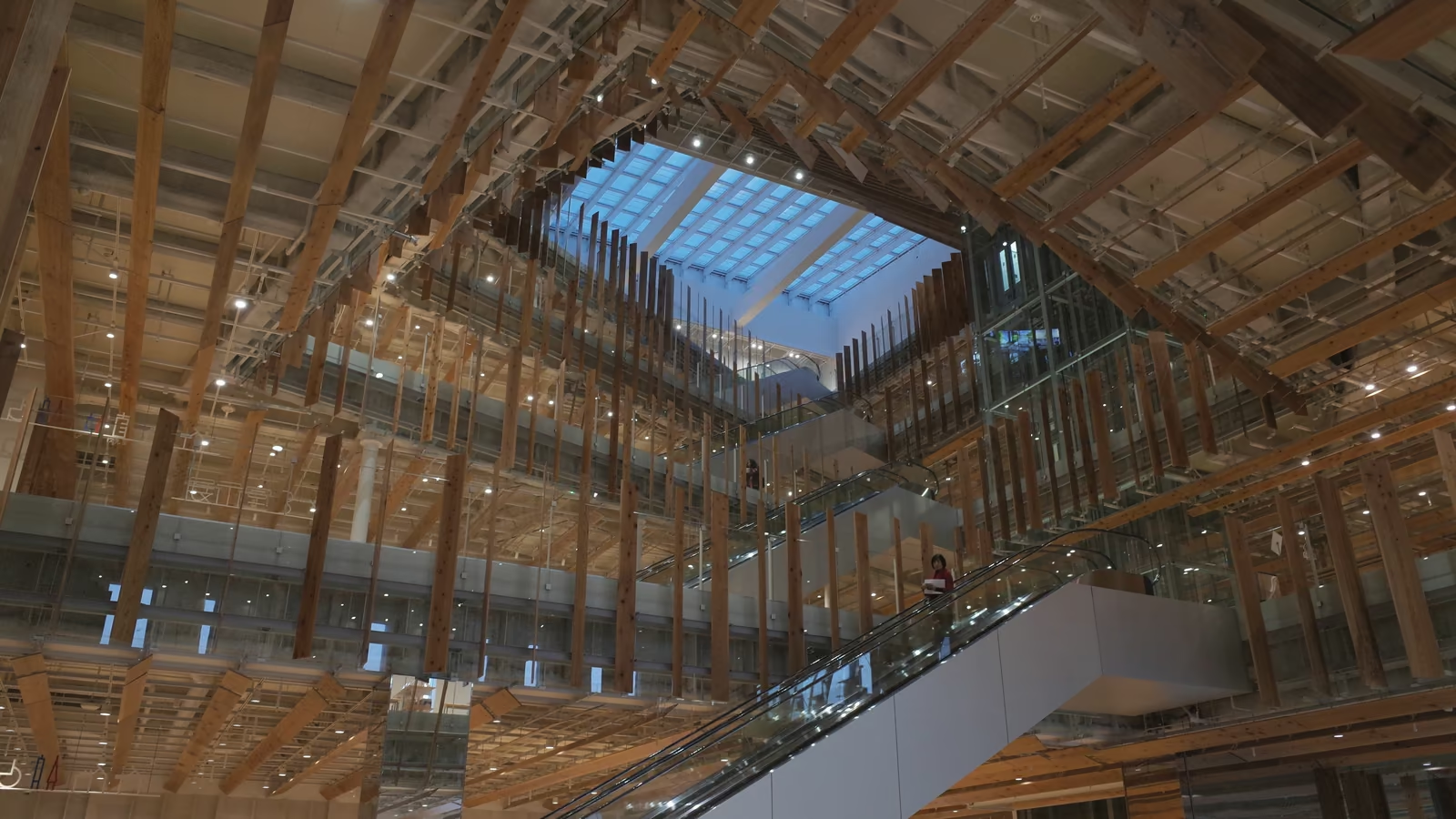 ToyamaTOY
i
Photo: 極地狐, Wikimedia Commons (CC BY 2.0)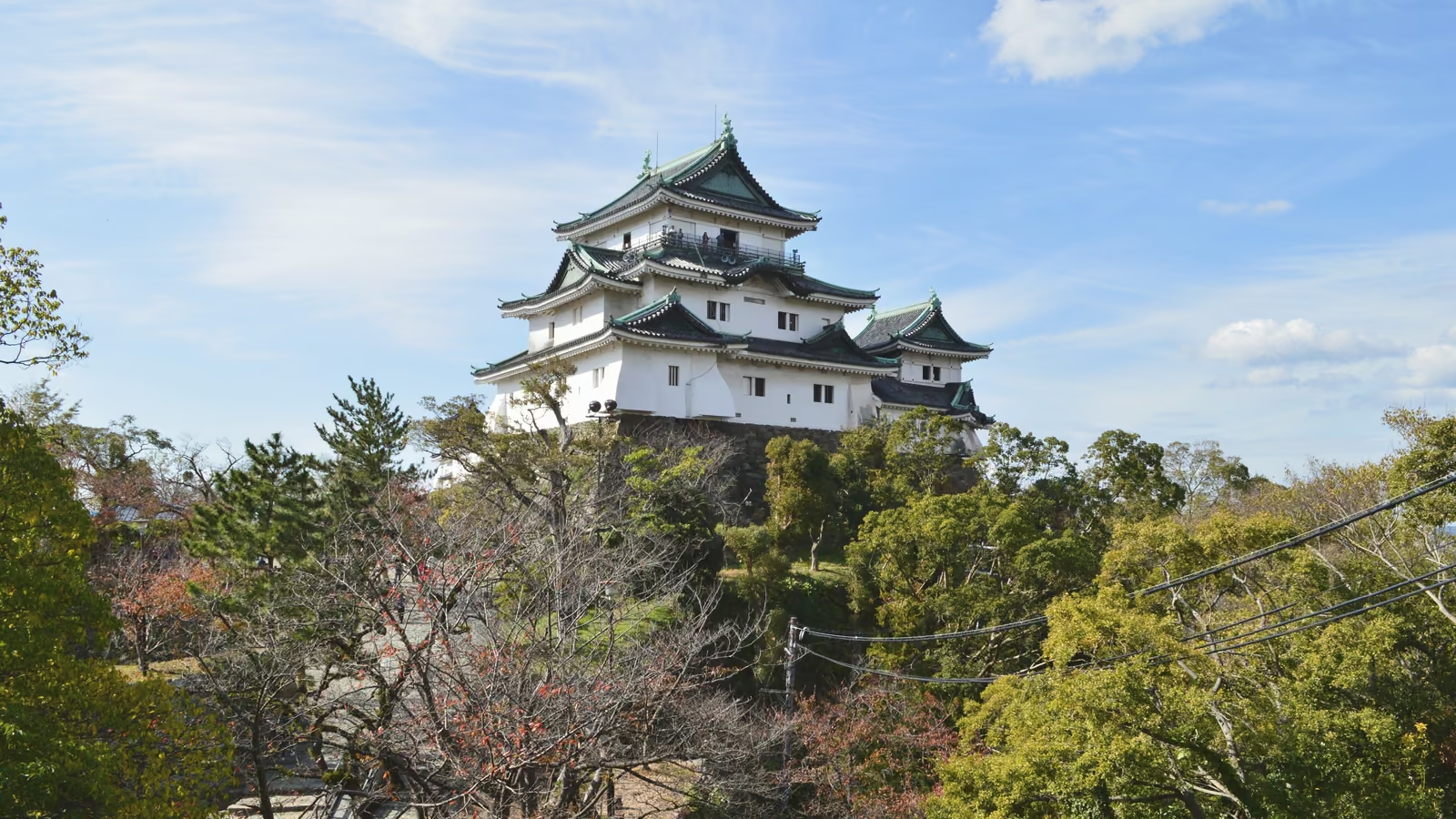 WakayamaKIX
i
Photo: Saigen Jiro, Wikimedia Commons (CC0)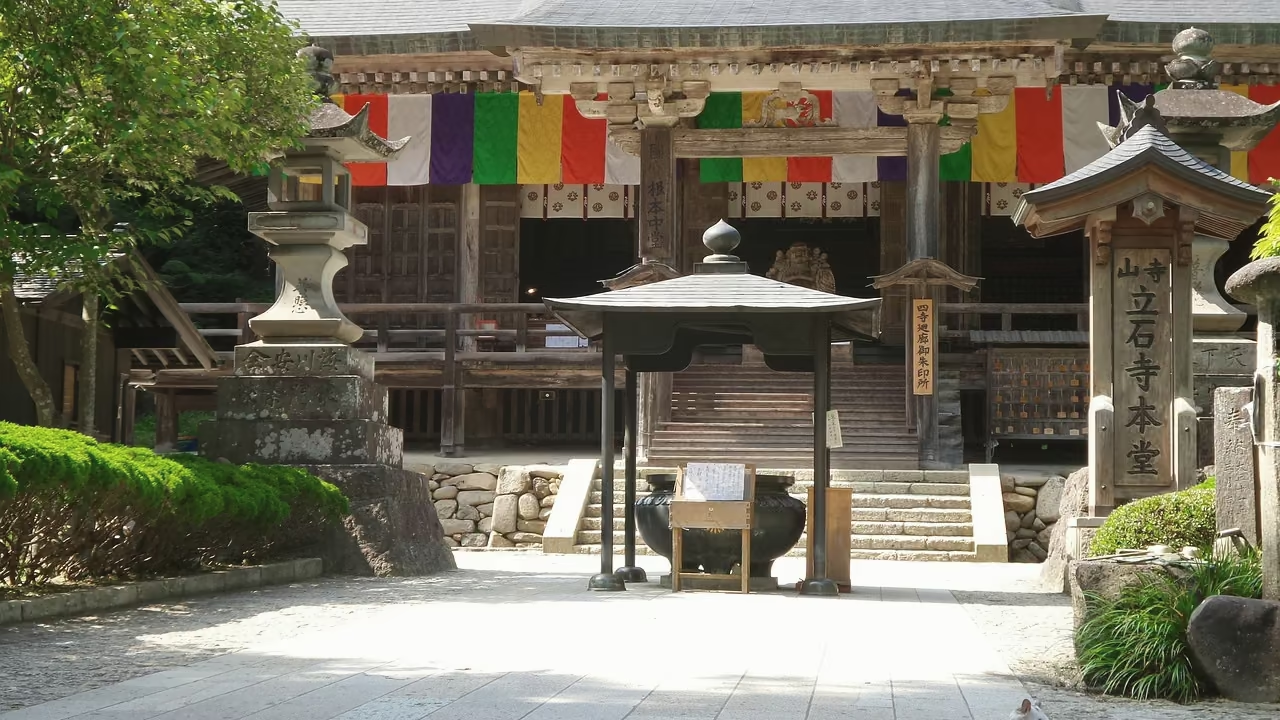 YamagataGAJ
i
Photo: FranckinJapan on Pixabay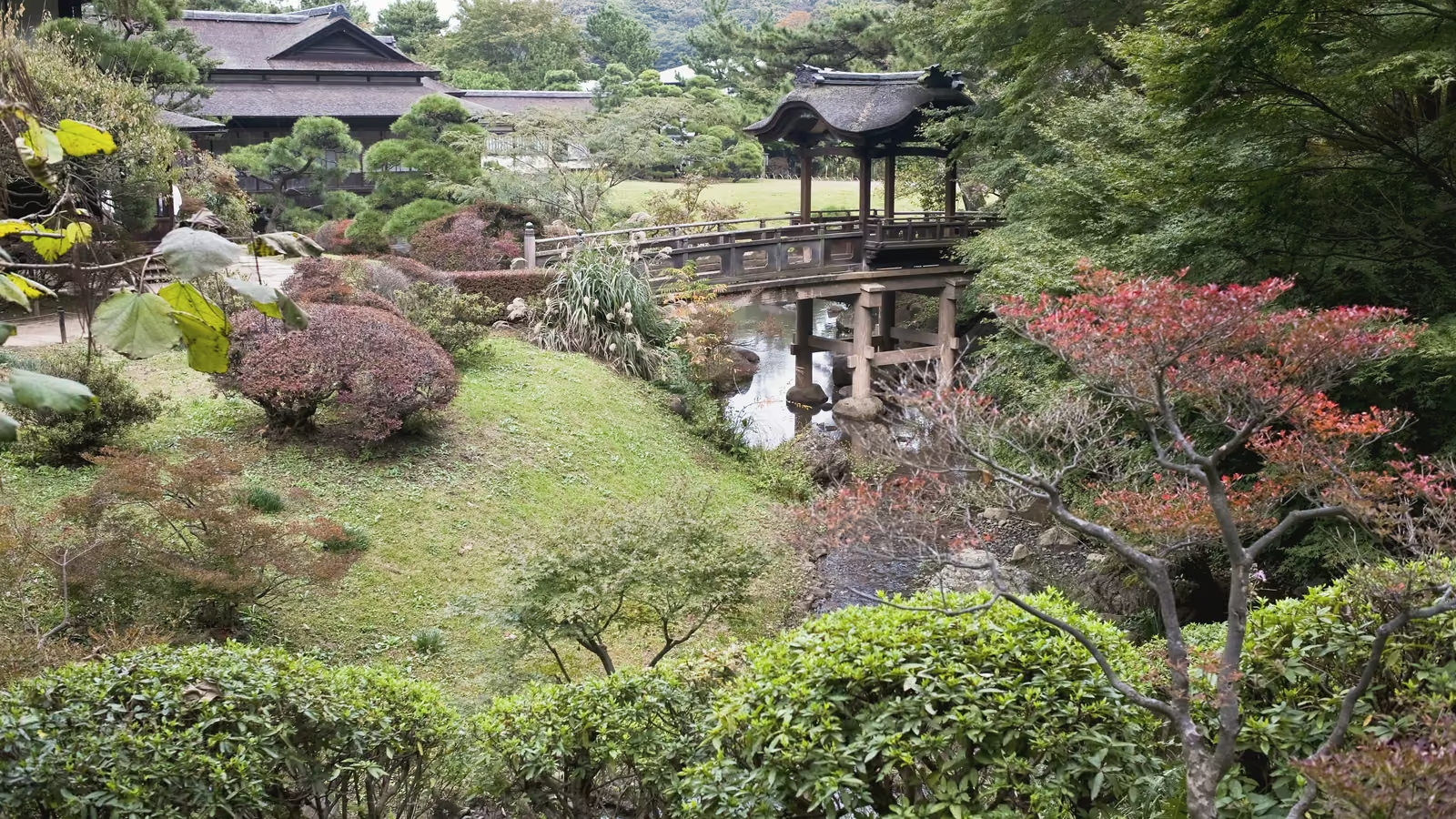 YokohamaHND
i
Photo: Urashimataro, Wikimedia Commons (Public domain)


Highlights
Tokyo
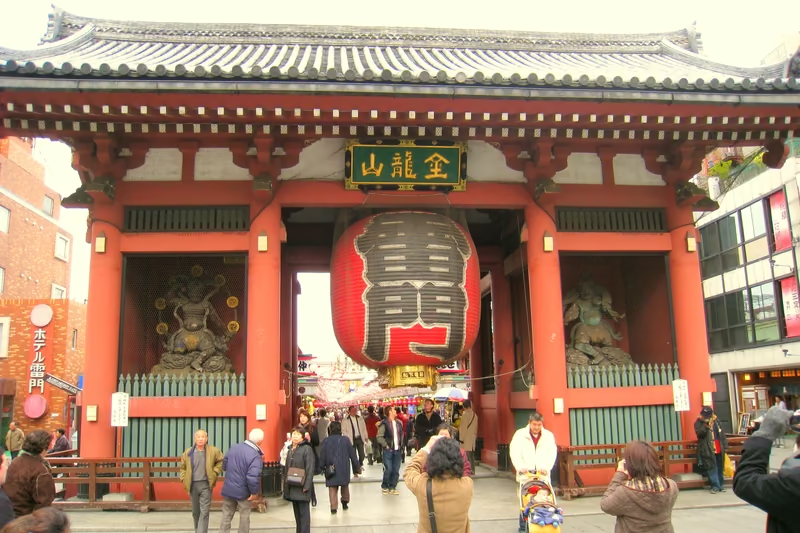
Photo: Daderot, Wikimedia Commons (Public domain) Senso-ji, Asakusa, Tokyo
Tokyo's oldest temple, with the Kaminarimon gate and Nakamise approach.
No admission charge is listed by the temple.[60]Main hall 06:00 to 17:00; opens 06:30 from October to March.[60]None.[60]Official site
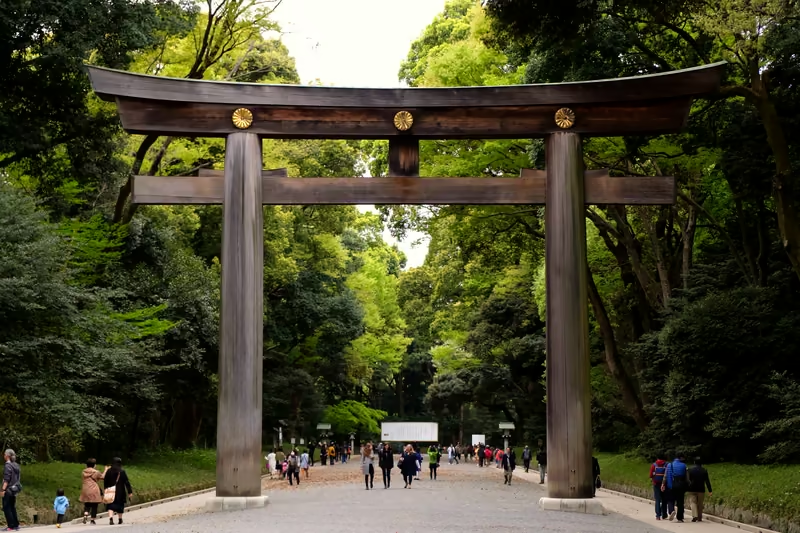
Photo: jessedyck, Wikimedia Commons (CC0 1.0) Meiji Jingu, Harajuku, Tokyo
Shinto shrine in a forested park next to Harajuku and Yoyogi.
Free.[61]Sunrise to sunset: 06:40 to 16:20 in January, 05:00 to 18:30 in June, 06:40 to 16:00 in December; facilities inside mostly 09:00 to 16:00.[61]None.[61]Official site
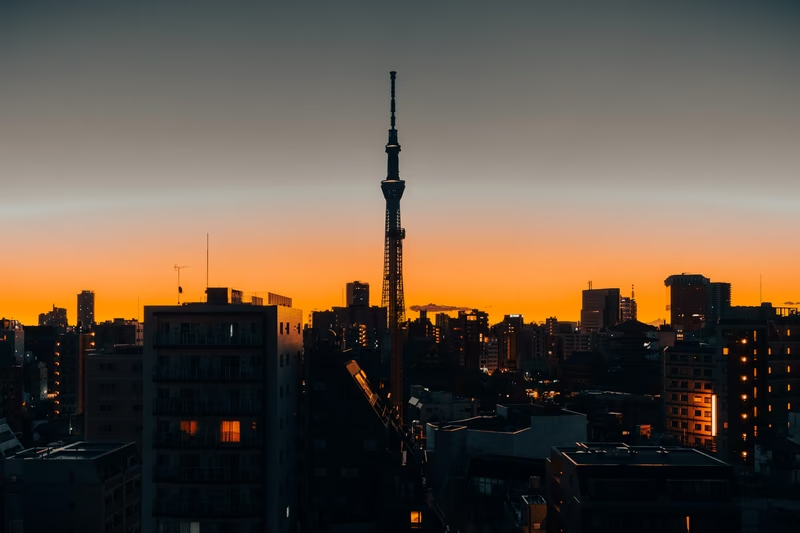
Photo: David Kernan, Wikimedia Commons (CC BY 4.0) Tokyo Skytree
634 m broadcast tower with observation decks at 350 m and 450 m.
Tembo Deck from 1,800 yen (about USD 11) (adult), deck plus Tembo Galleria from 3,000 yen (about USD 19); a 500 yen (about USD 3) service fee per ticket applies at the counter and machines on the day.[46]Online purchase recommended and avoids the counter fee; the Enjoy Pack is advance reservation only.[46]Official site
teamLab Planets, Toyosu, Tokyo
Walk-through digital art museum, partly barefoot through water.
Entrance Pass 3,800 yen (about USD 24) (adults 18 and over).[62]Entry is by booked date and time.[62]Timed tickets sold in advance online, at Lawson Ticket and Seven-Eleven Ticket; the QR ticket is emailed two days before.[62]Official site
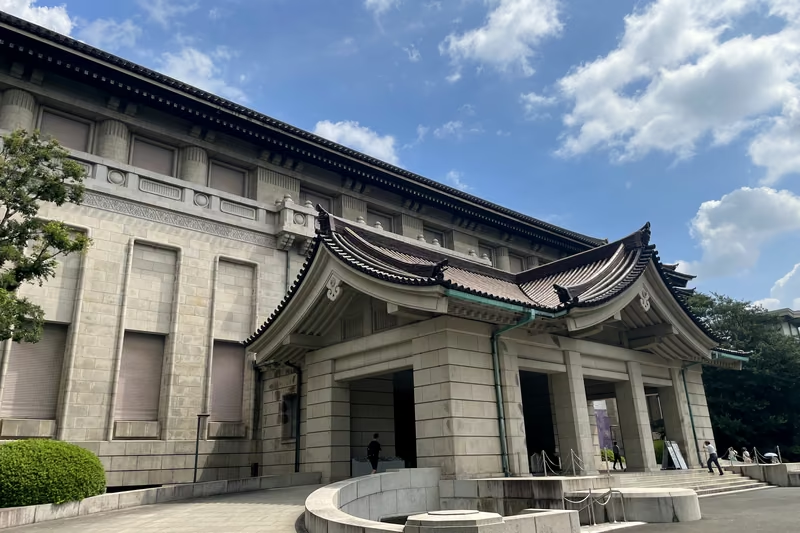
Photo: Eugene Ormandy, Wikimedia Commons (CC0 1.0) Tokyo National Museum, Ueno
Japan's largest collection of Japanese art and archaeology.
1,000 yen (about USD 6.5) regular exhibitions (adult); under 18 and over 70 free.[45]09:30 to 17:00; to 20:00 on Fridays, Saturdays and the Sundays before a Monday holiday; last entry 30 minutes before. Closed Mondays (open on holiday Mondays, closed the next day) and 26 to 31 December 2026.[45]Not required; online tickets avoid counter queues of 30 minutes or more at busy times.[45]Official site
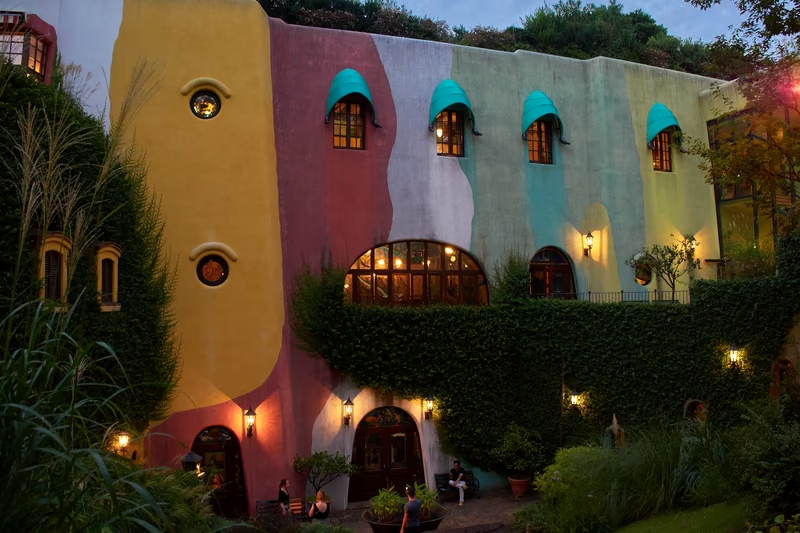
Photo: lumoplank, Wikimedia Commons (CC0 1.0) Ghibli Museum, Mitaka
Studio Ghibli's museum, 20 minutes from Shinjuku on the Chuo line plus a 15-minute walk or community bus.
1,000 yen (about USD 6.5) (adults 19 and over); community bus from Mitaka station 230 yen (about USD 1.5).[63][64]10:00 to 18:00, by booked entry time.[64]Advance reservation only; nothing is sold at the museum. Lawson Ticket releases the next month's tickets at 10:00 JST on the 10th of each month.[63]Official site


Kyoto
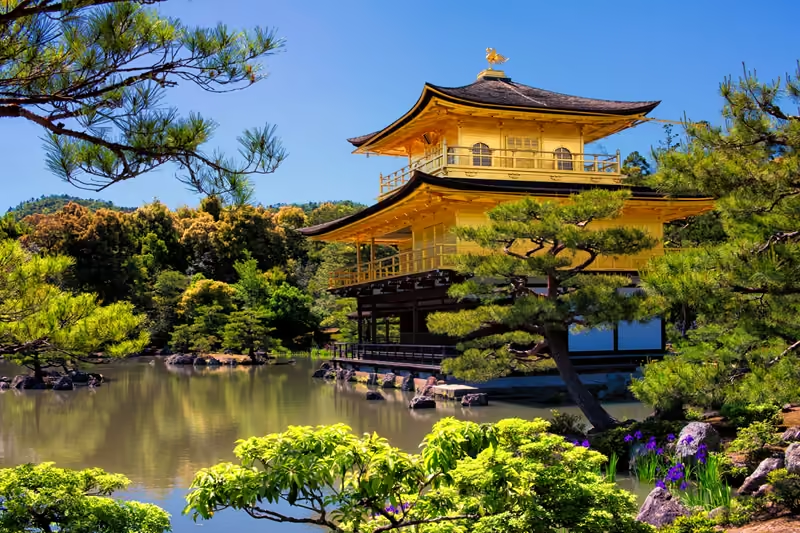
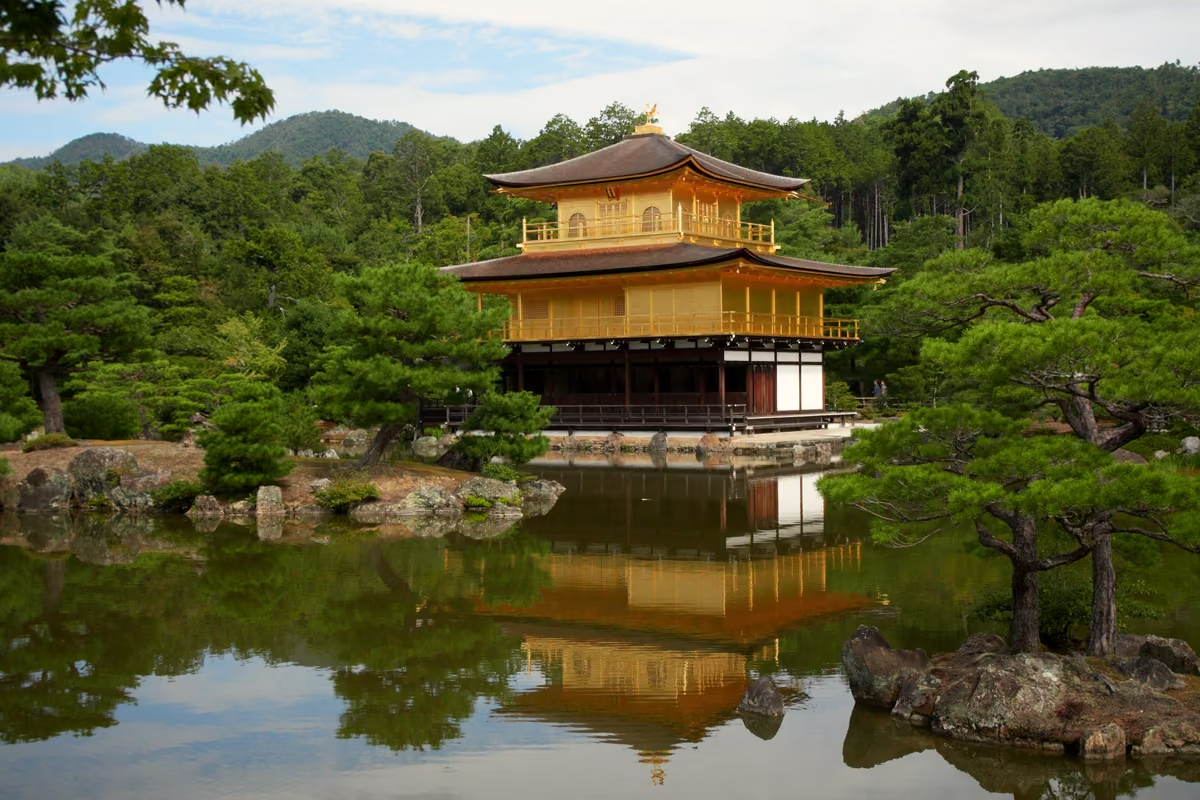
Photo: Ray in Manila, Wikimedia Commons (CC BY 2.0) Kinkaku-ji (Golden Pavilion), Kyoto
Gold-leaf pavilion over a pond, part of Shokoku-ji.
500 yen (about USD 3) (adult).[65]09:00 to 17:00, open all year.[65]None. City buses 12, 59, 205 and M1 stop at Kinkakuji-michi.[65]Official site
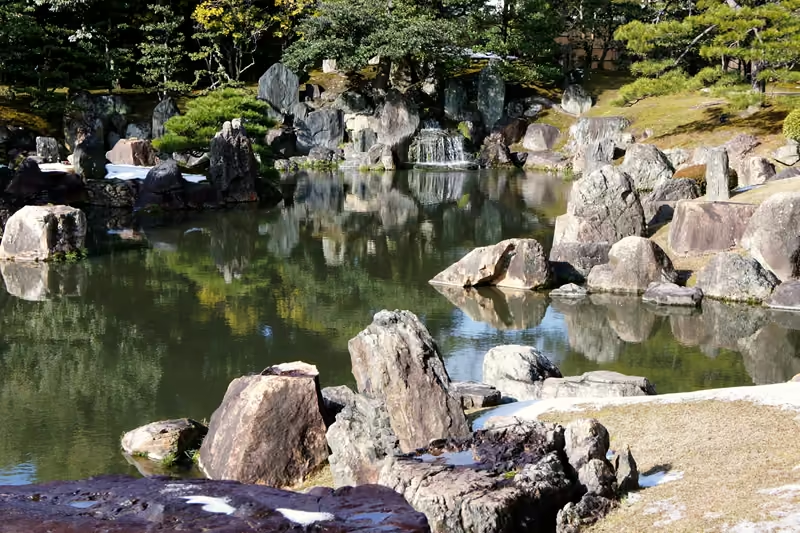
Photo: 663highland, Wikimedia Commons (CC BY 2.5) Nijo Castle, Kyoto
Shogunate castle with the Ninomaru Palace and its painted screens.
800 yen (about USD 5) castle entry; 1,300 yen (about USD 8) with the Ninomaru Palace (adult).[66]08:45 to 16:00 entry, grounds close 17:00. Closed 29 to 31 December; Ninomaru Palace closed on Tuesdays in January, July, August and December.[58]Not required; web tickets are sold through the castle's online channel.[58]Official site


Himeji
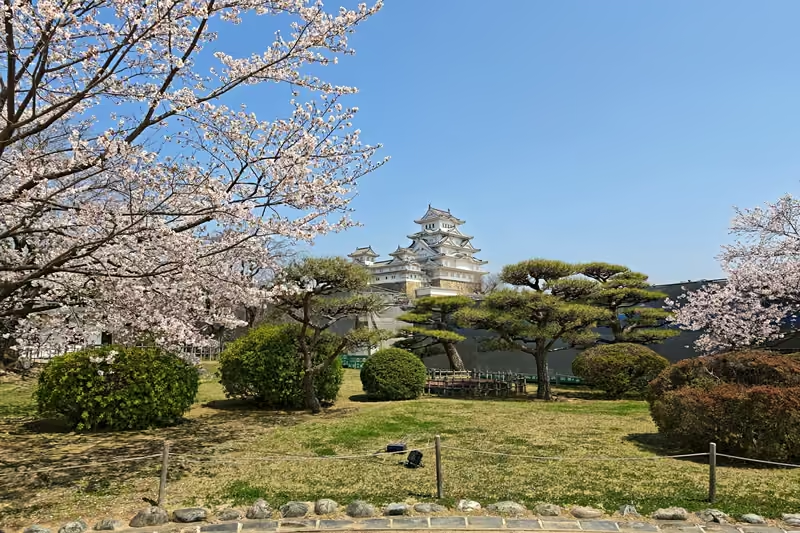
Photo: Loggieloggie, Wikimedia Commons (CC0 1.0) Himeji Castle
Original (never rebuilt) castle keep and corridors, a World Heritage site, 20 minutes on foot from Himeji station.
2,500 yen (about USD 16) (adults 18 and over) since 1 March 2026, up from 1,000 yen (about USD 6.5); Himeji residents 1,000 yen (about USD 6.5); under 18 free.[47]09:00 to 17:00, last entry 16:00. Closed 29 and 30 December.[57]Not required; digital tickets sold online, and the city posts a congestion status page.[57]Official site

Nara
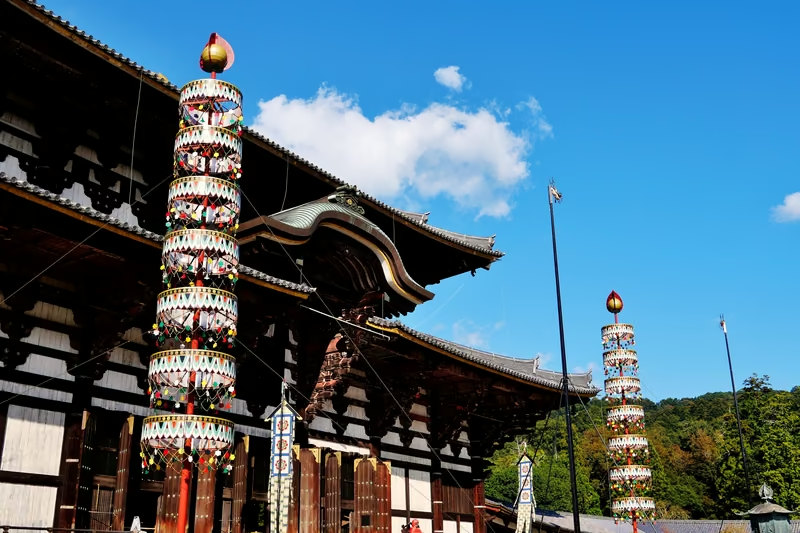
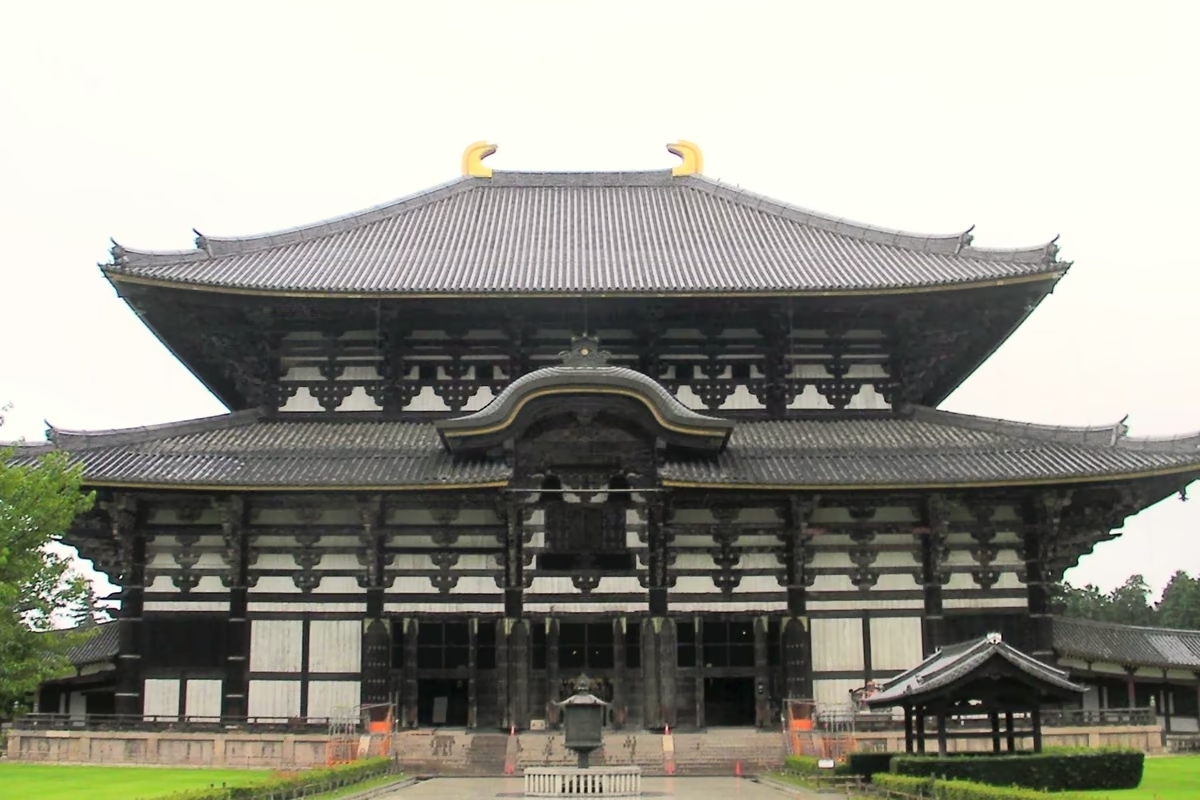
Photo: Zairon, Wikimedia Commons (CC BY 4.0) Todai-ji Great Buddha Hall, Nara
Wooden hall housing the 15 m bronze Buddha, inside Nara Park.
800 yen (about USD 5) (adult); 1,200 yen (about USD 7.5) with the Todai-ji Museum.[67]07:30 to 17:30 April to October; 08:00 to 17:00 November to March.[67]None.[67]Official site

Hiroshima
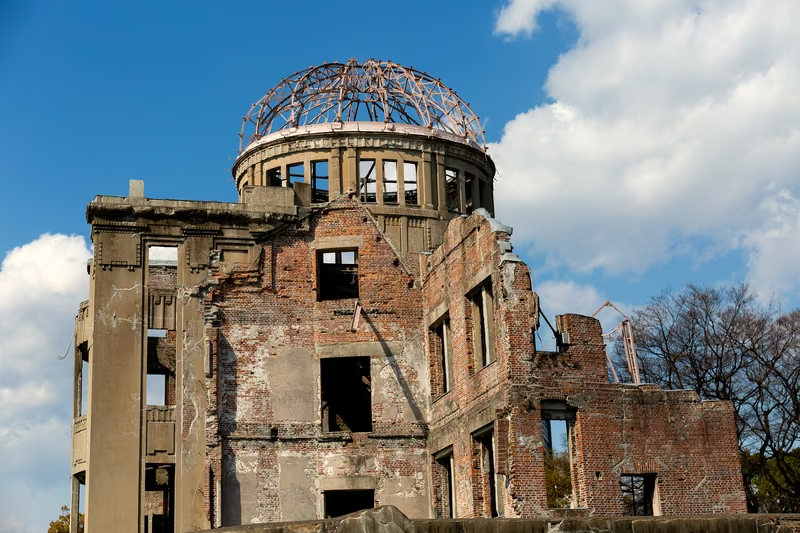
Photo: Balon Greyjoy, Wikimedia Commons (CC0 1.0) Hiroshima Peace Memorial Museum
Museum of the 1945 atomic bombing, in the Peace Memorial Park.
200 yen (about USD 1.5) (adult); junior high and younger free.[56]07:30 to 19:00 March to November (to 20:00 in August), 07:30 to 18:00 December to February; last entry 30 minutes before. Closed 30 and 31 December and mid-February.[56]Online reservation required for the first and last hour slots of the permanent exhibition; web tickets can sell out.[56]Official site
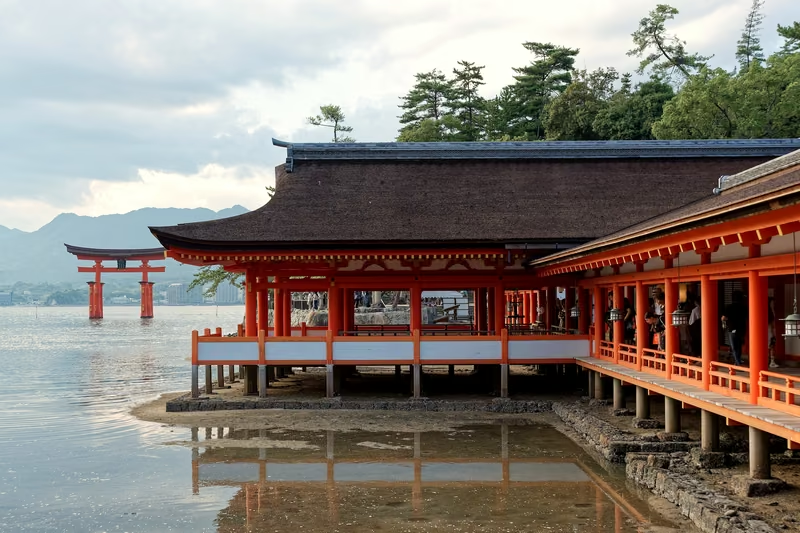
Photo: Jakub Hałun, Wikimedia Commons (CC BY 4.0) Itsukushima Shrine, Miyajima
Shrine built over the water with the great torii in the bay, a ferry ride from Hiroshima.
300 yen (about USD 2) shrine; 500 yen (about USD 3) combined with the Treasure Hall (adult), sold at the shrine entrance.[1]06:30 to 18:00 from 1 March to 14 October; 06:30 to 17:30 from 15 October to 30 November and January to February; 06:30 to 17:00 in December.[1]None; pay on arrival.[1]Official site


Tours across Japan
Before you go
Checklist
- Visa or travel authorisation for your passport
- Money: cards, cash and ATMs
- A SIM or eSIM for data on arrival
- Government travel advisories
| Passport | Rule |
|---|---|
| United Kingdom | British citizens get permission to stay for tourism or business for up to 90 days on arrival, with no advance application. "You can get a visa on arrival in Japan for tourism or business for up to 90 days." A further 90 days can be applied for at an immigration office in Japan. The passport must be valid for the whole stay and have a blank page for the stamp.[8] |
| Canada | Canadians need no visa for tourist stays of up to 90 days. A passport valid for the whole planned stay is enough for Japan, though airlines may apply stricter rules. Work, business and study need a visa, and you cannot switch to one after entering as a tourist. Overstaying is a criminal offence.[6] |
Japan's Ministry of Foreign Affairs publishes the list of countries and regions whose passport holders need no visa for tourism stays of 90 days or less. Check it for your passport before you travel.[9][10]
Visit Japan Web, run by the Digital Agency, lets you complete immigration and customs steps online before landing and is also used for tax-free procedures.[11][9]
Japan Customs recommends declaring electronically through Visit Japan Web; electronic declaration gates operate at seven international airports. Allowances per adult: three bottles of alcohol (about 760 ml each), 200 cigarettes, 2 ounces of perfume, and other goods up to 200,000 yen (about USD 1,250). Cash or securities over 1,000,000 yen (about USD 6,250) must be declared.[12]
Carry your passport at all times. Police can arrest you if you cannot prove your visa or residence status.[13]
Some common medicines are banned, including pseudoephedrine, codeine, amphetamines and Adderall. You may bring a one-month supply of prescription medicine or two months of non-prescription medicine with no narcotics, with a doctor's note; larger amounts or narcotics need an import certificate applied for months ahead.[6]
Entry rules for every destination, by passport Check one passport and destination Passport planner for a trip with several stops
Money
| Item | What to know |
|---|---|
| Currency | The yen. A new banknote series was first issued on 3 July 2024 in 10,000, 5,000 and 1,000 yen (about USD 6.5) denominations; the 2,000 yen (about USD 13) note and the previous series are still listed as valid by the Bank of Japan.[14][2] |
| Cards | International credit, debit and prepaid cards are generally accepted, but some shops show no card logos, so ask before paying. Cards work for Narita Express and shinkansen fares and often do not work for short train or subway trips.[15] |
| Cash | Japan is still largely cash-based; cards are accepted at most major hotels and restaurants. Many ATMs do not accept foreign debit cards.[6] |
| ATMs | JNTO names Japan Post Bank and Seven Bank ATMs for withdrawals on foreign cards. Keep the issuer's lost-card number separate from the card.[15] |
| Tipping | Tipping is not expected at restaurants, cafes, bars, taxis or hotels. A private guide or interpreter used to overseas custom may be given a gratuity discreetly in an envelope.[16] |
Carrying more than one currency on a trip is simpler with a multi-currency card. Wise
SIM and data
- SoftBank sells a data-only Prepaid SIM for Travel (physical SIM, no eSIM listed) at SoftBank shops, electronics stores and its airport rental counters; the retailer sets the price. You must be 18 or over, upload a passport photo to register, and use a SIM-lock-free phone with a camera. Its Free Wi-Fi Passport gives visitors with a foreign phone two weeks of hotspot access.[21][22]
- NTT Docomo's English pages list only inbound roaming (a roaming-partner list) and no prepaid SIM or eSIM for short-term visitors.[23]
- Rakuten Mobile's English site offers eSIM and overseas data to its own subscribers; no visitor prepaid product is listed.[24]
Narita lists SIM card sales, Wi-Fi rental and loan internet devices in Terminals 1, 2 and 3. JNTO adds that major airports sell data SIMs in several sizes, electronics stores Bic Camera and Yodobashi Camera sell them too, a 1 GB 30-day plan runs about 3,000 yen (about USD 19), and the phone must be free of a carrier SIM lock. Free Wi-Fi covers the terminals at Narita, Haneda, Kansai, New Chitose, Centrair and Fukuoka.[25][22]
An eSIM bought before the flight works from the arrivals hall. Airalo
Airport to city
Narita International Airport, about 60 km east of central Tokyo, three terminals[26] NRT
| Option | Time | Fare | Pay |
|---|---|---|---|
| Keisei Skyliner to Nippori and Keisei Ueno (all seats reserved).[27]train | As little as 36 minutes to central Tokyo.[27] | Adult base fare 1,280 yen (about USD 8) by ticket or 1,267 yen (about USD 8) by IC card, plus a 1,300 yen (about USD 8) Skyliner ticket. Boarding without a Skyliner ticket adds 300 yen (about USD 2).[28] | Skyliner counters at the Terminal 1 and Terminal 2-3 stations, Keisei counters on 1F of Terminals 1 and 2, Skyliner ticket machines, or the e-ticket site. Major credit cards accepted at counters and machines. Sales open one month ahead.[28] |
| JR Narita Express (N'EX) to Tokyo and Shinjuku.[26]train | 53 minutes at the fastest from Narita Airport to Tokyo Station, with no change of train.[29] | Ordinary car, basic fare plus limited express charge, the same all year: 3,140 yen (about USD 20) to Tokyo, 3,330 yen (about USD 21) to Shinagawa, Shibuya or Shinjuku, 4,480 yen (about USD 28) to Yokohama; Green Car 3,910 and 4,100 yen (about USD 26). The N'EX TOKYO Round Trip Ticket costs 5,200 yen (about USD 33) and covers a return within 14 days. Children pay half.[30][29] | Reserve online from abroad through JR-EAST Train Reservation, or buy up to one month ahead at JR EAST Travel Service Centers, JR ticket offices and the reserved-seat machines; an unreserved-seat ticket costs the same as a reserved one.[30] |
| Airport Bus TYO-NRT to Tokyo Station (JR Bus Kanto, Keisei group and B-Trans).[31]bus | Fastest 65 minutes to Tokyo Station; longer in traffic.[31] | 1,500 yen (about USD 9.5) one way (adult), excluding late-night and early-morning services.[31] | Buy at the airport's bus ticket counters.[32] |
| Fixed-fare taxi from stands at Terminal 1 (no. 15), Terminal 2 (nos. 28 and 31-A) and Terminal 3.[33]taxi | Fixed fares by zone before expressway tolls: 29,000 to 31,000 yen (about USD 181 to 194) to Chuo, Chiyoda, Taito, Bunkyo and Arakawa; 31,500 to 32,500 yen (about USD 197 to 203) to Shinjuku, Shibuya, Meguro, Toshima, Nakano and most of Minato and Shinagawa. Tolls are added, and a surcharge applies 22:00 to 05:00.[33] | No reservation needed; confirm the fixed fare with the driver before getting in. The fixed fare assumes an expressway route; otherwise the meter applies.[33] |
Tokyo International Airport (Haneda), close to the city; international flights mostly use Terminal 3[34] HND
| Option | Time | Fare | Pay |
|---|---|---|---|
| Tokyo Monorail from Terminal 3 to Hamamatsucho (Yamanote line interchange).[35]train | 13 minutes at the fastest; trains about every five minutes.[35] | 520 yen (about USD 3.5) by ticket or 519 yen (about USD 3) by IC card (adult) from Terminal 3 to Hamamatsucho.[36] | Ticket machines take bills and coins and not credit cards; the display switches to English. Suica is accepted at the gates with a 500 yen (about USD 3) card deposit. Gates are on the 2F arrival lobby and 3F departure lobby of Terminal 3.[37][38][34] |
| Keikyu Line from Terminal 3 to Shinagawa, with through trains onto the subway.[34]train | About 15 minutes to Shinagawa (airport estimate).[34] | Keikyu gates are in the Terminal 3 second-floor arrival lobby.[34] | |
| Airport Limousine Bus to Tokyo Station, Shinjuku West Exit and hotels.[39]bus | About 35 minutes to Tokyo Station or to Shinjuku Station West Exit (airport estimate); the operator timetable shows Terminal 3 to Tokyo City Air Terminal in 28 minutes.[39][40] | Adult fares from Haneda: 1,400 yen (about USD 9) to Shinjuku Station and the Shinjuku hotels (700 yen (about USD 4.5) child), 1,000 yen (about USD 6.5) to Tokyo City Air Terminal at Nihonbashi and to Tokyo Big Sight, 1,200 yen (about USD 7.5) to Tokyo Dome Hotel. Seats can be reserved up to five minutes before departure.[41][40] | Buy before boarding: ticket machines in Terminals 1 and 2, machines or bus counters in Terminal 3.[39] |
Kansai International Airport, on an island south of Osaka, for Osaka, Kyoto, Kobe and Nara[42] KIX
| Option | Time | Fare | Pay |
|---|---|---|---|
| JR Haruka limited express to Tennoji, Osaka, Shin-Osaka and Kyoto.[42]train | Haruka One-way Ticket for visitors, priced by purchase date from 1 November 2026: 1,600 yen (about USD 10) to Tennoji, 1,900 yen (about USD 12) to Osaka or Shin-Osaka, 2,700 yen (about USD 17) to Kyoto, 2,300 yen (about USD 14) to Kobe, 2,200 yen (about USD 14) to Nara (adult; children half).[42] | Sold as a Haruka One-way Ticket or a WEST QR ticket through JR West and travel agencies; the price is fixed by the purchase date, not the travel date.[42] |
A pre-booked transfer meets late arrivals at a fixed price. Welcome Pickups
First 48 hours
- Before you fly
Register your passport and customs declaration in Visit Japan Web so you can use the electronic gates; it is optional but faster. Check your medicines against the banned list.
- Arrival, 14:00
Clear immigration and customs (electronic declaration gates where available). Pick up a SIM or Wi-Fi router at the terminal counters if you did not load an eSIM, and withdraw yen at a Seven Bank or Japan Post Bank ATM.
- Arrival, 15:00
Narita: Skyliner to Nippori or Ueno (about 36 minutes), N'EX to Tokyo or Shinjuku, or the 1,500 yen TYO-NRT bus to Tokyo Station. Haneda: Monorail to Hamamatsucho (13 minutes) or Keikyu to Shinagawa. Add a Suica or PASMO to your phone or buy a Welcome Suica before you leave the airport.
- Evening
Keep your passport on you; police can ask for it. In Kabukicho, Roppongi, Shibuya and Ikebukuro, ignore touts and never leave a drink unattended.
- Day 2, morning
Museums and gardens mostly close on Mondays and over the New Year. Book timed tickets ahead for the Ghibli Museum (advance only) and teamLab Planets, and buy Skytree tickets online to skip the 500 yen counter fee.
- Day 2, afternoon
If you plan to shop tax-free, keep receipts: from 1 November 2026 the tax is refunded at a kiosk or customs counter before departure, within 90 days, and before you check your bags.
Luggage storage by the hour sits near most main stations. Bounce
Safety and advisories
| Government | Advice | Updated | Checked |
|---|---|---|---|
| US State Department | Level 1: Exercise Normal Precautions | ||
| UK Foreign Office (FCDO) | FCDO does not advise against travel to any part of Japan; the page still carries dated safety, entry and health notes. | ||
| Government of Canada | Level 1 of 4 Take normal security precautions |
UK advice: Take the precautions you would at home. Tokyo's entertainment districts carry more risk at night, where foreign visitors have been targeted for extortion, robbery and assault. Japan sits in a major earthquake zone; follow Japan Meteorological Agency warnings and the instructions in hotels and stations. Typhoon season runs June to December and peaks July to September.[13]
Canada: Take normal security precautions. Credit card and ATM fraud occurs, bars and clubs have overcharged customers, and drugged visitors have been taken to ATMs to withdraw money.[6]
Australia: Exercise normal safety precautions. Smartraveller warns of drink spiking, overcharging and forced ATM withdrawals in bars and clubs, of heat waves from July to September, of typhoons from May to November, and of bear encounters in rural areas.[7]
Japan Visitor Hotline 050-3816-2787, 24 hours, in English, Chinese, Korean and Japanese, for illness, disasters and other emergencies. Tokyo police English helpline 03-3501-0110. In a large earthquake indoors, stay put and follow staff; near the coast, move to higher ground.[43]
Scams to watch for
- Drink spiking and card fraud in Kabukicho, Roppongi, Shibuya and Ikebukuro, often starting with a street tout; most British victims were targeted in Kabukicho.[13]
- Bar and club overcharging, sometimes ending in violence. Never leave a drink unattended and be wary of food or drink from new acquaintances.[6]
- Card skimming and ATM fraud: watch your card when others handle it, use ATMs in well-lit public places or inside banks, and cover the keypad.[6]
- Touts who steer you to a bar: Smartraveller says this is illegal in Japan and is linked to drink spiking and overcharging.[7]
Travel medical cover is sold by the week for trips like this one. SafetyWing
What things cost
| Item | What it costs |
|---|---|
| Tokyo Monorail, Haneda Terminal 3 to Hamamatsucho (adult) | 520 yen (about USD 3.5) by ticket, 519 yen (about USD 3) by IC card[36] |
| Keisei Skyliner, Narita Airport to Keisei Ueno (adult) | 1,280 yen (about USD 8) base fare (1,267 yen (about USD 8) by IC) plus 1,300 yen (about USD 8) Skyliner ticket[28] |
| Airport Bus TYO-NRT, Narita to Tokyo Station (adult) | 1,500 yen (about USD 9.5) one way[31] |
| JR Haruka One-way Ticket, Kansai Airport to Kyoto (adult, bought from 1 Nov 2026) | 2,700 yen (about USD 17)[42] |
| Japan Rail Pass, 7 days ordinary (adult) | 50,000 yen (about USD 313) bought online; 53,000 yen (about USD 331) from an overseas agent. 14 days 80,000 yen (about USD 500); 21 days 100,000 yen (about USD 625) online[44] |
| IC card deposit (Suica, PASMO and regional cards) | 500 yen (about USD 3), refundable; waived on Welcome Suica and TOURIST PASMO[20] |
| Tokyo National Museum, regular exhibitions (adult) | 1,000 yen (about USD 6.5)[45] |
| Tokyo Skytree Tembo Deck, 350 m (adult) | From 1,800 yen (about USD 11); deck plus galleria from 3,000 yen (about USD 19); add 500 yen (about USD 3) per ticket if bought at the counter or machines on the day[46] |
| Himeji Castle (adult, from 1 March 2026) | 2,500 yen (about USD 16) (Himeji residents 1,000 yen (about USD 6.5); under 18 free)[47] |
| Prepaid data SIM, 1 GB for 30 days (JNTO figure) | About 3,000 yen (about USD 19)[22] |
| Consumption tax on prices | 10 per cent; 8 per cent on take-away food and drink[17] |
| Narita Express, Narita Airport to Tokyo Station (adult, ordinary car) | 3,140 yen (about USD 20) one way; 5,200 yen (about USD 33) for the N'EX TOKYO Round Trip Ticket.[30] |
| Tokyo Metro single fare (adult) | 180 to 330 yen (about USD 1 to 2) by distance with a paper ticket, 178 to 324 yen (about USD 1 to 2) by IC card; children half. The price includes a 10 yen (about USD 0.06) barrier-free levy.[48] |
| Tokyo Subway Ticket, Toei and Tokyo Metro lines (adult) | 1,000 yen (about USD 6.5) for 24 hours, 1,500 yen (about USD 9.5) for 48 hours, 2,000 yen (about USD 13) for 72 hours; children half.[49] |
| International Tourist Tax (departure tax, per departure) | 3,000 yen (about USD 19) for each departure from Japan from 1 July 2026, up from 1,000 yen (about USD 6.5); a departure on or after that date under certain transport contracts made before it is still charged 1,000 yen (about USD 6.5). Children under 2 and transit passengers leaving within 24 hours of arrival are exempt.[50][51] |
When to go
| Month | Weather | Crowds | Holidays | Closures |
|---|---|---|---|---|
| January | Tokyo mean 5.4 C (42 F) (highs 9.8 C / 50 F, lows 1.2 C / 34 F), 60 mm of rain; Kyoto mean 4.8 C (41 F).[52][53] | New Year's Day (1 Jan) and Coming of Age Day (12 Jan 2026, 11 Jan 2027) are national holidays.[54] | 1 January New Year's Day; second Monday Coming of Age Day.[54] | Shinjuku Gyoen is closed until 3 January and every Monday; many museums follow the same pattern.[55] |
| February | Tokyo mean 6.1 C (43 F) (highs 10.9 C / 52 F, lows 2.1 C / 36 F), 57 mm; Kyoto mean 5.4 C (42 F).[52][53] | National Foundation Day (11 Feb) and the Emperor's Birthday (23 Feb) are holidays.[54] | 11 February National Foundation Day; 23 February Emperor's Birthday.[54] | Hiroshima Peace Memorial Museum closes for a mid-February exhibition change (15 to 20 February 2027).[56] |
| March | Tokyo mean 9.4 C (49 F) (highs 14.2 C / 58 F, lows 5.0 C / 41 F), 116 mm; Kyoto mean 8.8 C (48 F).[52][53] | Vernal Equinox Day (20 Mar 2026; 21 Mar 2027 with a substitute holiday on 22 Mar).[54] | Vernal Equinox Day, date set yearly.[54] | Shinjuku Gyoen opens on Mondays from 25 March to 24 April for cherry blossom and may require weekend reservations.[55] |
| April | Tokyo mean 14.3 C (58 F) (highs 19.4 C / 67 F, lows 9.8 C / 50 F), 134 mm; Kyoto mean 14.4 C (58 F).[52][53] | Showa Day (29 Apr) opens the Golden Week run of holidays.[54] | 29 April Showa Day.[54] | |
| May | Tokyo mean 18.8 C (66 F) (highs 23.6 C / 74 F, lows 14.6 C / 58 F), 140 mm; Kyoto mean 19.5 C (67 F).[52][53] | Golden Week: Constitution Memorial Day (3 May), Greenery Day (4 May), Children's Day (5 May), plus a substitute holiday on 6 May 2026.[54] | 3 May Constitution Memorial Day; 4 May Greenery Day; 5 May Children's Day.[54] | |
| June | Tokyo mean 21.9 C (71 F) (highs 26.1 C / 79 F, lows 18.5 C / 65 F), 168 mm; Kyoto mean 23.3 C (74 F), 200 mm. Typhoon season begins.[52][53][13] | No national holiday in June.[54] | ||
| July | Tokyo mean 25.7 C (78 F) (highs 29.9 C / 86 F, lows 22.4 C / 72 F), 156 mm; Kyoto mean 27.3 C (81 F) (highs 32.0 C / 90 F), 224 mm. Typhoon risk peaks July to September.[52][53][13] | Marine Day, third Monday (20 Jul 2026).[54] | Third Monday of July, Marine Day.[54] | Typhoon season June to December, peaking July to September; follow forecasts and local evacuation orders.[13] |
| August | Tokyo mean 26.9 C (80 F) (highs 31.3 C / 88 F, lows 23.5 C / 74 F), 155 mm; Kyoto mean 28.5 C (83 F) (highs 33.7 C / 93 F).[52][53] | Mountain Day (11 Aug) is a national holiday.[54] | 11 August Mountain Day.[54] | Typhoon peak; Hiroshima Peace Memorial Museum extends hours to 20:00 in August (21:00 on 5 and 6 August).[56] |
| September | Tokyo mean 23.3 C (74 F) (highs 27.5 C / 82 F, lows 20.3 C / 69 F), 225 mm, the second-wettest month; Kyoto mean 24.4 C (76 F).[52][53] | Respect for the Aged Day (21 Sep 2026), a bridging holiday on 22 Sep 2026 and Autumnal Equinox Day (23 Sep) make a five-day weekend in 2026.[54] | Third Monday Respect for the Aged Day; Autumnal Equinox Day.[54] | Typhoon peak continues; follow Japan Meteorological Agency warnings.[13] |
| October | Tokyo mean 18.0 C (64 F) (highs 22.0 C / 72 F, lows 14.8 C / 59 F), 235 mm, the wettest month on average; Kyoto mean 18.4 C (65 F), 143 mm.[52][53] | Sports Day, second Monday (12 Oct 2026).[54] | Second Monday of October, Sports Day.[54] | |
| November | Tokyo mean 12.5 C (55 F) (highs 16.7 C / 62 F, lows 8.8 C / 48 F), 96 mm; Kyoto mean 12.5 C (55 F).[52][53] | Culture Day (3 Nov) and Labour Thanksgiving Day (23 Nov).[54] | 3 November Culture Day; 23 November Labour Thanksgiving Day.[54] | Shinjuku Gyoen opens on Mondays 1 to 15 November for the chrysanthemum exhibition.[55] |
| December | Tokyo mean 7.7 C (46 F) (highs 12.0 C / 54 F, lows 3.8 C / 39 F), 58 mm; Kyoto mean 7.2 C (45 F).[52][53] | No national holiday in December.[54] | Year-end closures: Tokyo National Museum 26 to 31 December 2026, Shinjuku Gyoen from 29 December, Himeji Castle 29 and 30 December, Nijo Castle 29 to 31 December.[45][55][57][58] |
Common mistakes
Myth: You must arrange a tourist visa before flying.
Actually: Canada's official advice says Canadians need no visa for tourist stays up to 90 days; the UK's says British citizens get up to 90 days on arrival; JNTO says most short-term tourist stays are visa-exempt up to 90 days. Overstaying is a criminal offence, and tourist status cannot be switched to work or study in Japan.[6][8][9]
Myth: The Japan Rail Pass always saves money.
Actually: The 7-day ordinary pass costs 50,000 yen (about USD 313) online (53,000 yen (about USD 331) from an overseas agent), 14 days 80,000 yen (about USD 500) and 21 days 100,000 yen (about USD 625). It only pays if the JR fares you would otherwise buy in that window add up to more. Price it against your actual legs on the official site before buying; the airport links alone (Skyliner, Monorail, Haruka) are not JR Pass savings of that size.[44]
Myth: Cards work everywhere in Japan now.
Actually: Canada's advice calls Japan largely cash-based and warns that many ATMs refuse foreign debit cards. JNTO says cards usually fail for short train and subway trips and names Japan Post Bank and Seven Bank ATMs for foreign cards. Carry yen for small restaurants, temples and local transport, or load an IC card.[6][15]
Myth: You need to buy a physical Suica card.
Actually: On an iPhone 8 or later you can add a new Suica, PASMO or ICOCA in the Wallet app with no physical card, loading a balance from a card in Apple Pay, or transfer an existing card. JNTO also lists a Welcome Suica Mobile option.[59][20]
Myth: Tattoos are no problem at hot springs and pools.
Actually: UK official advice says some public facilities, including swimming pools, hot springs, beaches and some gyms, do not admit people with tattoos, and others ask you to cover them.[13]
Myth: Tax-free shopping means the shop takes the tax off at the till.
Actually: For purchases from 1 November 2026 you pay the full price and claim the consumption tax back before departure: passport at a kiosk or Visit Japan Web, customs confirmation within 90 days of purchase, then a refund. Minimum 5,000 yen (about USD 31) at one shop in one day; goods used in Japan are not refunded; do it before you check your bags.[18]
Myth: Leave a tip for good service.
Actually: Tipping is not expected at restaurants, cafes, bars, in taxis or at hotels. The one case JNTO allows is a private guide or interpreter, paid discreetly in an envelope.[16]
Sources
Show all sources (69)
- Itsukushima Shrine admission, Itsukushima Shrine.
- Banknotes and coins in use, Bank of Japan.
- Plug and electricity, Japan National Tourism Organization.
- Plan your trip, Japan National Tourism Organization.
- Japan travel advice, UK Foreign, Commonwealth and Development Office.
- Travel advice and advisories for Japan, Government of Canada.
- Japan travel advice and safety, Australian Government, Smartraveller.
- Japan travel advice: entry requirements, UK Foreign, Commonwealth and Development Office.
- Visa information, Japan National Tourism Organization.
- Exemption of Visa (Short-Term Stay), Ministry of Foreign Affairs of Japan.
- Visit Japan Web (policy page), Digital Agency, Government of Japan.
- Customs procedures for passengers, Japan Customs, Ministry of Finance.
- Japan travel advice: safety and security, UK Foreign, Commonwealth and Development Office.
- A new series of banknotes and a new 500 yen coin, Bank of Japan.
- Credit cards, Japan National Tourism Organization.
- Tipping in Japan, Japan National Tourism Organization.
- Consumption tax: basic knowledge, National Tax Agency.
- Tax-free shopping: the refund method for travellers (Japanese), Japan Tourism Agency, MLIT.
- Japan's tax exemption, Japan National Tourism Organization.
- IC travel cards, Japan National Tourism Organization.
- Prepaid SIM for Travel, SoftBank.
- Wi-Fi and connectivity, Japan National Tourism Organization.
- International services, NTT Docomo.
- Rakuten Mobile English site, Rakuten Mobile.
- Internet, Wi-Fi and cell phones, Narita International Airport Corporation.
- Access by train, Narita International Airport Corporation.
- Skyliner (English), Keisei Electric Railway.
- Skyliner: how to purchase tickets, Keisei Electric Railway.
- N'EX (Narita Express), East Japan Railway Company.
- N'EX (Narita Express) tickets, East Japan Railway Company.
- Airport Bus TYO-NRT, JR Bus Kanto, Keisei Group and B-Trans.
- Access by bus, Narita International Airport Corporation.
- Access by taxi (fixed fares), Narita International Airport Corporation.
- Train and monorail access, Tokyo International Air Terminal (Haneda Airport).
- Tokyo Monorail (English), Tokyo Monorail.
- Monorail fares, Tokyo Monorail.
- Purchasing tickets, Tokyo Monorail.
- Suica information, Tokyo Monorail.
- Express bus and route bus access, Tokyo International Air Terminal (Haneda Airport).
- Haneda Airport to Tokyo City Air Terminal timetable, Tokyo Airport Transportation (Airport Limousine Bus).
- Haneda Airport to Shinjuku and Nakano area timetable, Tokyo Airport Transportation (Airport Limousine Bus).
- Price revision for HARUKA one-way tickets purchased on or after November 1, 2026 (press release, 30 October 2026), West Japan Railway Company.
- Emergencies, Japan National Tourism Organization.
- Japan Rail Pass: types and prices, JR Group (Japan Rail Pass official site).
- Regular exhibitions: hours and admission, Tokyo National Museum.
- Tokyo Skytree tickets, Tokyo Skytree (Tobu Tower Skytree).
- Himeji Castle viewing fees from 1 March 2026 (Japanese), Himeji City.
- Regular tickets, Tokyo Metro.
- Tickets, Toei Transportation, Tokyo Metropolitan Government.
- No.7195 Outline of the International Tourist Tax, National Tax Agency, Japan.
- FY2026 tax reform (national taxes), Finance, April 2026, Ministry of Finance, Japan.
- Climate normals 1991-2020, Tokyo (monthly), Japan Meteorological Agency.
- Climate normals 1991-2020, Kyoto (monthly), Japan Meteorological Agency.
- National holidays (list for 2026 and 2027), Cabinet Office, Government of Japan.
- Shinjuku Gyoen admission information (Japanese), Ministry of the Environment.
- Hiroshima Peace Memorial Museum, Hiroshima Peace Memorial Museum.
- Himeji Castle visitor information (Japanese), Himeji City.
- Nijo Castle (English), Nijo Castle Office, City of Kyoto.
- Add a Suica, PASMO or ICOCA card to Apple Wallet, Apple Support.
- About Senso-ji (Japanese), Senso-ji.
- Visit Meiji Jingu, Meiji Jingu.
- teamLab Planets TOKYO official tickets, teamLab Planets TOKYO.
- Ghibli Museum tickets, Ghibli Museum, Mitaka.
- Ghibli Museum hours and directions, Ghibli Museum, Mitaka.
- Kinkaku-ji access and admission, Shokoku-ji (Kinkaku-ji).
- Nijo Castle admission fees, Nijo Castle Office, City of Kyoto.
- Todai-ji opening hours and admission fees, Todai-ji.
- au English site, KDDI (au).
- Visas to Japan for U.S. Citizens, U.S. Embassy and Consulates in Japan.