
Iceland
For: Visitors from the US, UK, Canada and Australia planning Reykjavik, the Golden Circle, the south coast and a winter hunt for the northern lights, with the entry rules, the airport buses, the parking fees and the volcano status from official pages, each checked and dated. Iceland is in Schengen but not the EU and uses its own krona. Visa-free visitors get 90 days in any 180, the Entry/Exit System records fingerprints instead of a stamp, and ETIAS is not yet live. Flybus reaches Reykjavik in 45 minutes for 3,999 kronur and the Met Office posts a free aurora forecast.
- Currency
- Icelandic krona (ISK)[3][4][5]Notes of 10,000, 5,000, 2,000, 1,000 and 500 kronur; coins of 100, 50, 10, 5 and 1.
- Time zone
- UTC+0 (GMT), all year
- Advisories
- US: Level 1UK: FCDO does not advise against travel to any part of IcelandCanada: Level 1US advice checked Each government's advice
Quick answers
- Do I need a visa?
- US passport: Visa-free, 90 days in any 180-day period. Checked .
- UK passport: Visa-free, 90 days in any 180-day period. Checked .
- Canadian passport: Visa-free, 90 days in any 180-day period. Checked .
- Australian passport: Visa-free, 90 days in any 180-day period. Checked .
- The entry table below has the rule in full.
- Is it safe?
- Each government's advice for this country:
- US: Level 1. Checked .
- UK: FCDO does not advise against travel to any part of Iceland. Checked .
- Canada: Level 1. Checked .
- What currency do they use?
Currency: Icelandic krona. Checked .
i

The one thing
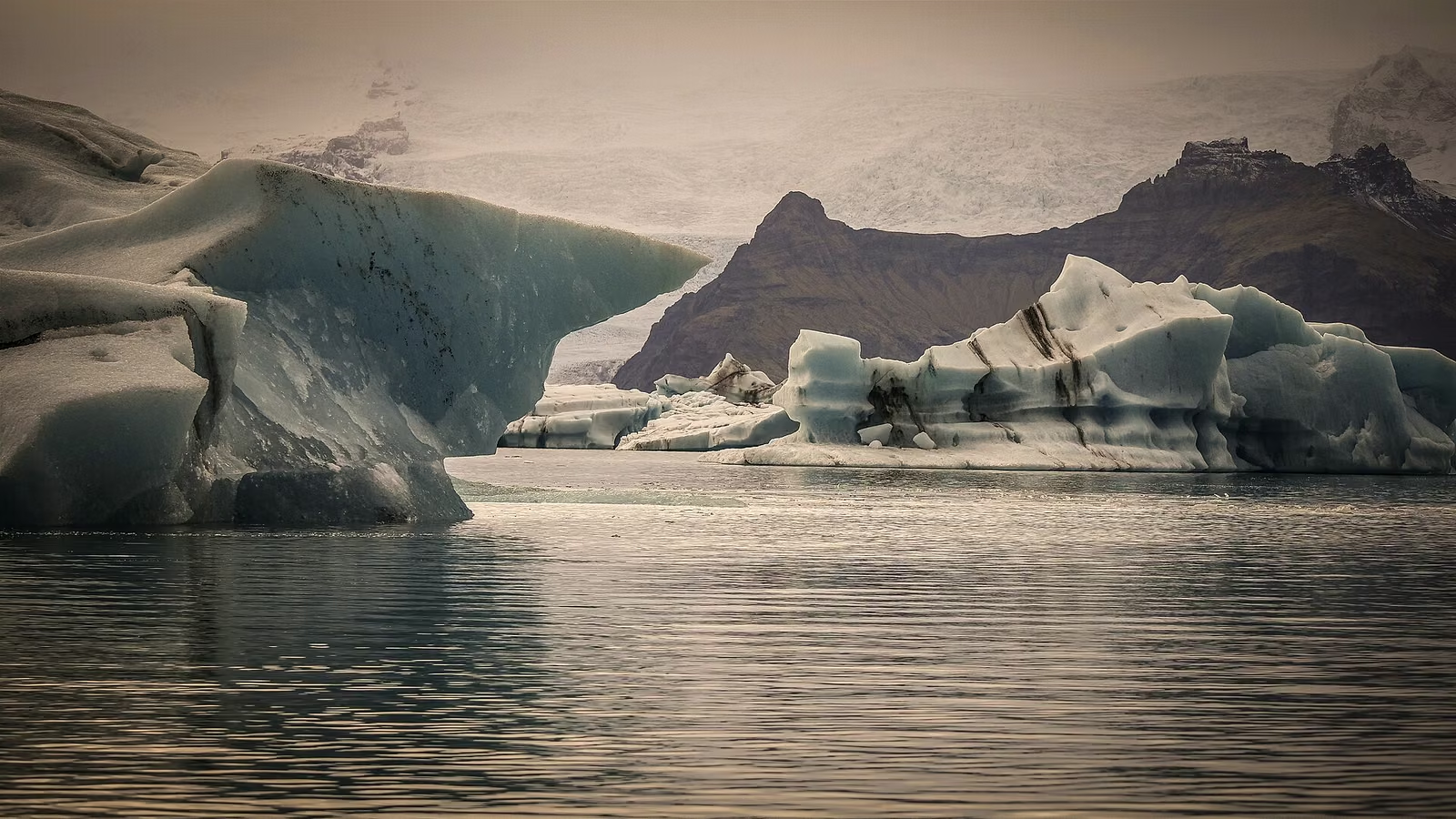
Jokulsarlon glacier lagoon
Icebergs break off the glacier, drift across the lagoon for years and wash out onto a black beach, where they lie like broken glass. It is a long drive east along Route 1 and the reason to make it. Rangers walk the shore; the car park is the only thing you pay for.
No entry fee is listed; parking is 1,110 kronur (about USD 9) for a car with up to 5 seats, valid until midnight on the day it is paid, with a 50 percent discount if you paid at another fee area of Vatnajokull National Park the same day. Pay online through Parka or at the machines in the car park; the plate is photographed on entry.[1][2] Price: Parking 1,110 kronur (about USD 9) per car (5 seats or fewer), 450 kronur (about USD 3.5) per motorcycle, valid until midnight.[1] Booking: No booking; pay the parking fee online via Parka or at the machines. Flush toilets on site, rangers on 842-4355, boat and glacier tours run by private operators from the car park.[2][1] Find guided visits on Viator (opens Viator in a new tab) paid linkSome links earn us a commission. How we work
USD figures are approximate, converted at the ECB euro reference rates of 13 Nov 2026.
- JanHigh 35°F 2°CLow 27°F -3°C
- FebHigh 37°F 3°CLow 28°F -2°C
- MarHigh 38°F 3°CLow 28°F -2°C
- AprHigh 42°F 6°CLow 33°F 0°C
- MayHigh 49°F 9°CLow 38°F 4°C
- JunHigh 53°F 12°CLow 44°F 7°C
- JulHigh 56°F 13°CLow 47°F 8°C
- AugHigh 55°F 13°CLow 46°F 8°C
- SepHigh 50°F 10°CLow 41°F 5°C
- OctHigh 44°F 7°CLow 36°F 2°C
- NovHigh 38°F 3°CLow 30°F -1°C
- DecHigh 36°F 2°CLow 27°F -3°C
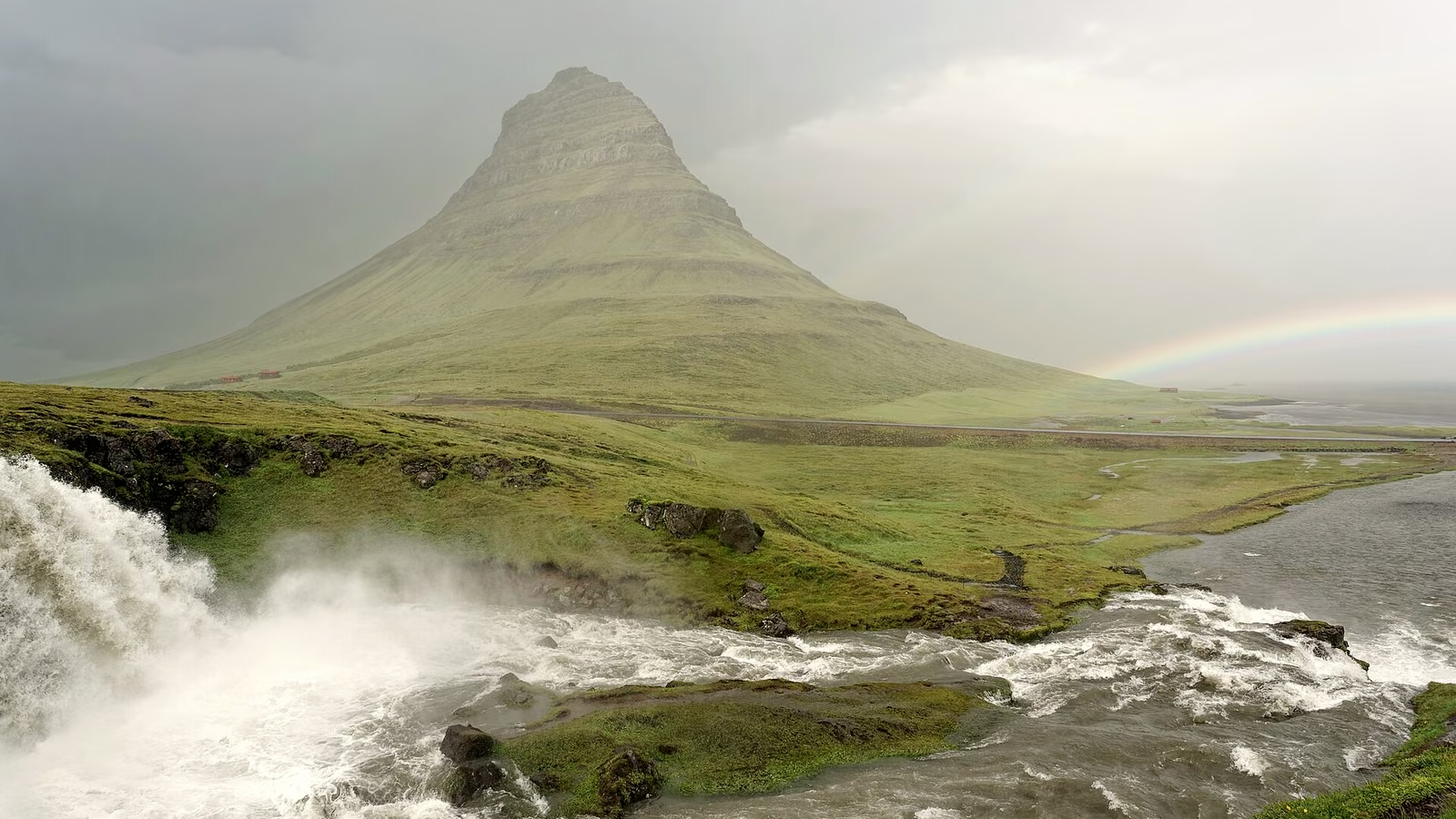
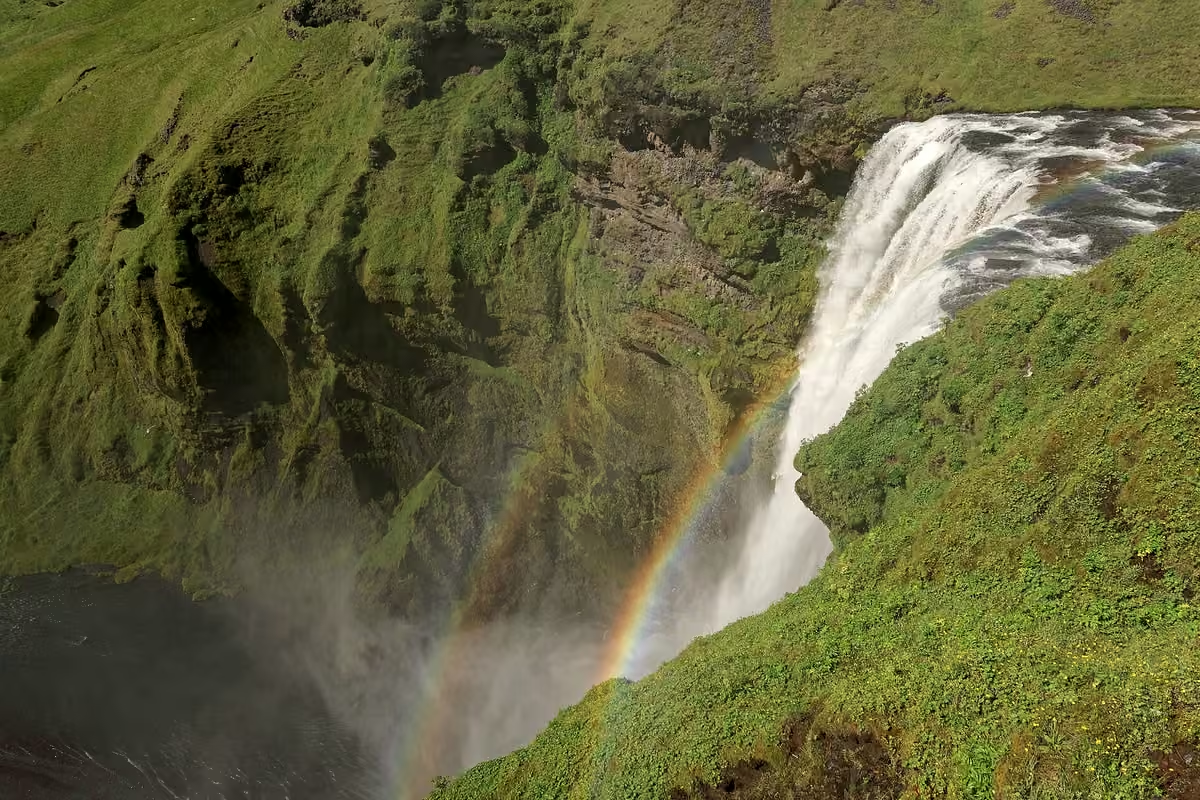
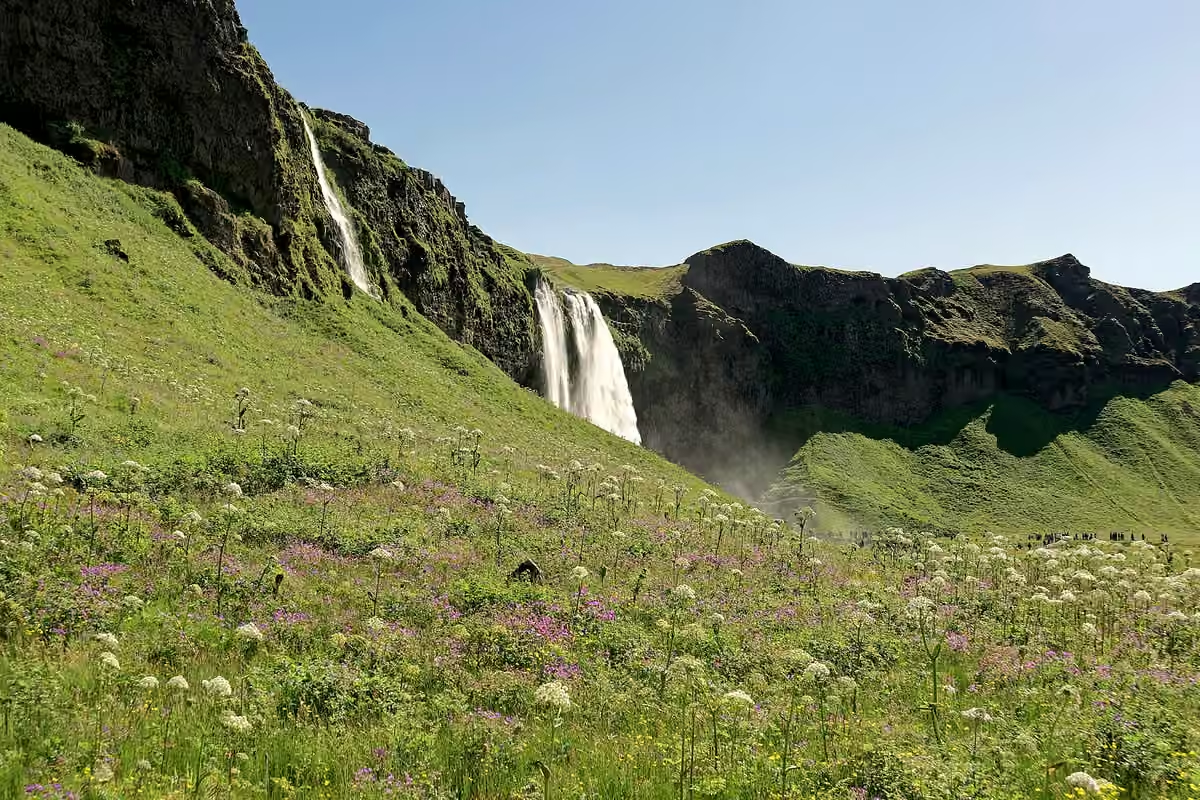
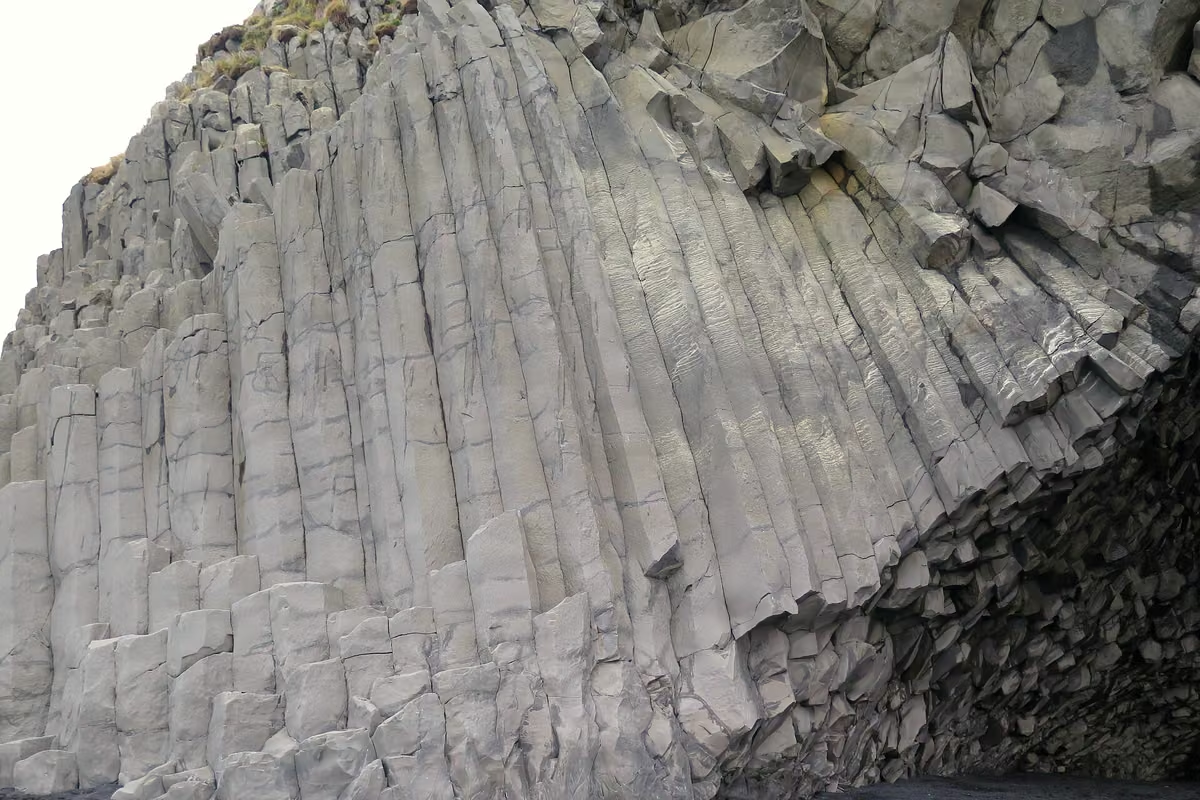
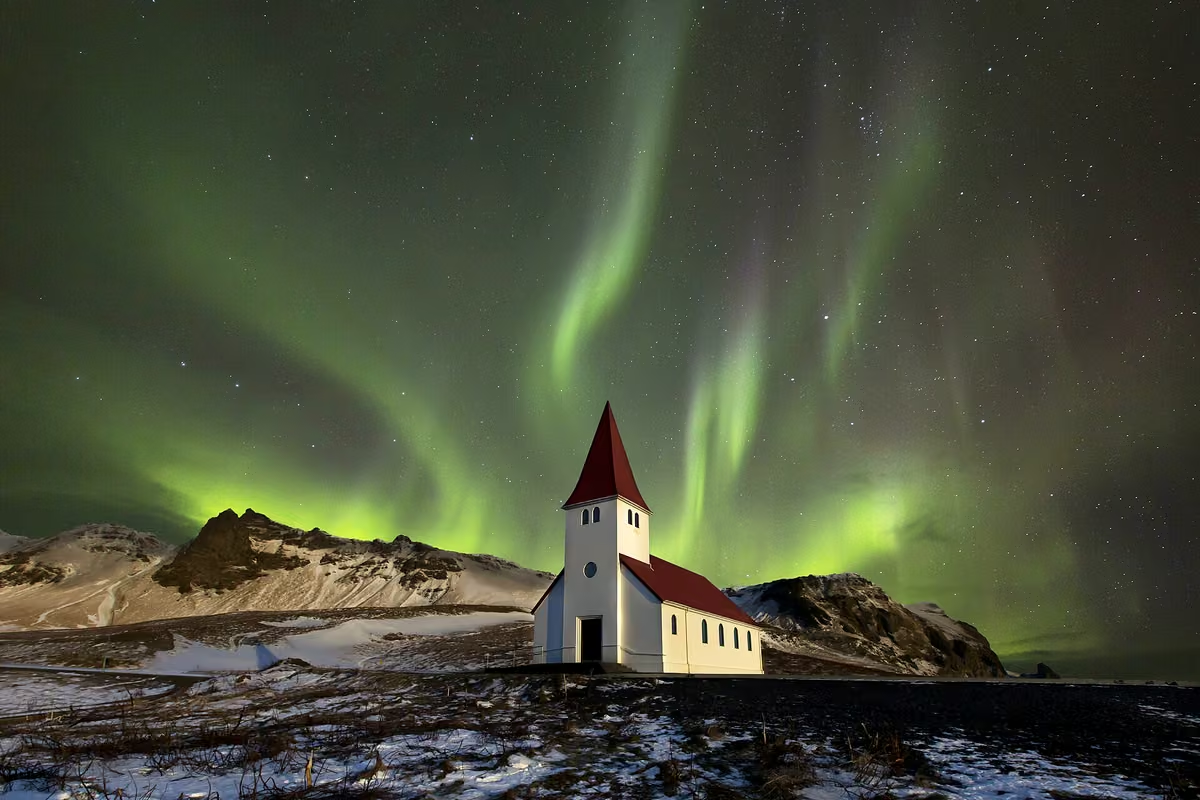
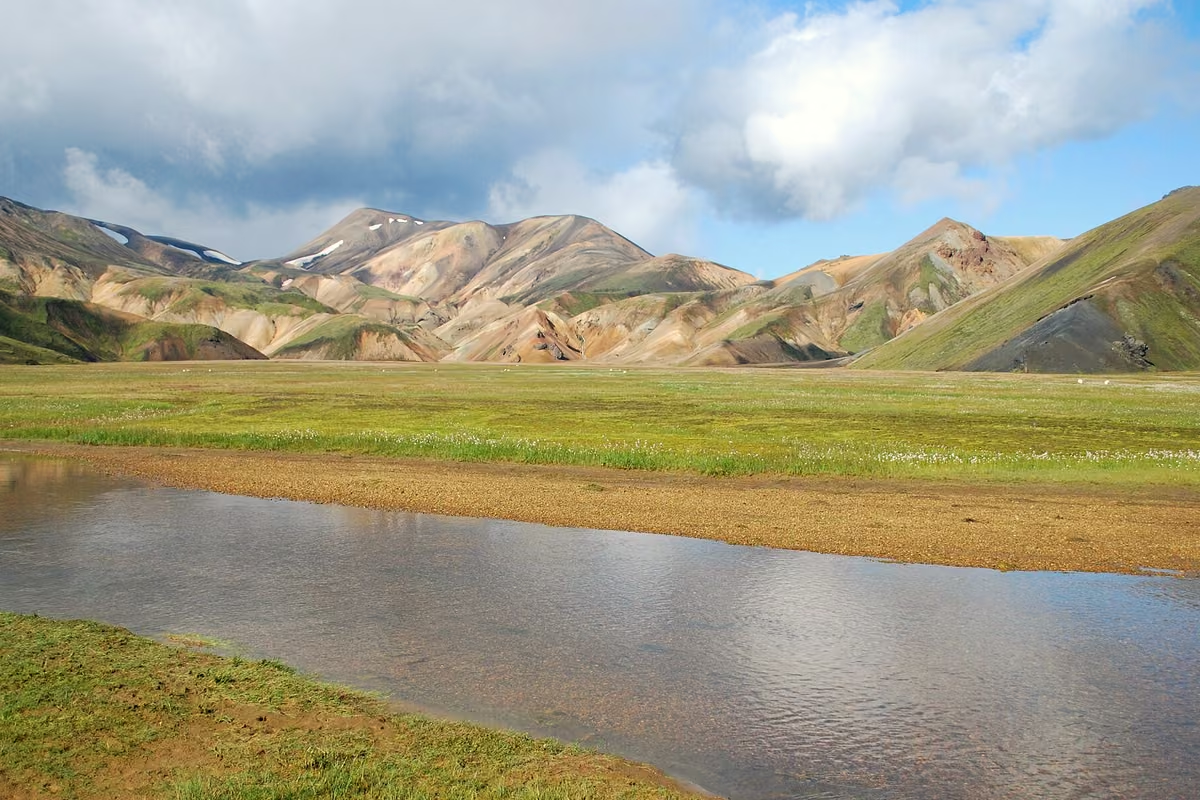
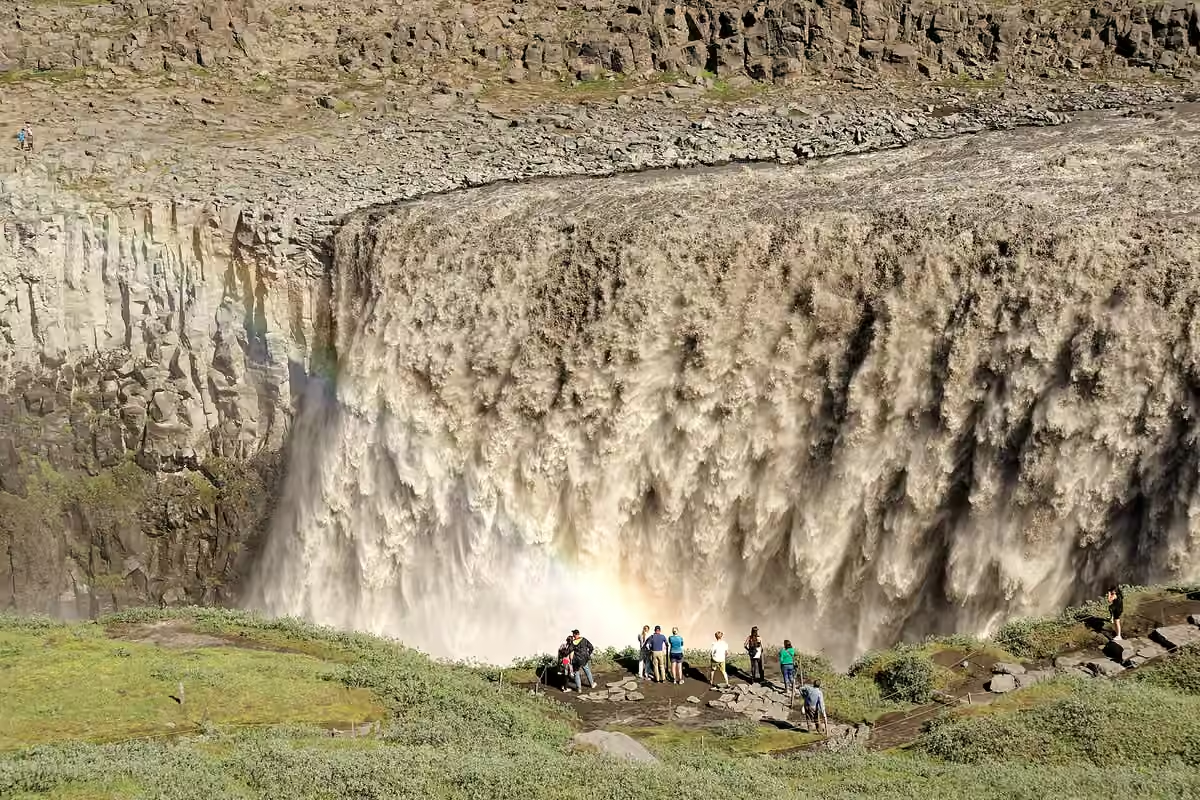
Iceland in pictures
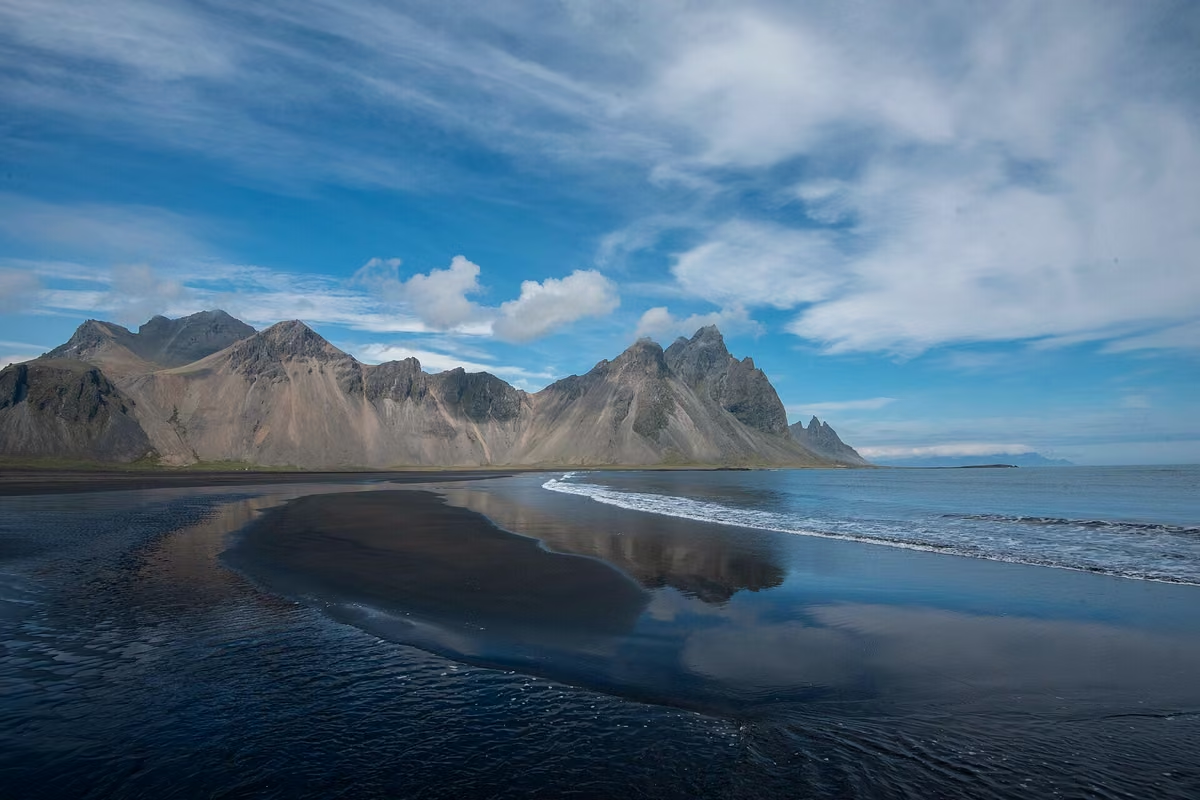
8 photographs, each with its photographer and licence.








Jump to
Where to go
 ReykjavikKEF
i
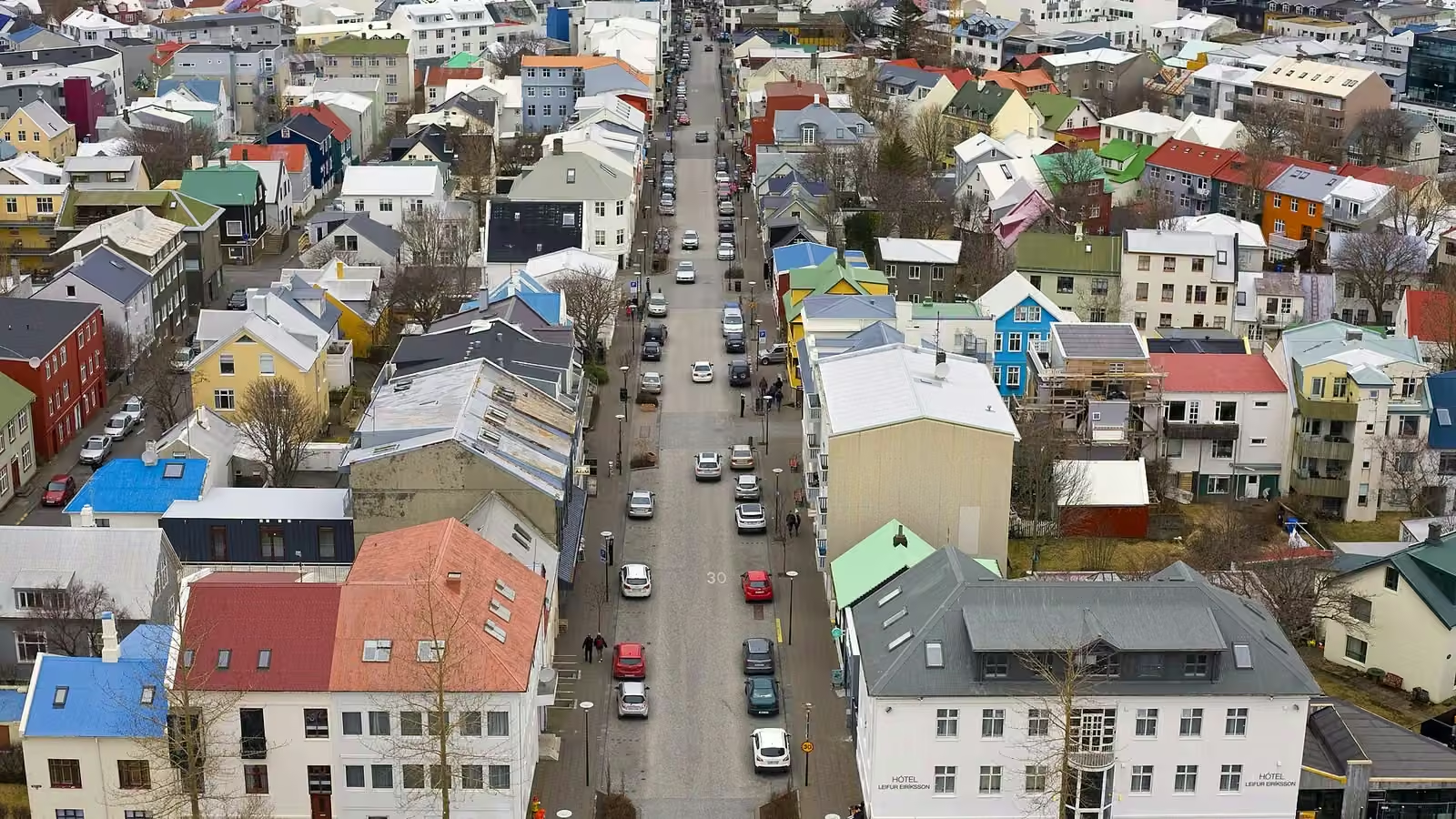
Photo: miketnorton, Wikimedia Commons (CC BY 2.0)

Highlights
Reykjavik
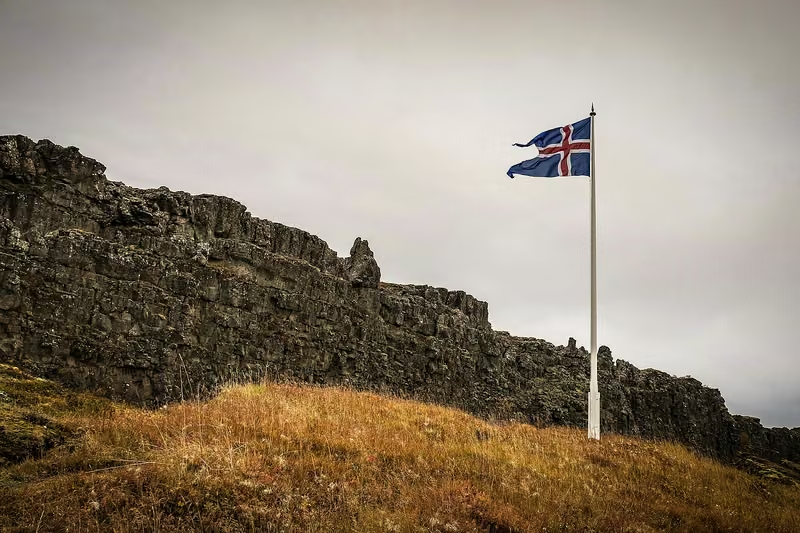
Photo: Marine SABRES, Wikimedia Commons (CC BY 4.0) Thingvellir National Park
Rift valley and site of the old parliament on the Golden Circle; the visitor centre at Hakid by car park P1 holds the Heart of Iceland exhibition.
Parking 1,000 kronur (about USD 8) per car (up to 5 seats); exhibition 1,200 kronur (about USD 9.5) adult, 600 kronur (about USD 5) seniors and students, free up to 17.[21][22]Visitor centre 09:00 to 18:00 April to October, 09:00 to 17:00 November to March; shorter hours between Christmas and New Year.[22]None for the park; the exhibition is paid at the visitor centre.[22]Official site
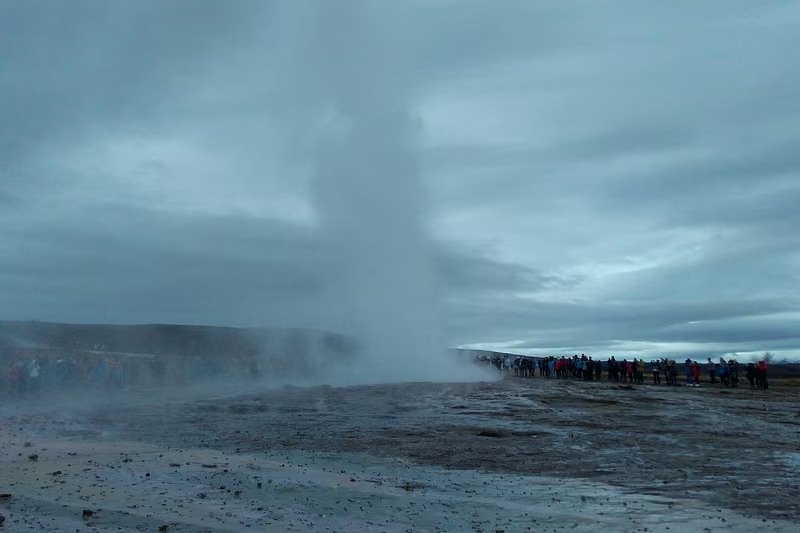
Photo: sikeri from Silver Spring, MD, USA, Wikimedia Commons (CC BY 2.0) Geysir geothermal area
Hot springs and the Strokkur geyser in a 1.2 square kilometre protected area declared on 17 June 2020, patrolled by rangers all year.
None. Keep to the marked walkways in the hot-spring area; bathing in the springs and throwing coins or soap into them are banned. Shops, hotels and the last petrol station before the Kjolur highland route sit just outside the reserve.[38][39]Official site
Sky Lagoon (Kopavogur)
Oceanside geothermal lagoon near the city with the seven-step Skjol ritual; Saman uses public changing rooms, Ser private ones.
Saman from 127.23 US dollars adult and 63.62 youth, Ser from 152.69 adult, as shown in the site's USD view on 14 November 2026.[26]Book online; a transfer run by Reykjavik Excursions can be added for a fee.[26]Official site
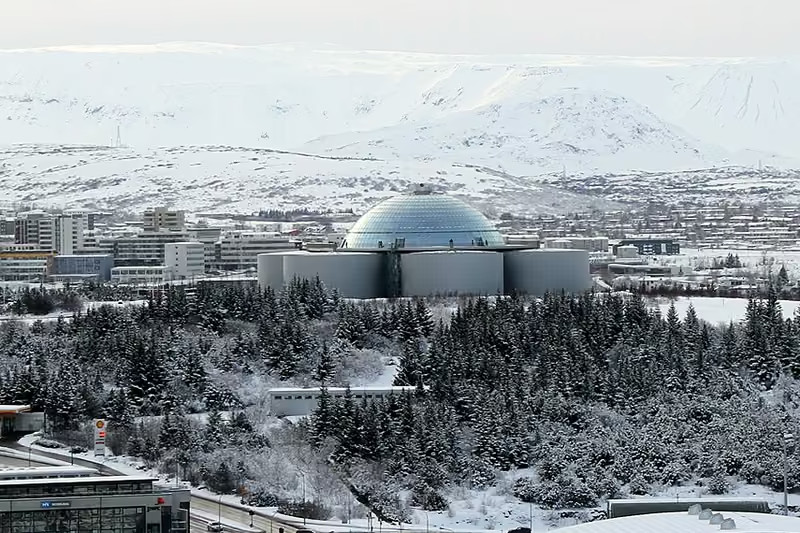
Photo: Tony Hisgett from Birmingham, UK, Wikimedia Commons (CC BY 2.0) Perlan
Exhibitions and a 360-degree viewing deck on Oskjuhlid hill, Reykjavik.
Exhibitions 09:00 to 21:00; shop 10:00 to 20:00.[41]Tickets online at perlan.is/buy-tickets.[41]Official site
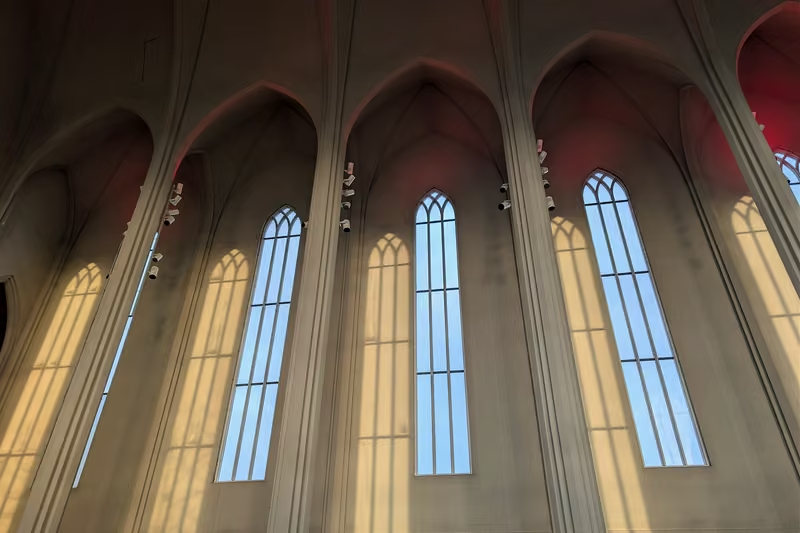
Photo: G. Edward Johnson, Wikimedia Commons (CC BY 4.0) Hallgrimskirkja
Reykjavik's landmark church; the tower lift gives the city view.
Tower 1,500 kronur (about USD 12) adult, 200 kronur (about USD 1.5) children 7 to 16.[23]Winter from 1 September: church 10:00 to 17:00, tower 10:00 to 16:45; summer: church 09:00 to 20:00, tower 09:00 to 19:45. Closed around Sunday services (about 10:30 to 12:30) and for weekday services.[23]None; tower tickets on site.[23]Official site
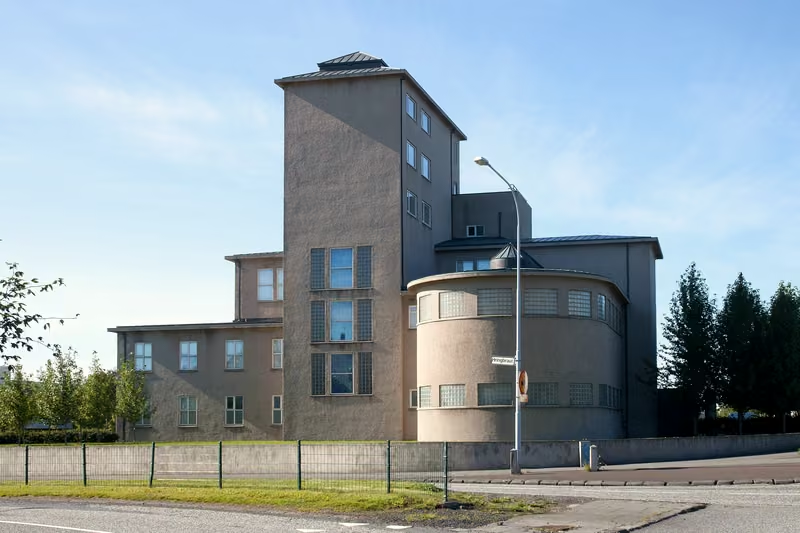
Photo: Szilas, Wikimedia Commons (Public domain) National Museum of Iceland
The national collection at Sudurgata 41.
3,300 kronur (about USD 27) adult (also an annual pass), 1,600 kronur (about USD 13) students and seniors, free under 18.[24]Daily 10:00 to 17:00.[24]None.[24]Official site
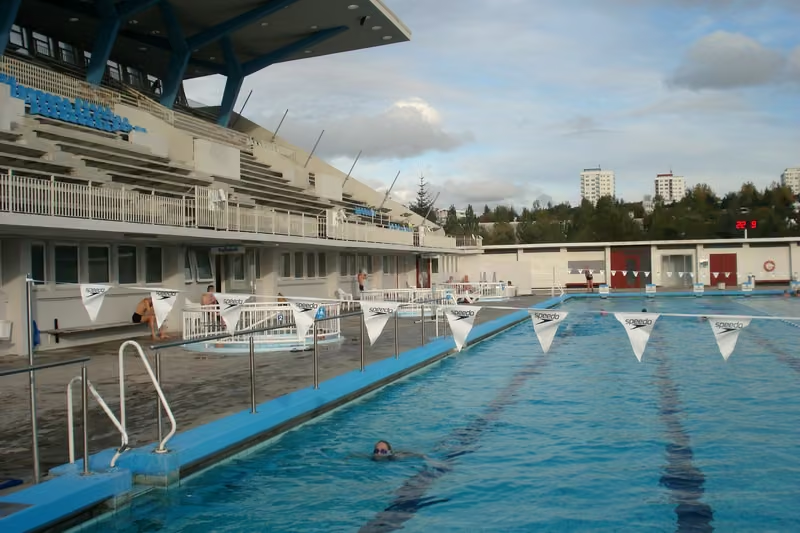
Photo: Ohlen, Wikimedia Commons (Public domain) Reykjavik city pools (Laugardalslaug, Sundholl, Vesturbaejarlaug)
Geothermal public pools run by the city, with hot tubs; the local evening out.
1,500 kronur (about USD 12) adult, 400 kronur (about USD 3) children 10 to 17, free under 10 with an adult; 10 visits 7,000 kronur (about USD 57); towel 860 kronur (about USD 7), swimsuit 1,270 kronur (about USD 10) to hire.[25]Laugardalslaug and Sundholl 06:30 to 22:00 weekdays, 08:00 to 22:00 weekends; Vesturbaejarlaug 06:30 to 22:00 weekdays, 09:00 to 22:00 weekends.[42]None; pay at the desk.[25]Official site


More in Iceland
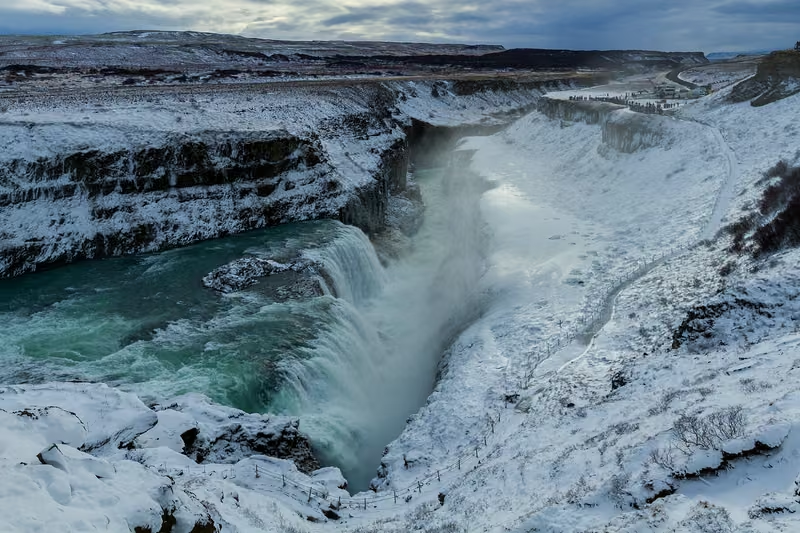
Photo: Pierre-Selim Huard, Wikimedia Commons (CC BY 4.0) Gullfoss
Two-step waterfall in a nature reserve dating from 1979, managed by the Environment Agency.
None. Pedestrians are welcome with good conduct; driving off marked trails is prohibited and drones need Environment Agency permission.[37]Official site
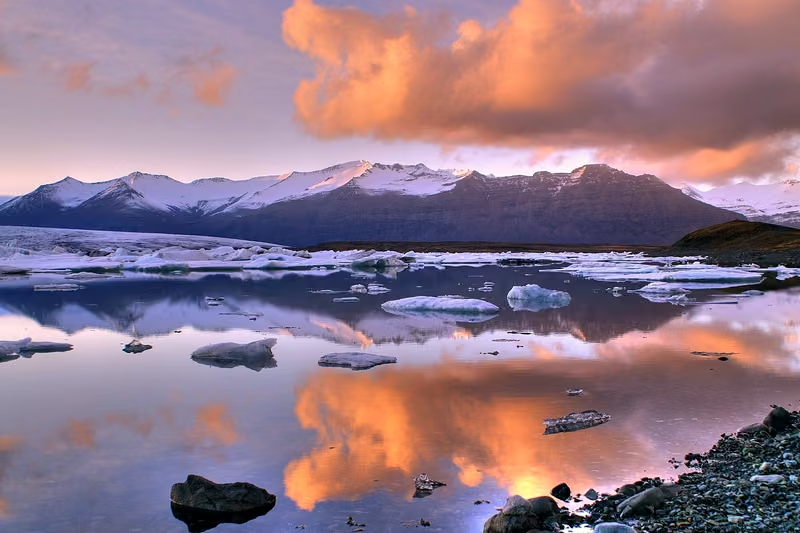
Photo: Kenny Muir, Wikimedia Commons (CC BY 2.0) Jokulsarlon glacier lagoon
Iceberg lagoon on Route 1 in Vatnajokull National Park, with the Fellsfjara (Diamond Beach) car parks next door.
Parking 1,110 kronur (about USD 9) per car, valid until midnight; no entry fee listed.[1]Pay parking online via Parka or at the machines; rangers on 842-4355.[1][40] Service alertsOfficial site
Reykjanes eruption area and Grindavik (status, not a sight to book)
The Sundhnukur crater row and Grindavik, under Met Office hazard mapping; no eruption was under way on 10 November 2026.
Read the Met Office hazard map first (valid to 5 January 2027). Hiking on the lava is forbidden, gas can linger, Grindavik is open but hazardous with crevasses expected, and sirens sound if the threat rises.[32][33]Official site


Tours across Iceland
Tours, day trips and tickets across Iceland, booked on Viator.
See Iceland tours on Viator (opens Viator in a new tab) paid link
Things to book in Reykjavik.
Before you go
Checklist
- Visa or travel authorisation for your passport
- Money: cards, cash and ATMs
- A SIM or eSIM for data on arrival
- Government travel advisories
| Passport | Rule |
|---|---|
| United States | No visa for short stays: the United States is on the common Schengen list of visa-exempt nationalities, which every Schengen country applies, with 90 days in any 180-day period. The passport must be valid for 3 months beyond the departure date and issued within the last 10 years.[7][8] |
| United Kingdom | No visa for up to 90 days in any 180-day period under the common Schengen rules; passport valid 3 months beyond departure and issued within 10 years.[7][8][9] |
| Canada | No visa for up to 90 days in any 180-day period, counted across all Schengen countries. The passport must be valid for at least 3 months beyond the date you expect to leave the Schengen area; carriers may apply stricter rules.[5][7] |
| Australia | No visa under the common Schengen rules, 90 days in any 180-day period; passport valid 3 months beyond departure and issued within 10 years.[7][8] |
Visitors must be able to state the purpose of the visit and "Have enough money to support themselves, both during the planned stay and to return to country of origin"; no daily amount is published.[7]
The Entry/Exit System became fully operational on 10 April 2026 across the 29 participating countries and replaces passport stamping; fingerprints and a facial image are recorded.[10][5]
ETIAS is not yet in operation: Canada's advisory says applications are not yet open and that travellers should apply only through the official EU site once the system launches.[5]
Stays beyond 90 days need a residence permit from the Directorate of Immigration; Schengen countries may also reintroduce internal border checks at short notice.[7][5]
Entry rules for every destination, by passport Check one passport and destination Passport planner for a trip with several stops
Money
| Item | What to know |
|---|---|
| Currency | Icelandic krona. The Central Bank is the only issuer; valid notes are 10,000, 5,000, 2,000, 1,000 and 500 kronur (about USD 4) and the coins 100, 50, 10, 5 and 1 kronur (about USD 0.01).[3][4] |
| Cards | Straeto city buses take contactless Visa and Mastercard on board at the 690 kronur (about USD 5.5) adult fare, and Flybus sells online or at a kiosk.[11][12] |
| Cash | Travellers carrying 10,000 euro (about USD 11,050) or more, or the equivalent, must declare it to customs on entry or exit.[5] |
Carrying more than one currency on a trip is simpler with a multi-currency card. Wise
SIM and data
- Siminn prepaid starter pack as SIM or eSIM, 3,000 kronur (about USD 24): either 10 GB valid 30 days in Iceland and the EEA with 50 international minutes and 50 texts, or unlimited data for 14 days in Iceland only with unlimited calls and texts to Icelandic numbers. Top up on the website or in the Siminn app.[13][14]
| Provider | Plans |
|---|---|
| Siminn | Prepaid eSIM starter pack 3,000 kronur (about USD 24), activated at purchase: 10 GB for 30 days (works in the EEA) or unlimited data for 14 days (Iceland only); it will not work outside the EEA.[13] |
Airport to city
Keflavik Airport (KEF), about 50 km from Reykjavik city centre[15] KEF
| Option | Time | Fare | Pay |
|---|---|---|---|
| Flybus to BSI bus terminal, Reykjavik, run by Icelandia. Airport Direct's website now redirects to flybus.is.[12][16]bus | About 45 minutes. Buses leave 40 minutes after each landing, more often at peak times, day and night; a delayed flight still gets the next departure.[16][12] | 3,999 kronur (about USD 32) one way per adult to BSI; hotel drop-off may add a fee.[12] | Online in advance (the airport recommends it), at a ticket kiosk, or through partners; board right outside the terminal.[12][16] |
| Straeto route 55, KEF Airport to Reykjavik (BSI), the public bus.[17]bus | About 70 minutes from the arrivals stop to BSI (06:27 departure reaches BSI at 07:37); 12 weekday departures between 06:27 and 22:54, stopping in Reykjanesbaer and Hafnarfjordur on the way.[17] | Klapp app, Klapp card or a contactless Visa or Mastercard on board.[11] |
A pre-booked transfer meets late arrivals at a fixed price. Welcome Pickups
First 48 hours
- Arrival, passport control
Non-EU visitors go through the Entry/Exit System: fingerprints and a facial image, no stamp. Be ready to say what you are here for and show you can pay for the stay and the trip home.
- Arrival, Keflavik
Flybus leaves 40 minutes after each landing and reaches BSI in about 45 minutes for 3,999 kronur; Straeto 55 is the public bus, about 70 minutes, paid with the Klapp app or a contactless card on board.
- First hour
A Siminn prepaid eSIM is 3,000 kronur for 10 GB over 30 days and activates at purchase, so it can be bought before you land.
- First evening
Open the Met Office aurora page: activity grade at midnight on a 0 to 9 scale, cloud map in green and white, sunset and moon times for Reykjavik. Dark and partly clear skies are the whole requirement.
- Before any drive
Check umferdin.is for road conditions and en.vedur.is for weather at least once a day; lights on front and rear at all times; winter tyres November to April. Never stop in the road for a photo.
- Day two, Golden Circle
Thingvellir parking is 1,000 kronur per car and the Heart of Iceland exhibition 1,200 kronur; Gullfoss and the Geysir area are Environment Agency reserves where you keep to the marked paths and off the hot-spring edges.
- Any day, Reykjanes
Do not walk on the new lava under any circumstances, stay on paths in Grindavik because of crevasses, and read the Met Office hazard map before heading that way.
- Any evening
A city pool costs 1,500 kronur and Laugardalslaug is open 06:30 to 22:00 on weekdays. Bring a swimsuit: the Met Office itself tells visitors to pack one in either season.
Safety and advisories
| Government | Advice | Updated | Checked |
|---|---|---|---|
| US State Department | Level 1: Exercise Normal Precautions | ||
| UK Foreign Office (FCDO) | FCDO does not advise against travel to any part of Iceland; the page still carries dated safety, entry and health notes. | ||
| Government of Canada | Level 1 of 4 Take normal security precautions |
UK advice: There is no recent history of terrorism in Iceland, but attacks cannot be ruled out. Crime is low, though petty theft and antisocial behaviour occur around bars in downtown Reykjavik. Going too close to the sea, cliff edges and hot springs is a common cause of accidents.[18]
Canada: Take normal security precautions. Further eruptions on the Reykjanes peninsula could occur at any time without warning and volcanic gas can blow far from the site. Storms are common in autumn and winter and make driving dangerous; most bridges outside Reykjavik are single lane, highland roads open only in summer, off-road driving is forbidden and winter tyres are required from November to April. Pickpocketing occurs and violent crime, though rare, has happened near downtown nightlife.[5]
Scams to watch for
- Pickpocketing in busy spots; violent crime is rare but has occurred around nightlife venues in downtown Reykjavik.[5]
- Standing or stopping on the road to photograph the northern lights: "under NO circumstances is it allowed to stop your car in the middle of the road", and a parked car is hard to see in the dark.[19]
- Further eruptions on the Sundhnukur crater row are possible at short notice; check the Met Office hazard map before going near Grindavik or Svartsengi.[20]
Travel medical cover is sold by the week for trips like this one. SafetyWing
What things cost
| Item | What it costs |
|---|---|
| Flybus, Keflavik Airport to BSI, adult one way | 3,999 kronur (about USD 32)[12] |
| Straeto single adult fare, capital area | 690 kronur (about USD 5.5); Klapp ten (10 rides) 6,900 kronur (about USD 56); fare capping means at most 3 adult fares a day[11] |
| Siminn prepaid SIM or eSIM starter pack | 3,000 kronur (about USD 24) (10 GB for 30 days or unlimited for 14 days)[13] |
| Thingvellir National Park parking, car with up to 5 seats | 1,000 kronur (about USD 8) (motorcycle 400, 6 to 9 seats 1,200)[21] |
| Heart of Iceland exhibition, Thingvellir visitor centre | 1,200 kronur (about USD 9.5) adult; 600 kronur (about USD 5) seniors and students; free up to 17[22] |
| Jokulsarlon or Skaftafell parking, car with up to 5 seats | 1,110 kronur (about USD 9), valid until midnight[1] |
| Hallgrimskirkja tower, adult | 1,500 kronur (about USD 12); children 7 to 16 200 kronur (about USD 1.5)[23] |
| National Museum of Iceland, adult | 3,300 kronur (about USD 27); students and seniors 1,600 kronur (about USD 13); under 18 free[24] |
| Reykjavik city swimming pool, adult single | 1,500 kronur (about USD 12); children 10 to 17 400 kronur (about USD 3); 10 visits 7,000 kronur (about USD 57); towel hire 860 kronur (about USD 7) (prices from 5 May 2026)[25] |
| Sky Lagoon Saman pass, adult | from 127.23 US dollars as displayed in the site's USD view; youth half price[26] |
When to go
| Month | Weather | Crowds | Holidays | Closures |
|---|---|---|---|---|
| January | Reykjavik highs 1.9 C (35 F), lows -3.0 C (27 F), 75.6 mm precipitation, 27 hours of bright sunshine in the month (1961 to 1990 normals).[27] | Aurora season runs from late August until late April; it needs darkness and a clear sky.[19][28] | 1 January, New Year's Day.[29] | Highland F-roads are closed; winter tyres are required from November to April.[30][5] |
| February | Highs 2.8 C (37 F), lows -2.1 C (28 F), 71.8 mm, 52 sunshine hours.[27] | |||
| March | Highs 3.2 C (38 F), lows -2.0 C (28 F), 81.8 mm, 111 sunshine hours.[27] | |||
| April | Highs 5.7 C (42 F), lows 0.4 C (33 F), 58.3 mm, 140 sunshine hours.[27] | Aurora season ends in late April as the nights shorten.[19] | Hallgrimskirkja is closed to visitors on Good Friday and the tower is shut.[23] | |
| May | Highs 9.4 C (49 F), lows 3.6 C (38 F), 43.8 mm, 192 sunshine hours, the sunniest month.[27] | F-roads are usually still closed; they open between June and July depending on the road.[30] | ||
| June | Highs 11.7 C (53 F), lows 6.7 C (44 F), 50.0 mm, 161 sunshine hours; the Met Office notes the sun stays above the horizon for almost 24 hours in early summer.[27][31] | The summer tourist season runs from late May to early September.[31] | 17 June, National Day.[29] | |
| July | Highs 13.3 C (56 F), lows 8.3 C (47 F), 51.8 mm, 171 sunshine hours, the warmest month.[27] | |||
| August | Highs 13.0 C (55 F), lows 7.9 C (46 F), 61.8 mm, 155 sunshine hours.[27] | Aurora season begins again in late August.[19] | ||
| September | Highs 10.1 C (50 F), lows 5.0 C (41 F), 66.5 mm, 125 sunshine hours.[27] | F-roads usually close from mid-September; Hallgrimskirkja moves to winter hours (10:00 to 17:00) from 1 September.[30][23] | ||
| October | Highs 6.8 C (44 F), lows 2.2 C (36 F), 85.6 mm, the wettest month, 83 sunshine hours.[27] | |||
| November | Highs 3.4 C (38 F), lows -1.3 C (30 F), 72.5 mm, 39 sunshine hours; storms are most common in autumn and winter.[27][5] | Thingvellir visitor centre runs winter hours, 09:00 to 17:00, from November to March.[22] | ||
| December | Highs 2.2 C (36 F), lows -2.8 C (27 F), 78.7 mm and only 12 hours of bright sunshine in the month.[27] | 24, 25, 26 and 31 December are holidays on the Central Bank's calendar.[29] | Thingvellir visitor centre opens 09:00 to 12:00 on 24 December; Hallgrimskirkja opens only for services on 24 and 25 December and the tower is closed.[22][23] |
Common mistakes
Myth: You can walk out to the new lava near Grindavik now that the eruption has stopped.
Actually: SafeTravel: "Do not walk on the lava under any circumstances"; gas pollution may persist, and in Grindavik crevasses are expected so stay on paths and know the way out. The Met Office still rates a new intrusion that could lead to an eruption as the most likely scenario, with warning times as short as 20 minutes.[32][33]
Myth: A hire car can take the F-roads in spring, and the insurance covers rivers.
Actually: F-roads are usually closed from mid-September until June or July, not every 4WD is suitable, off-road driving is strictly forbidden, and no insurance covers damage from crossing a river. Canada's advice adds that highland roads open only in summer.[30][5]
Myth: You need to buy a tour to see the northern lights.
Actually: The requirement is dark, partly clear sky, and the Met Office publishes a free forecast with activity at midnight on a 0 to 9 scale and a cloud map; even grade 2 can be beautiful. The season runs from late August to late April. A tour buys a driver, not the lights.[34][28][19]
Myth: Winter driving is like at home with a 4x4.
Actually: A 4x4 does not remove the risk of skidding on ice; front and rear lights must be on at all times (the automatic setting often leaves the rear off), daylight is short, and road and weather conditions should be checked at least once a day. Winter tyres are required November to April and storms are most common in autumn and winter.[35][5]
Myth: Buy bottled water; the tap water is not safe.
Actually: The capital region's utility says it is unusual worldwide in having drinking water that needs little or no treatment; the supply comes from Heidmork and 97 to 100 percent of samples in recent years met quality requirements.[36]
Myth: Pay the city bus driver in cash.
Actually: Straeto's fare system is Klapp: the app, a reloadable card or keychain, a paper Klapp ten, or a contactless Visa or Mastercard on board; cash is not listed among the payment methods.[11]
Myth: Your passport will be stamped on entry.
Actually: The Entry/Exit System replaced stamping when it became fully operational on 10 April 2026; fingerprints and a facial image are recorded instead.[10]
Sources
Show all sources (45)
- Price list (regional parking fees), Vatnajokull National Park.
- Jokulsarlon, Vatnajokull National Park.
- Valid banknotes in circulation, Central Bank of Iceland.
- Valid coins in circulation, Central Bank of Iceland.
- Iceland travel advice, Government of Canada.
- Iceland travel advice, UK Foreign, Commonwealth and Development Office.
- Entry requirements to Iceland, Directorate of Immigration, island.is.
- Regulation (EU) 2018/1806: third countries whose nationals must or need not hold a visa to cross the external borders, EUR-Lex, Publications Office of the European Union.
- Iceland travel advice: entry requirements, UK Foreign, Commonwealth and Development Office.
- Entry/Exit System (EES), European Commission, Migration and Home Affairs.
- Klapp pricing, Straeto (Klapp).
- Flybus airport transfer, Flybus, Icelandia (Reykjavik Excursions).
- Prepaid eSIM starter pack, Siminn.
- Prepaid mobile starter pack, Siminn.
- Getting to and from KEF, Keflavik Airport, Isavia.
- By coach or bus, Keflavik Airport, Isavia.
- Route 55 KEF Airport to Reykjavik timetable, Straeto.
- Iceland travel advice: safety and security, UK Foreign, Commonwealth and Development Office.
- Northern lights safety, SafeTravel, ICE-SAR.
- Reykjanes volcanic activity: news and alerts, Icelandic Met Office.
- Parking service, Thingvellir National Park.
- Visitor centre, Thingvellir National Park.
- Opening hours and tower tickets, Hallgrimskirkja.
- National Museum of Iceland: visit, National Museum of Iceland.
- Gjaldskra sundlauga (pool prices), City of Reykjavik.
- Sky Lagoon: packages, Sky Lagoon.
- Reykjavik, 30-year averages 1961-1990, Icelandic Met Office.
- Aurora forecast, Icelandic Met Office.
- Public holidays in Iceland 2026, Central Bank of Iceland.
- Highland driving, SafeTravel, ICE-SAR.
- Icelandic climate in general: a short description for tourists, Icelandic Met Office.
- Eruption in Reykjanes, SafeTravel, ICE-SAR.
- Ground uplift and magma accumulation continue beneath Svartsengi (updated 10 November 2026), Icelandic Met Office.
- Instructions for the aurora forecast, Icelandic Met Office.
- Winter driving, SafeTravel, ICE-SAR.
- Protect the water, Veitur Utilities.
- Gullfoss: about the area, Environment Agency of Iceland.
- Geysir area: about the area, Environment Agency of Iceland.
- Geysir area: supervision and service, Environment Agency of Iceland.
- Temporary closure of main parking lot by Jokulsarlon, Vatnajokull National Park.
- Perlan: visit, Perlan.
- Afgreidslutimi sundlauga (pool opening hours), City of Reykjavik.
- European Travel Information and Authorisation System (ETIAS), European Union, travel-europe.europa.eu.
- Who needs a visa (Schengen short stay visas, list of exempt nationalities), Portugal Ministry of Foreign Affairs (common Schengen list).
- Regulation (EU) 2018/1806 listing third countries whose nationals need or are exempt from a visa, European Union, EUR-Lex.