
South Korea
For: Visitors from the US, UK, Canada and Australia on a first trip, landing at Incheon and spending most of their time in Seoul, with Busan or Jeju as a second stop. South Korea keeps US, UK, Canadian and Australian travellers exempt from the K-ETA until 31 December 2027, asks for a free online e-Arrival card instead, and runs its palaces, the Secret Garden and Hallasan's summit trails on fixed hours and reservations.
- Currency
- South Korean won (KRW)[3]
- Time zone
- UTC+9, all year
- Advisories
- US: Level 1UK: FCDO does not advise against travel to any part of South KoreaCanada: Level 1US advice checked Each government's advice
Quick answers
- Do I need a visa?
- US passport: Visa-free. Checked .
- UK passport: Visa-free, up to 90 days. Checked .
- Canadian passport: Visa-free, up to 180 days. Checked .
- Australian passport: Visa-free. Checked .
- The entry table below has the rule in full.
- Is it safe?
- Each government's advice for this country:
- US: Level 1. Checked .
- UK: FCDO does not advise against travel to any part of South Korea. Checked .
- Canada: Level 1. Checked .
- What currency do they use?
Currency: The won (KRW). Checked .
i

The one thing
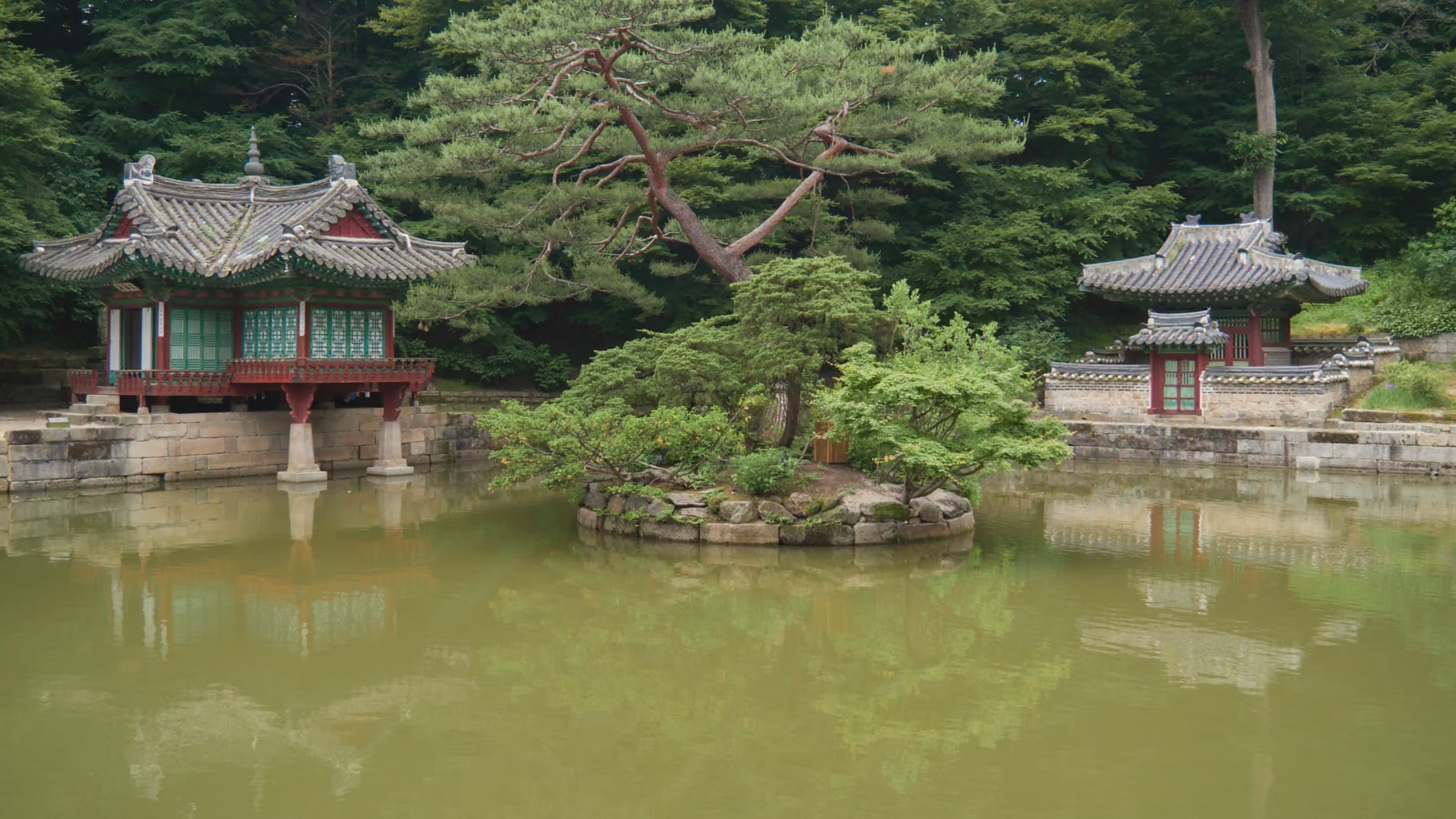
An English-language tour of the Secret Garden at Changdeokgung
Behind the palace halls lies a royal garden of ponds and pavilions that you can only enter with a guide. The small timed groups make it one of the calmer hours you can spend in central Seoul.
Buy a Changdeokgung palace ticket and a separate Secret Garden (Huwon) tour ticket; individual viewing is not allowed. English tours start at 10:30, 11:30 and 14:30 from December to February, with a 15:30 tour added from March to November.[1] Price: Secret Garden 5,000 won (about USD 3.5) (adults 19 and over), 2,500 won (about USD 2) for ages 7 to 18, on top of the 3,000 won (about USD 2) palace ticket.[1][2] Hours: Closed Mondays; when a Monday is a public holiday the closure moves to the next working day.[1] Booking: Up to 100 places per session and language: 50 sold online through the palace's Integrated Reservation Service and 50 on site.[1] Find guided visits on Viator (opens Viator in a new tab) paid linkSome links earn us a commission. How we work
USD figures are approximate, converted at the ECB euro reference rates of 13 Nov 2026.
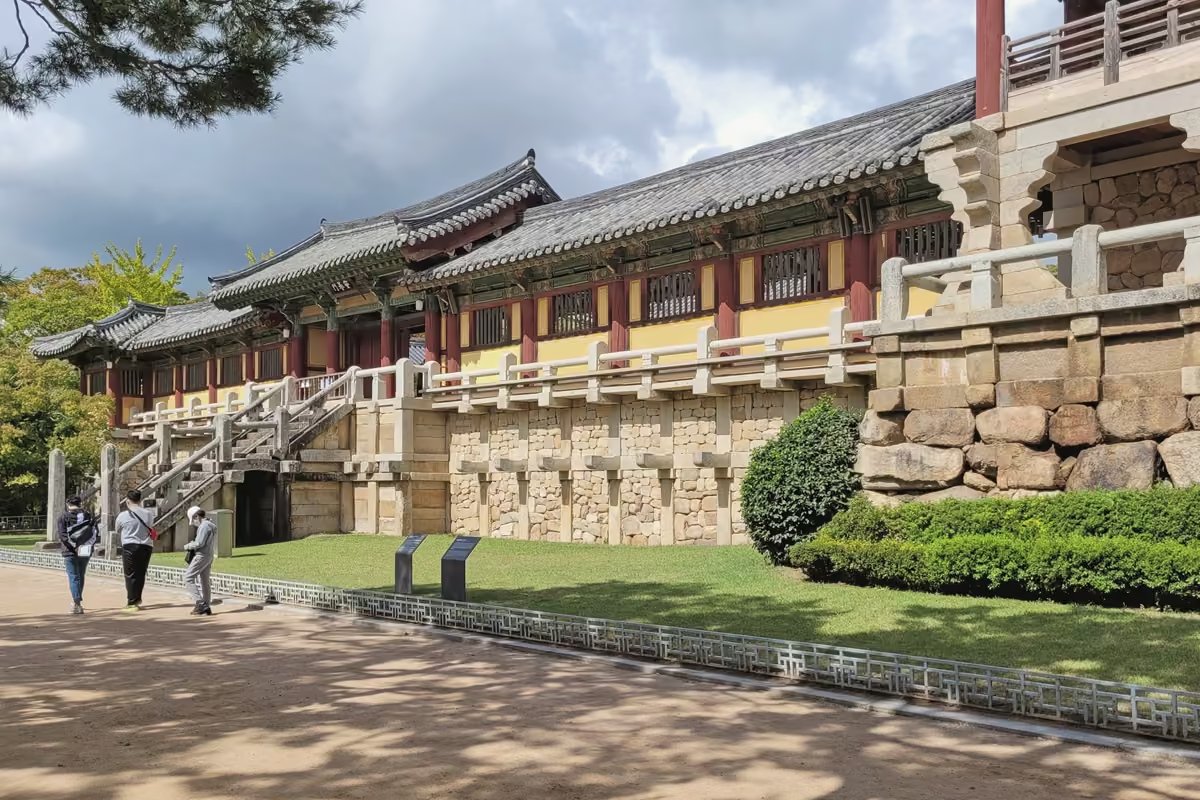
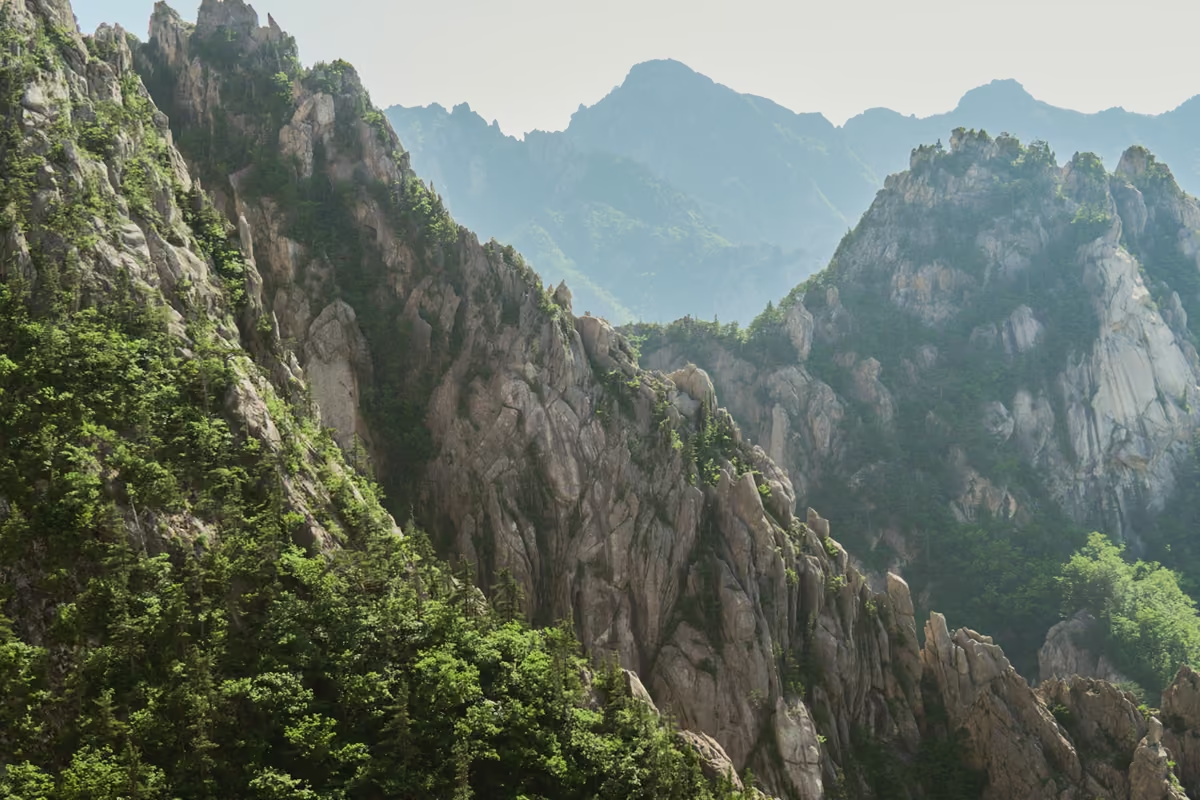
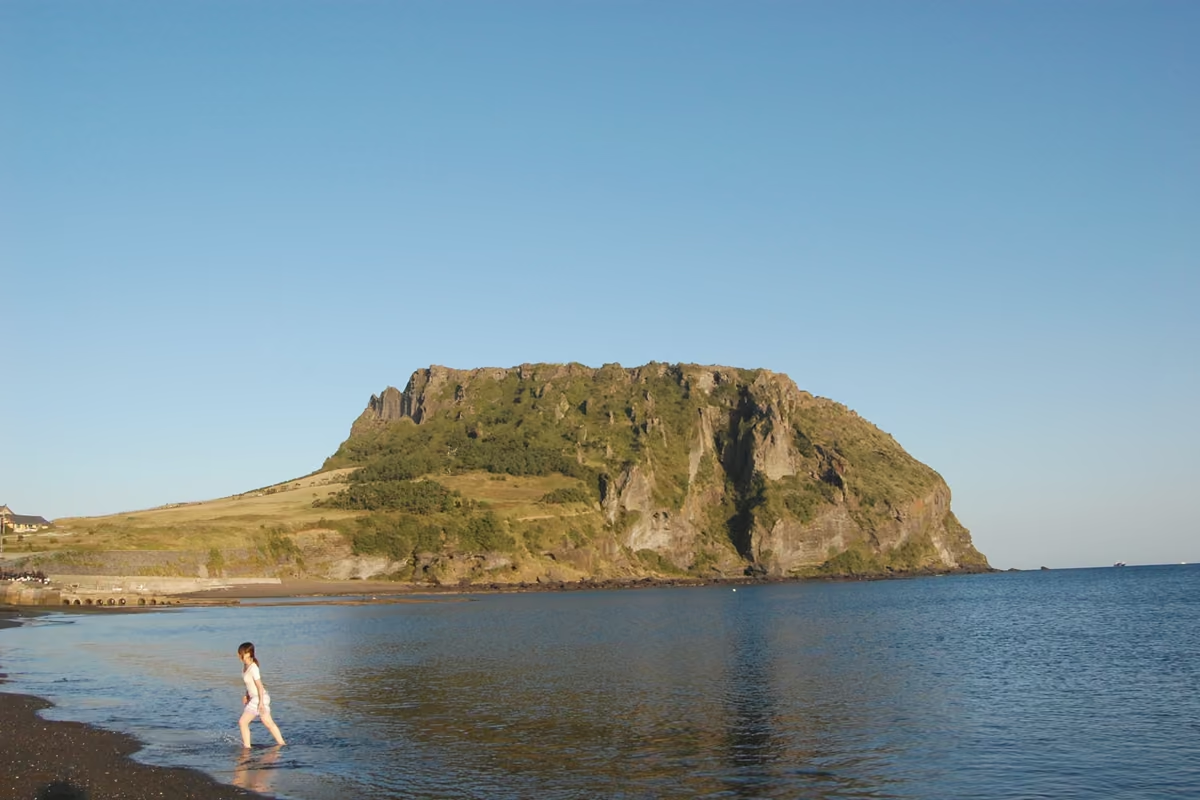
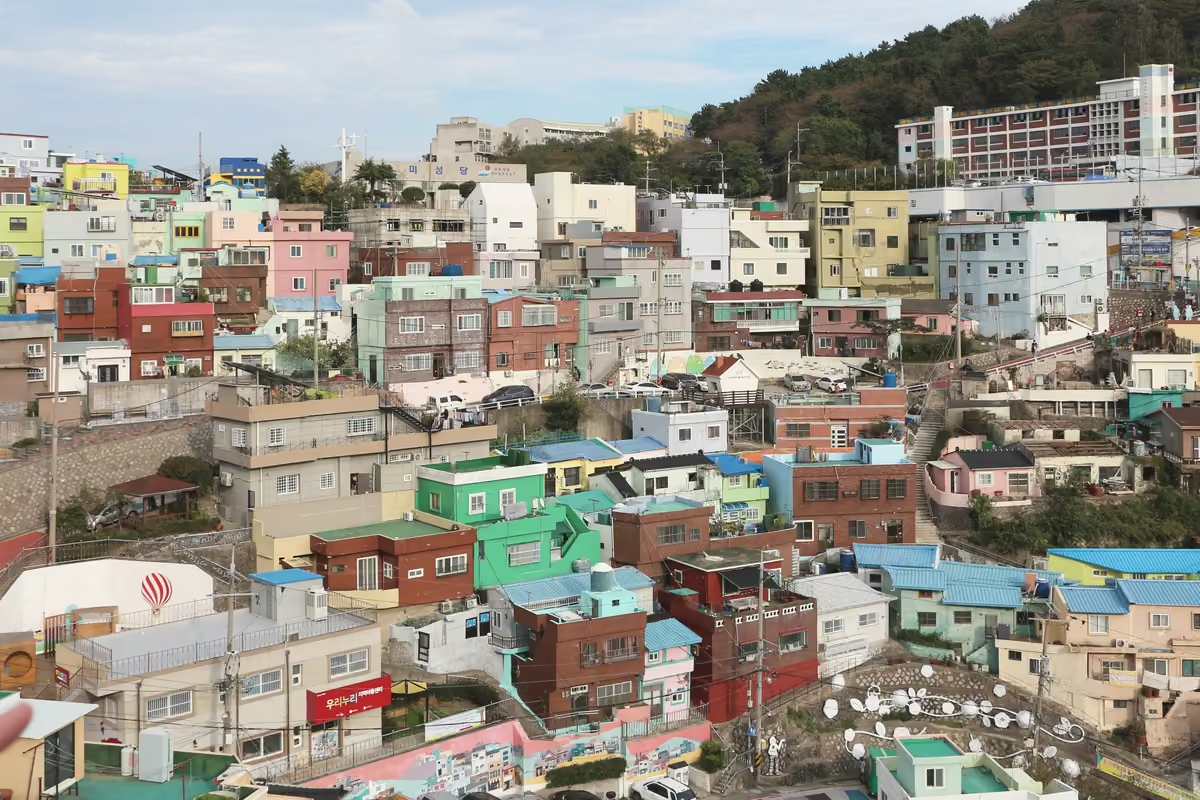
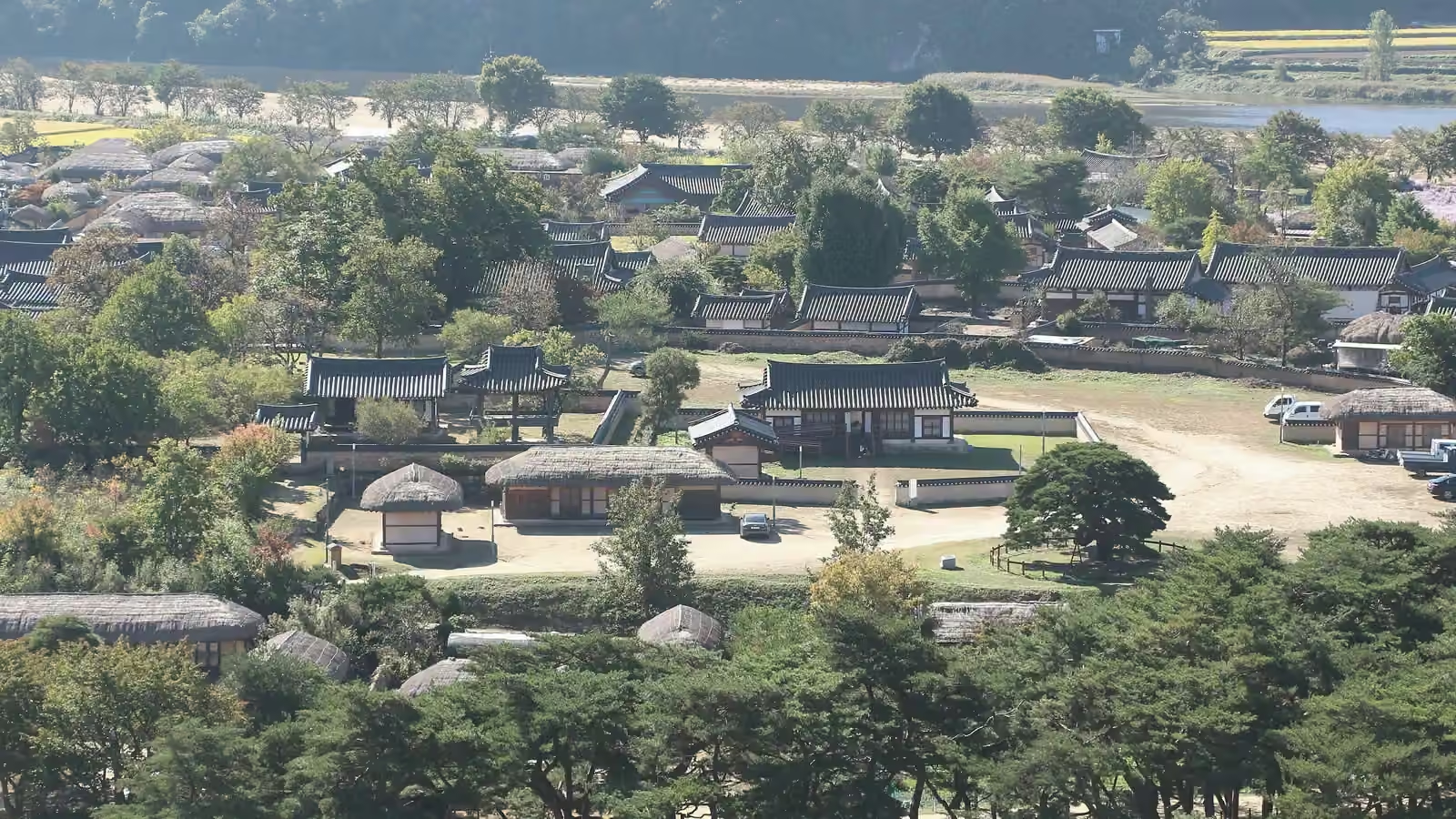
South Korea in pictures
4 photographs, each with its photographer and licence.




Jump to
Where to go
 Andong
i
Photo: Bernard Gagnon, Wikimedia Commons (CC0)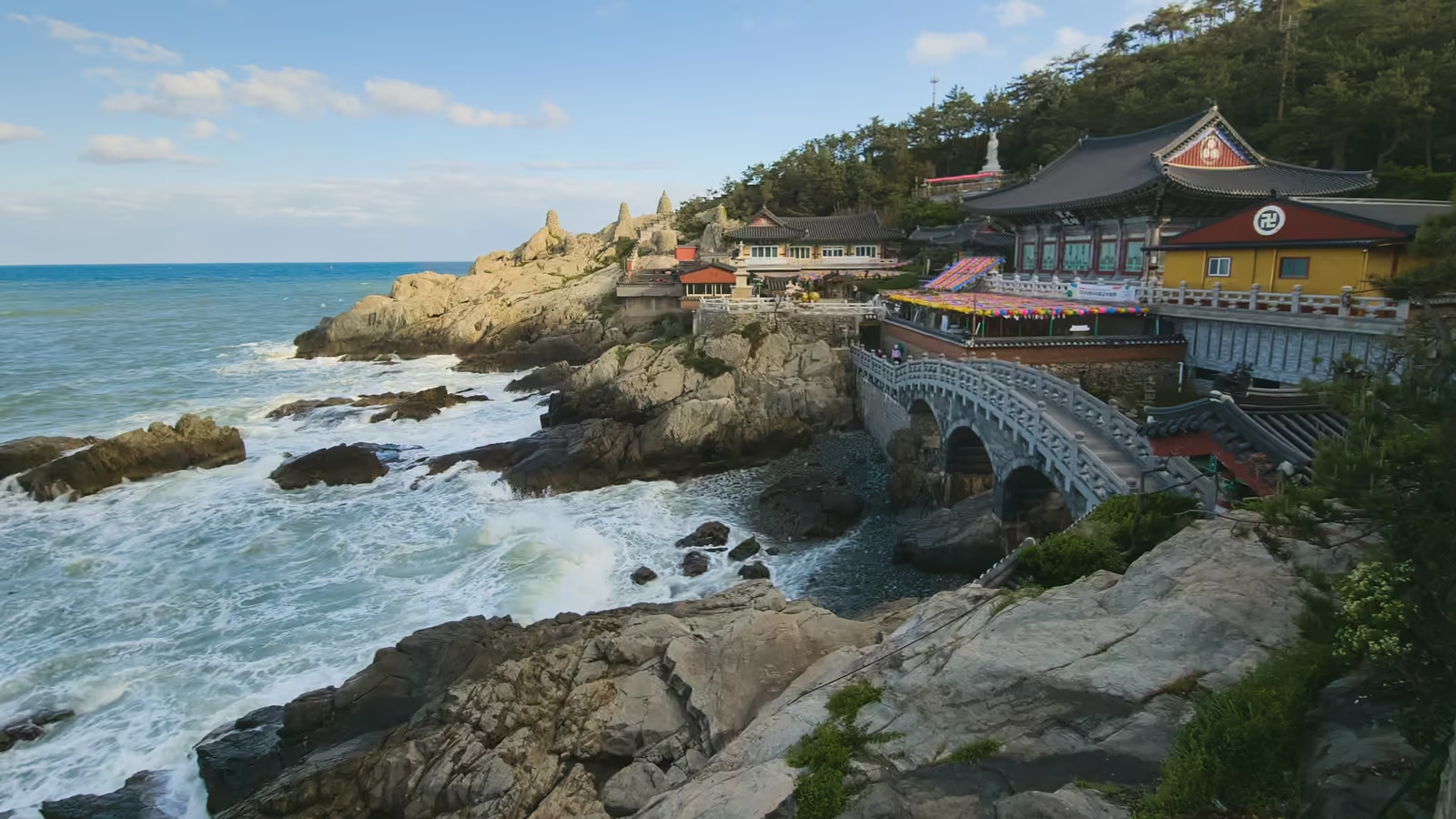 BusanPUS
i
Photo: lumoplank, Wikimedia Commons (CC0)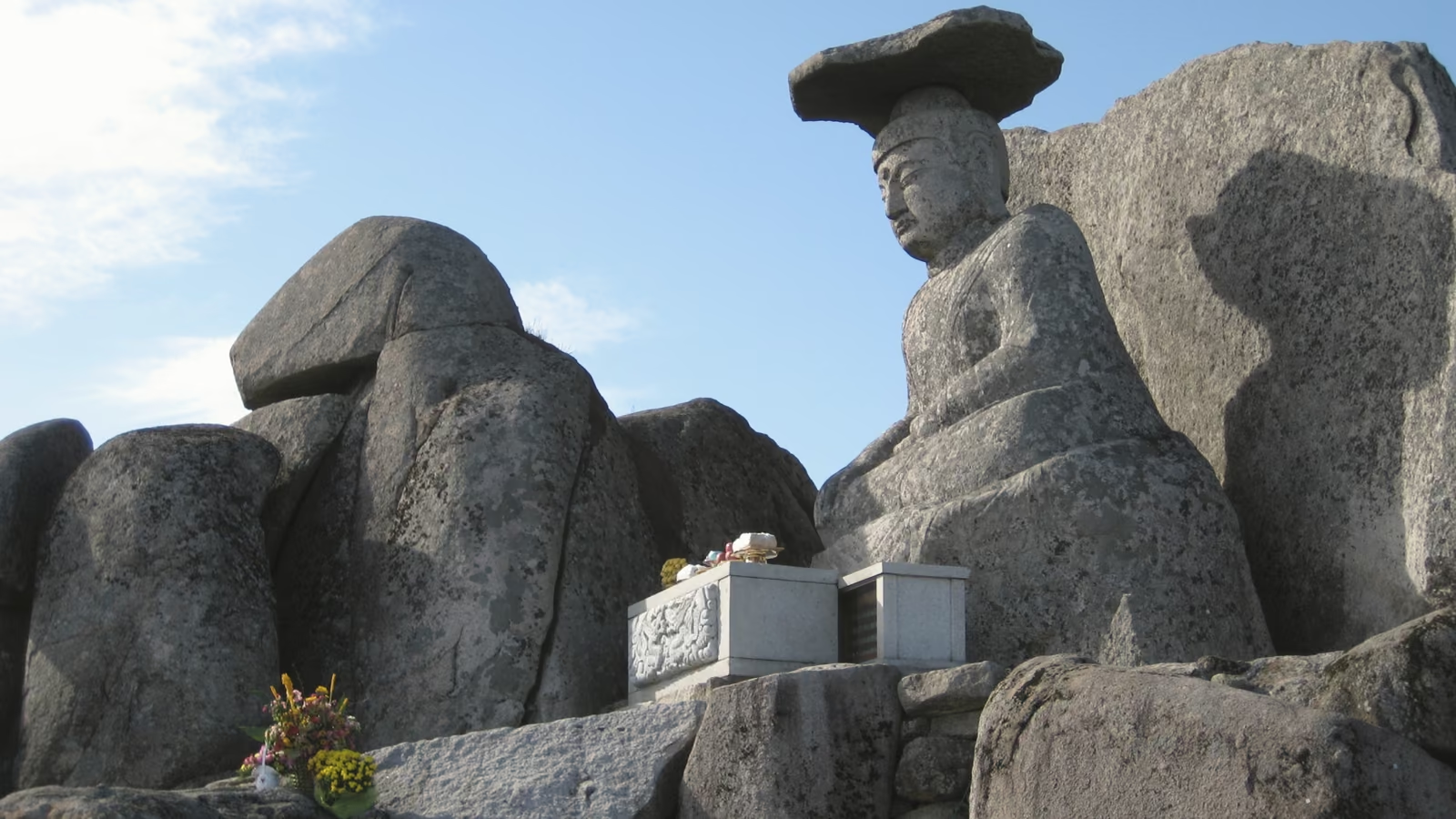 Daegu
i
Photo: Barnkim, Wikimedia Commons (Public domain)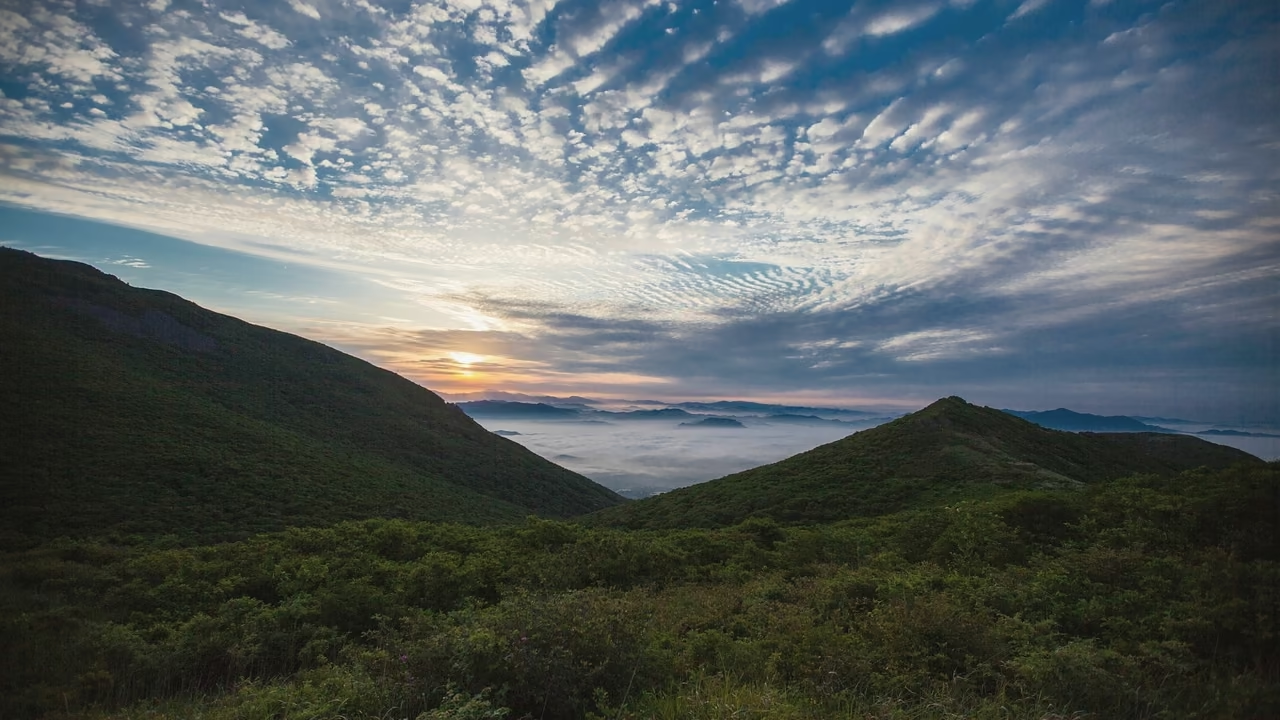 Gwangju
i
Photo: songsy on Pixabay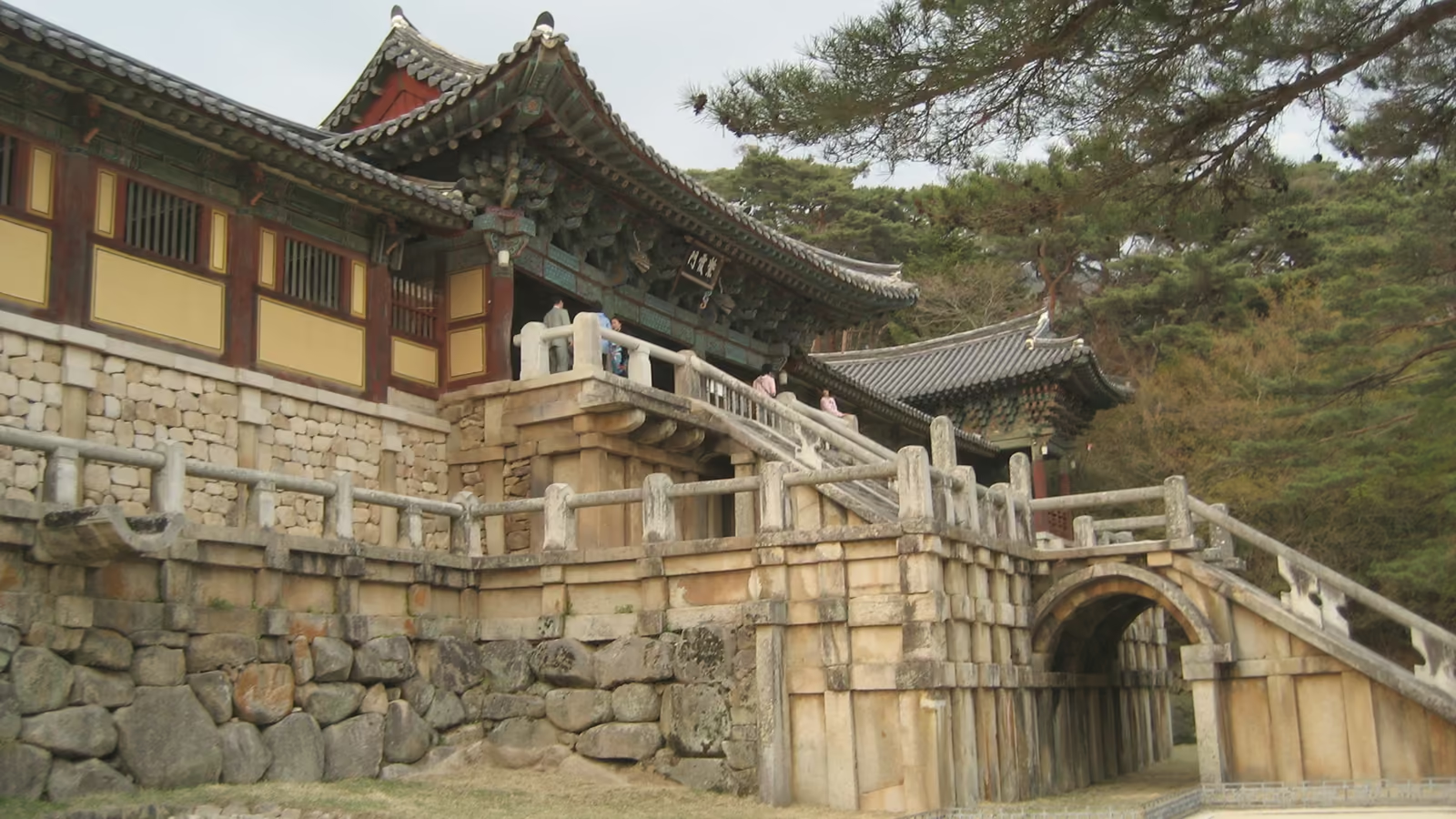 GyeongjuKPO
i
Photo: Tae Hoon Kang, Wikimedia Commons (CC BY 2.0)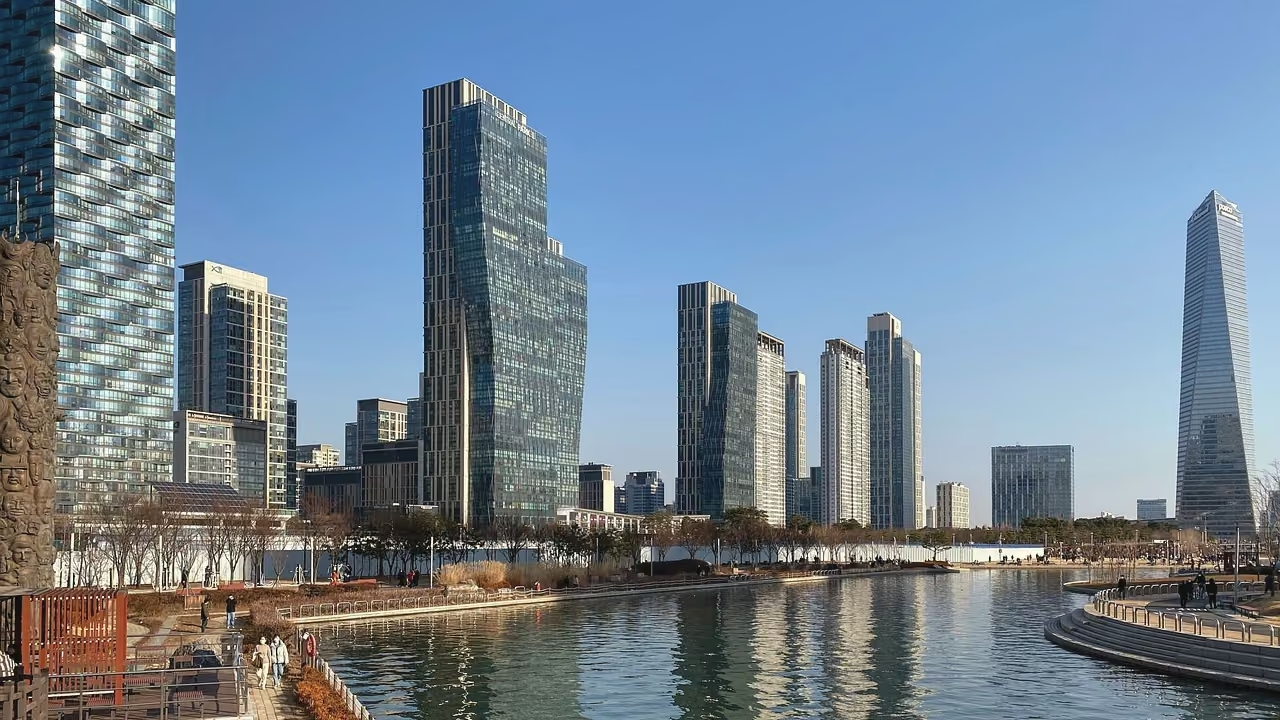 Incheon
i
Photo: 16301694 on Pixabay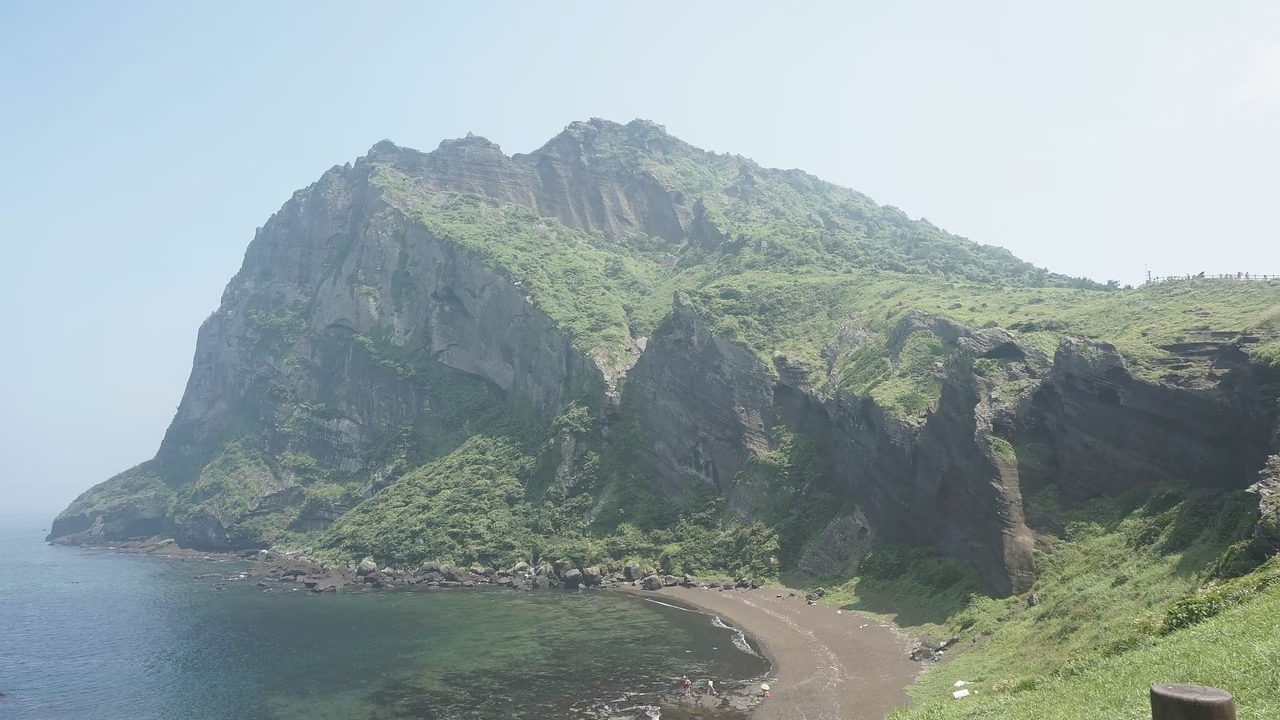 JejuCJU
i
Photo: Kevin_aloys on Pixabay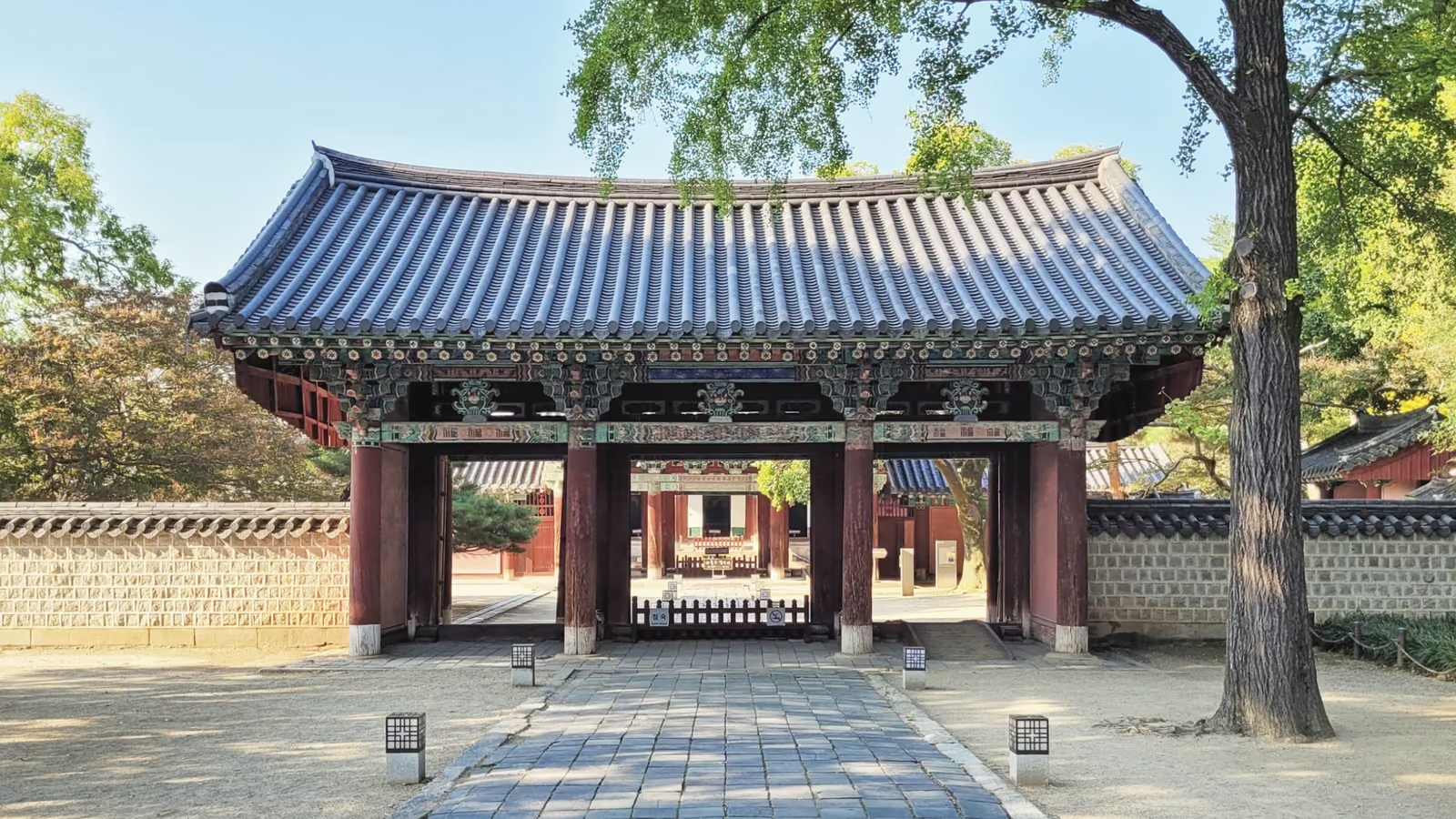 JeonjuICN
i
Photo: Bernard Gagnon, Wikimedia Commons (CC0)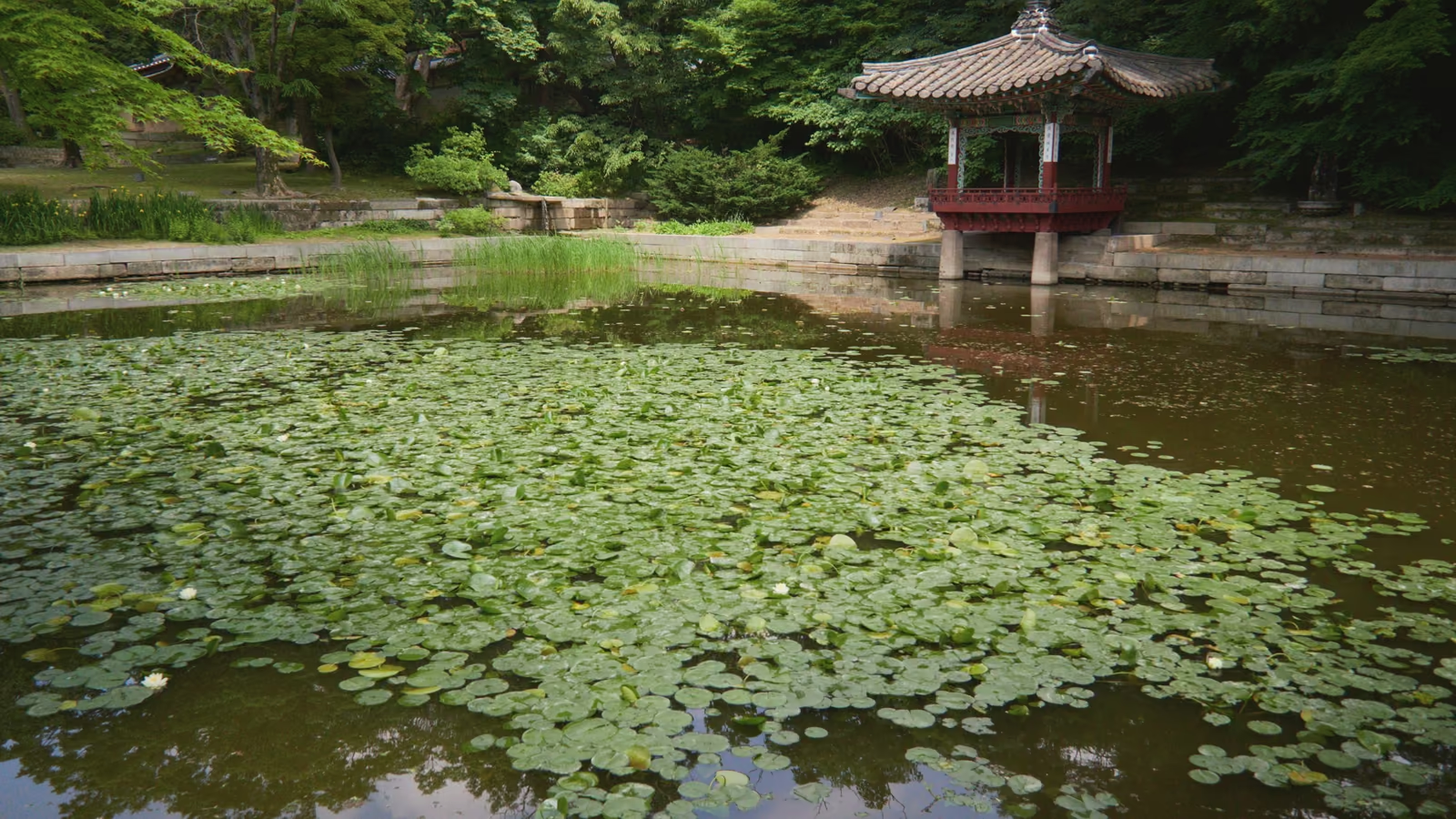 SeoulICN · GMP
i
Photo: lumoplank, Wikimedia Commons (CC0)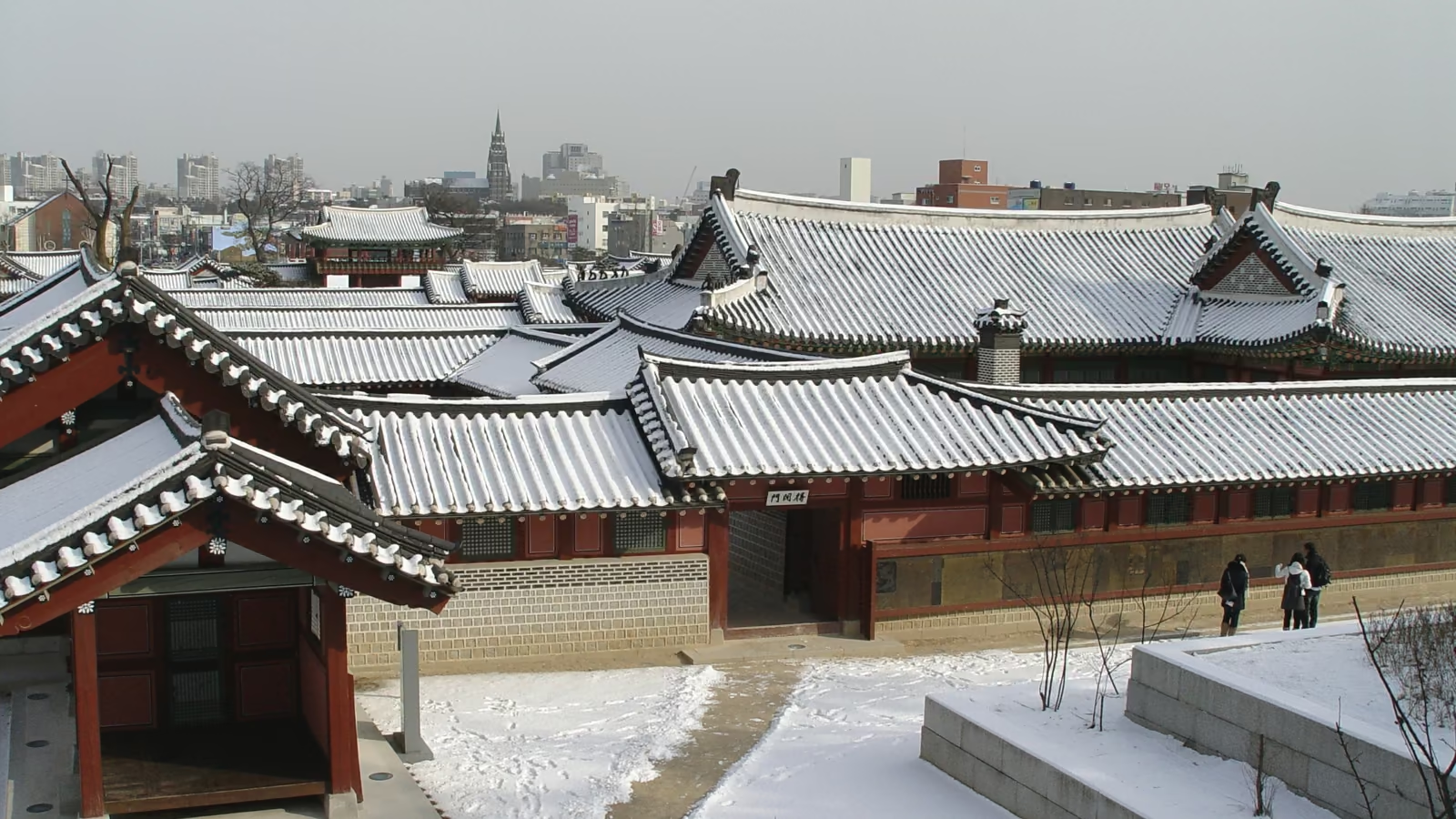 Suwon
i
Photo: Jpbarrass, Wikimedia Commons (Public domain)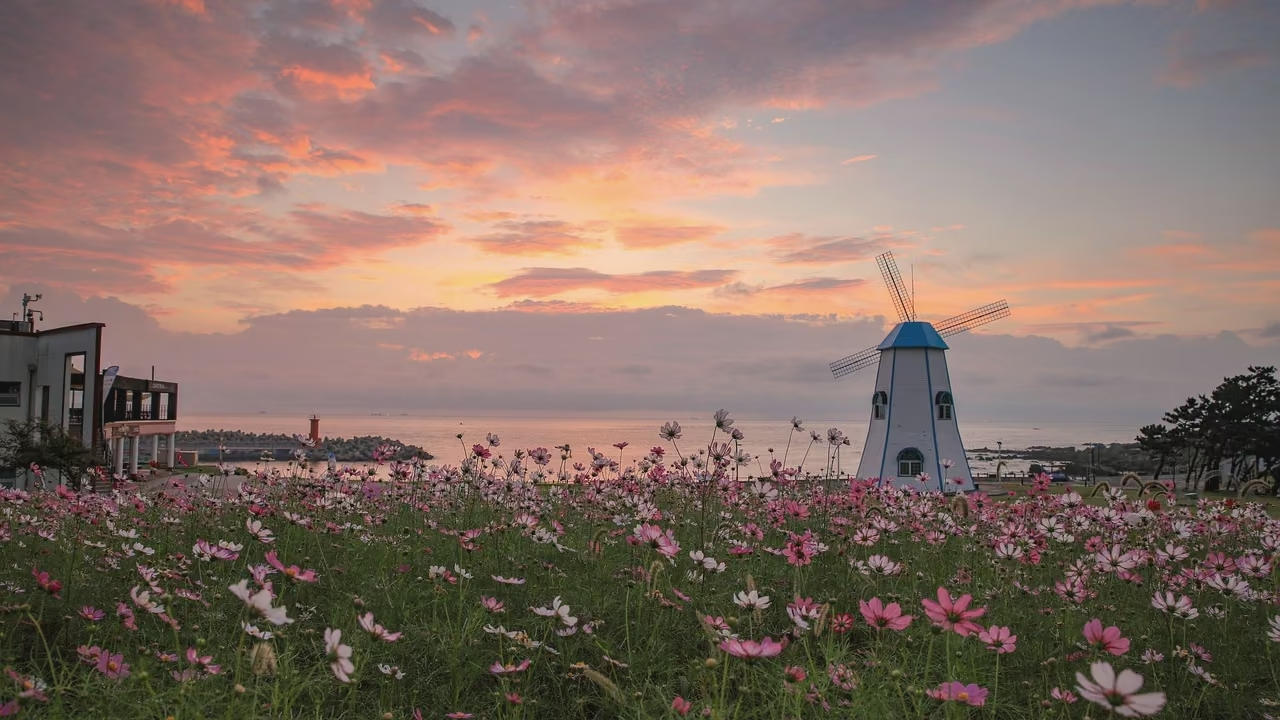 Ulsan
i
Photo: u_2f4cq1ersw on Pixabay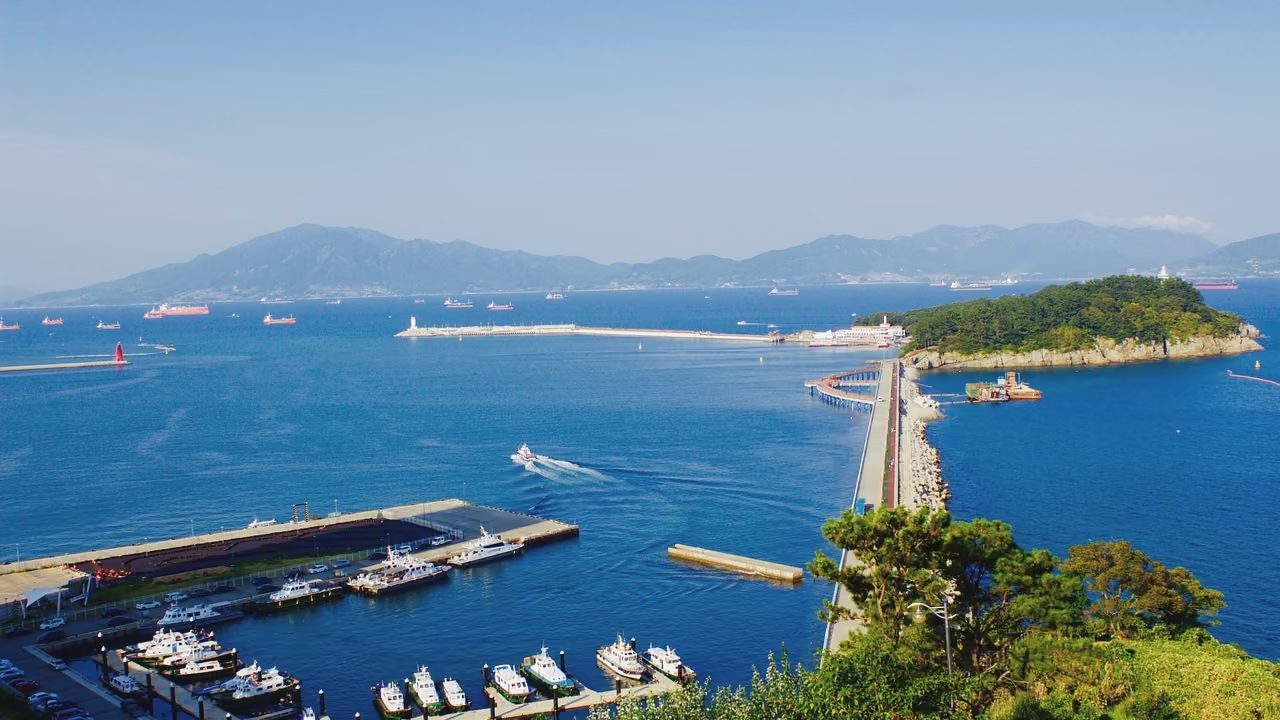 Yeosu
i
Photo: BUNDO_KIM on Pixabay


Highlights
Seoul
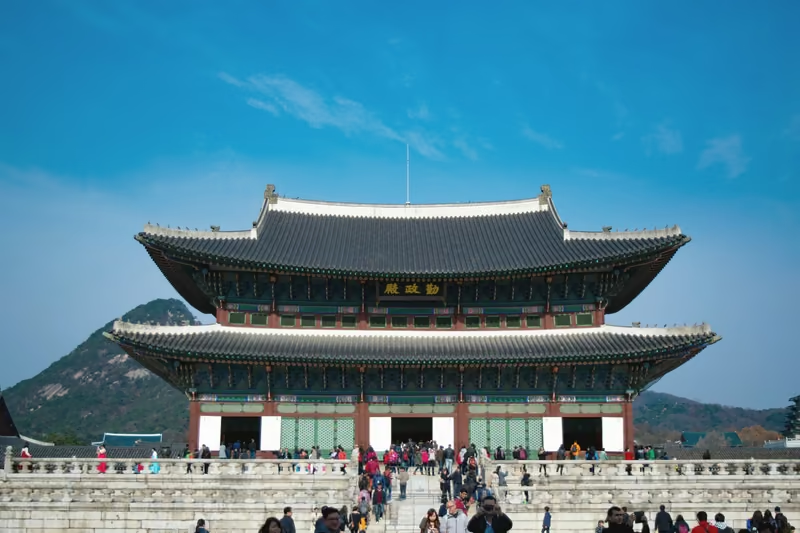
Photo: Brady Bellini, Wikimedia Commons (CC0) Gyeongbokgung Palace, Seoul
Royal palace in central Seoul; visitors in full hanbok enter free.
3,000 won (about USD 2) (adults 19 to 64); under 19 and over 65 free. Visitors in full hanbok enter free.[31][20]09:00 to 17:00 November to February, 09:00 to 18:00 March to May and September to October, 09:00 to 18:30 June to August; last entry an hour before closing. Closed Tuesdays, or the next working day when a Tuesday is a holiday.[20][31]None for individual visitors; tickets at the gate.[31]Official site
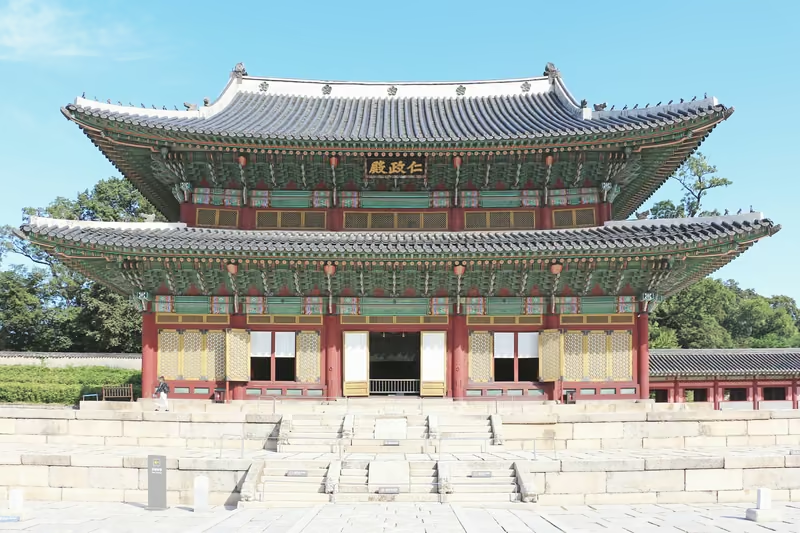
Photo: Bernard Gagnon, Wikimedia Commons (CC0) Changdeokgung Palace, Seoul
Royal palace in Jongno, with the Secret Garden behind it.
3,000 won (about USD 2) (adults 19 to 64); groups of 10 or more 20 per cent off.[2]09:00 to 18:00 February to May and September to October, 09:00 to 18:30 June to August, 09:00 to 17:30 November to January; last entry an hour before. Closed Mondays.[2]Not needed for the palace; groups of 35 or more apply 15 days ahead.[2]Official site
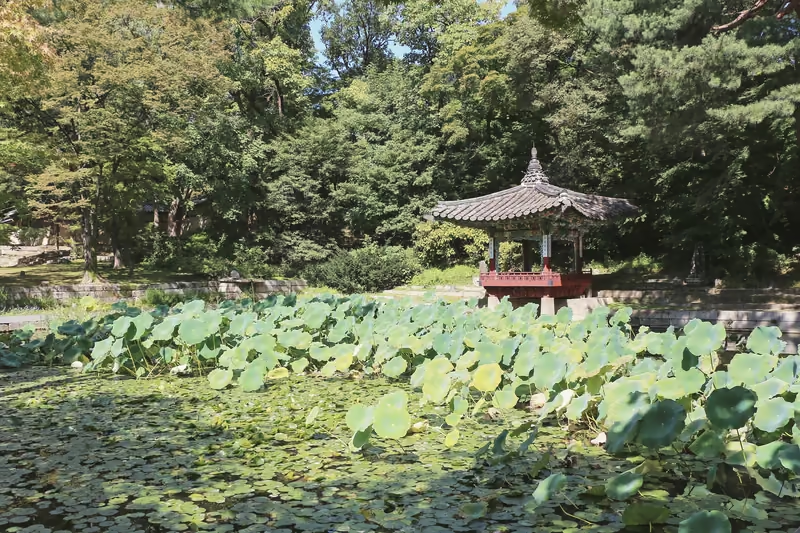
Photo: Bernard Gagnon, Wikimedia Commons (CC0) Secret Garden (Huwon), Changdeokgung
The palace's walled garden of ponds and pavilions, by guided tour only.
5,000 won (about USD 3.5) (19 and over), 2,500 won (about USD 2) (7 to 18), plus the palace ticket.[1]English tours 10:30, 11:30 and 14:30 December to February, plus 15:30 March to November. Closed Mondays.[1]100 places per session and language, 50 online and 50 on site.[1]Official site
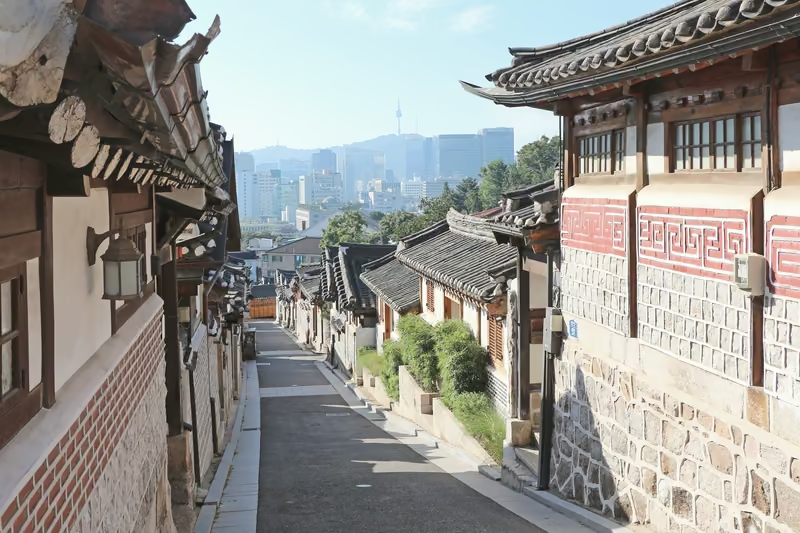
Photo: Bgag, Wikimedia Commons (CC0) Bukchon Hanok Village, Jongno-gu
Residential lanes of traditional hanok houses, now a special management area.
Free to walk.[28]Red zone open to visitors 10:00 to 17:00; closed to tourists from 17:00 to 10:00.[28]None; groups of up to 10.[28]Official site
National Museum of Korea, Yongsan
The national collection of Korean art and archaeology.
Free for the permanent exhibition; special exhibitions are charged.[22]09:30 to 17:30, to 21:00 on Wednesdays and Saturdays; admission stops 30 minutes before closing.[22]None for the permanent galleries.[22]Official site
N Seoul Tower, Namsan
Observation tower on Namsan with views over the whole city.
Observatory 29,000 won (about USD 22) (13 and over), 23,000 won (about USD 17) (3 to 12 and 65 and over).[21]10:00 to 22:30 weekdays, 10:00 to 23:00 weekends and holidays; last entry 30 minutes before. The site showed a temporary observatory closure notice on 14 November 2026, so check before you go.[21]Official site


Jeju
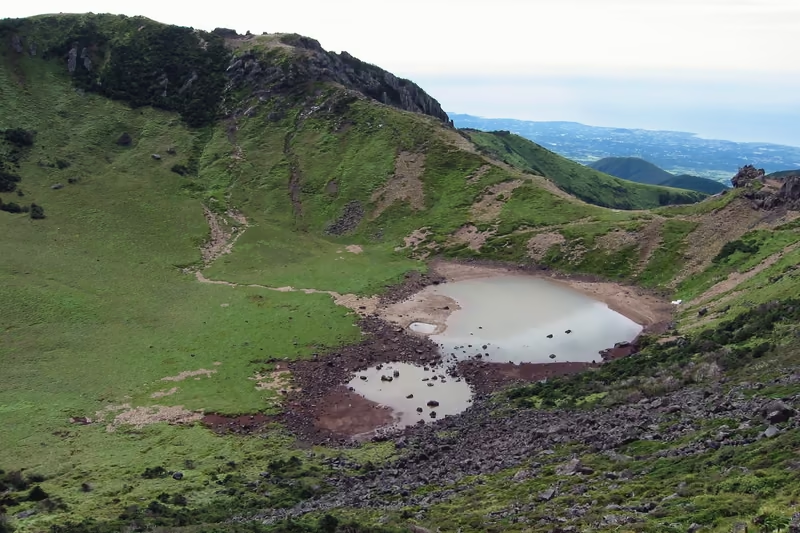
Photo: Unknown author, Wikimedia Commons (Public domain) Hallasan National Park, Jeju
The mountain at the centre of Jeju, with summit trails to the Baengnokdam crater.
Trail entry from 06:00 in winter, 05:30 in spring and autumn and 05:00 in summer; summit-trail cut-off around midday (from 12:00 in winter to 13:00 in summer on Seongpanak and Gwaneumsa). Hikes must end before sunset.[29]Summit sections of Seongpanak (1,000 a day) and Gwaneumsa (500 a day) by online reservation, opening at 09:00 on the first working day of the month for the next month.[29][30]Official site

More in South Korea
The DMZ
The demilitarised zone on the border with North Korea, mostly beyond the Civilian Control Line.
Many DMZ sites are closed to individual visitors and Panmunjeom is reached only with an approved tour operator; carry your passport, and expect strict limits on photography.[32]Official site
Tours across South Korea
Tours, day trips and tickets across South Korea, booked on Viator.
See South Korea tours on Viator (opens Viator in a new tab) paid link
Before you go
Checklist
- Visa or travel authorisation for your passport
- Money: cards, cash and ATMs
- A SIM or eSIM for data on arrival
- Government travel advisories
| Passport | Rule |
|---|---|
| United States | US passport holders are on Korea's temporary K-ETA exemption list, so they enter without a K-ETA but submit the e-Arrival card. The exemption runs to 31 December 2027.[7][8][9] |
| United Kingdom | The United Kingdom is on the temporary K-ETA exemption list; British travellers enter without a K-ETA and submit the e-Arrival card. The FCDO gives up to 90 days for short-term business or tourism, with an onward or return ticket. The exemption runs to 31 December 2027.[7][8][9][10] |
| Canada | Canada is on the temporary K-ETA exemption list, which Global Affairs Canada says runs to 31 December 2027; Canadians enter without a K-ETA and submit the e-Arrival card. Global Affairs Canada gives stays of up to 180 days without a tourist or business visa.[6][8][9] |
| Australia | Australia is on the temporary K-ETA exemption list, so Australians enter without a K-ETA but submit the e-Arrival card. The exemption runs to 31 December 2027.[7][8][9] |
The temporary exemption covers 25 countries and regions, among them the US, Canada, Guam, the UK, Germany, France, Italy, Spain, Australia, New Zealand, Japan, Taiwan, Hong Kong and Singapore. A K-ETA already approved stays valid to its own expiry date, and a traveller who applies for one anyway can skip the arrival card. The exemption runs to 31 December 2027.[8]
Where a K-ETA is needed it costs 10,000 won (about USD 7.5) on k-eta.go.kr or the official app, and review can take up to 72 hours. The portal warns that agency sites charge high fees for so-called expedited applications.[11]
The e-Arrival card is free and is submitted online within the three days before arrival; one submission covers 1 to 9 people, a group submission 2 to 1,000.[9]
Entry rules for every destination, by passport Check one passport and destination Passport planner for a trip with several stops
Money
| Item | What to know |
|---|---|
| Currency | The won (KRW). Shop prices include value added tax and individual consumption tax, part of which visitors can reclaim at tax refund stores.[3] |
Carrying more than one currency on a trip is simpler with a multi-currency card. Wise
SIM and data
An eSIM bought before the flight works from the arrivals hall. Airalo
Airport to city
Incheon International Airport, two terminals (T1 and T2), west of Seoul[13] ICN
| Option | Time | Fare | Pay |
|---|---|---|---|
| AREX Express, non-stop to Seoul Station.[14]train | About 43 minutes from T1 and 51 minutes from T2.[14] | 13,000 won (about USD 9.5) adults, 9,500 won (about USD 7) children aged 6 to 12; AREX lists 18,500 won (about USD 14) (T1) and 19,100 won (about USD 14) (T2) as the normal fare. Seats are reserved.[15] | Ticket machine and counter at the T1 B1 Transportation Center; counter and information desk at the T2 B1 Transportation Center. AREX hotline 1599-7788.[13] |
| AREX All-Stop train via Gimpo Airport, Hongik University and Gongdeok to Seoul Station.[13]train | About 59 minutes from T1 and 66 minutes from T2.[14][13] | Adult fare to Seoul Station 4,750 won (about USD 3.5) from T1 and 5,350 won (about USD 4) from T2 with a transport card; a single-use card costs 100 won (about USD 0.07) more plus a 500 won (about USD 0.37) deposit refunded at the destination.[16] | Same Transportation Center machines and counters as the Express.[13] |
| Airport limousine buses to Seoul; Seoul-bound buses board outside exits 3 to 7 on the T1 first floor.[17]bus | No cash or transport cards on board: buy the ticket first at the T1 ticket booths (inside by exits 4 and 9) or the T2 Transportation Center B1 desk or machine.[14][17] | ||
| Metered taxis from the designated stands outside arrivals; international taxis need an advance reservation.[18][14]taxi | Standard taxi base fare 4,800 won (about USD 3.5), deluxe and jumbo 7,000 won (about USD 5), then metered. Seoul standard taxis add 20 per cent from 22:00 to 23:00, 40 per cent from 23:00 to 02:00 and 20 per cent from 02:00 to 04:00. No boundary surcharge to Seoul.[18] | Cash, card or transport card. Use only the official stands; call vans posing as taxis are common.[14][18] |
A pre-booked transfer meets late arrivals at a fixed price. Welcome Pickups
First 48 hours
- Before you fly
Submit the free e-Arrival card online in the three days before landing. You do not need a K-ETA on a US, UK, Canadian or Australian passport until 31 December 2027; ignore agency sites selling one.
- Arrival, 14:00
Buy a Tmoney Travel Card at a convenience store or the bus ticket office. Buy any limousine bus ticket at the booth first, since the buses take no cash or transport cards.
- Arrival, 15:00
AREX Express reaches Seoul Station in about 43 minutes from T1; the All-Stop train takes about an hour. Taxis leave from the marked stands only.
- Day 2, morning
Gyeongbokgung opens at 09:00 and closes on Tuesdays; Changdeokgung closes on Mondays. Book a Secret Garden tour online if you can, as half the places go on site.
- Day 2, afternoon
Walk Bukchon only between 10:00 and 17:00 and keep your voice down in the residential lanes; keep tax refund vouchers from larger purchases for departure.
Luggage storage by the hour sits near most main stations. Bounce
Safety and advisories
| Government | Advice | Updated | Checked |
|---|---|---|---|
| US State Department | Level 1: Exercise Normal Precautions | ||
| UK Foreign Office (FCDO) | FCDO does not advise against travel to any part of South Korea; the page still carries dated safety, entry and health notes. | ||
| Government of Canada | Level 1 of 4 Take normal security precautions |
UK advice: There is no recent history of terrorism in South Korea, but attacks cannot be ruled out. Crime against foreigners is rare, though thefts happen in crowded places and areas foreigners visit, such as Itaewon, and there have been assaults around bars and nightlife areas. Use only legitimate taxis or public transport at night.[19]
The 1330 Korea Travel Hotline (+82-2-1330) answers in English.[14]
Scams to watch for
- Agency websites that charge high fees for K-ETA applications; the only official channels are k-eta.go.kr and the official K-ETA app.[11]
- Call vans posing as taxis at Incheon; take a taxi only from the designated stands.[18]
- Taxi drivers often speak little English: have your destination written in Korean, ideally with a map, and use legitimate taxis only.[19]
Travel medical cover is sold by the week for trips like this one. SafetyWing
What things cost
| Item | What it costs |
|---|---|
| K-ETA, if you need or choose one | 10,000 won (about USD 7.5)[11] |
| e-Arrival card | Free[9] |
| Tmoney Travel Card | 4,000 won (about USD 3) (Travel Card + 6,000 won (about USD 4.5)), before top-up[12] |
| Incheon Airport standard taxi, base fare | 4,800 won (about USD 3.5), then metered[18] |
| Gyeongbokgung Palace (adult) | 3,000 won (about USD 2); under 19 and over 65 free[20] |
| Changdeokgung Secret Garden tour (adult) | 5,000 won (about USD 3.5) plus the 3,000 won (about USD 2) palace ticket[1] |
| N Seoul Tower observatory (13 and over) | 29,000 won (about USD 22); 23,000 won (about USD 17) for ages 3 to 12 and 65 and over[21] |
| AREX Express, Incheon Airport to Seoul Station (adult) | 13,000 won (about USD 9.5)[15] |
| AREX All-Stop train, Incheon T1 to Seoul Station (adult, transport card) | 4,750 won (about USD 3.5); 5,350 won (about USD 4) from T2[16] |
| National Museum of Korea, permanent exhibition | Free[22] |
When to go
| Month | Weather | Crowds | Holidays |
|---|---|---|---|
| January | Seoul's coldest month, mean -1.9 C (29 F), and its driest, 16.8 mm; Busan's winter (December to February) averages 5.0 C (41 F) with 117.6 mm over the three months. (KMA 1991 to 2020 normals.)[23][24] | 1 January New Year's Day.[25][26] | |
| February | Winter: Seoul gets 67.6 mm across December to February and February to March are its least humid months; Busan's winter averages 5.0 C (41 F). (KMA 1991 to 2020 normals.)[23][24] | Seollal, the Lunar New Year holiday, runs 16 to 18 February 2026 and 6 to 9 February 2027 (with a substitute day).[25][26] | Seollal 6 to 8 February 2027, substitute holiday 9 February.[25][26] |
| March | Spring: Busan averages 13.6 C (56 F) with 386.5 mm from March to May; March and April are Seoul's windiest months. (KMA 1991 to 2020 normals.)[24][23] | 1 March Independence Movement Day.[25] | |
| April | Spring: Busan averages 13.6 C (56 F) with 386.5 mm from March to May; Seoul's spring air is dry, with relative humidity around 56 per cent. (KMA 1991 to 2020 normals.)[24][23] | ||
| May | Spring: Busan averages 13.6 C (56 F) with 386.5 mm from March to May; Seoul's annual mean is 12.8 C (55 F). (KMA 1991 to 2020 normals.)[24][23] | 5 May Children's Day; Buddha's Birthday 13 May 2027; 1 May 2027 Labour Day with a substitute on 3 May.[25][26] | |
| June | The rainy season (jangma) reaches Jeju around 19 June and central Korea around 25 June. Seoul's June to August rain totals 892.1 mm, about 63 per cent of its year. (KMA 1991 to 2020 normals.)[27][23] | 6 June Memorial Day.[25] | |
| July | Seoul's wettest month, 414.4 mm, and its most humid (76.2 per cent); Busan's summer averages 23.8 C (75 F) with 781.7 mm from June to August. (KMA 1991 to 2020 normals.)[23][24] | 17 July Constitution Day; substitute holiday 19 July 2027.[25][26] | |
| August | Seoul's warmest month, mean 26.1 C (79 F); Busan's summer averages 23.8 C (75 F), with local downpours when fronts or lows pass. (KMA 1991 to 2020 normals.)[23][24] | 15 August Liberation Day; 16 August 2027.[25][26] | |
| September | Autumn: Busan averages 17.5 C (64 F) with 290.6 mm from September to November, mostly clear apart from typhoons; September is Seoul's calmest month for wind. (KMA 1991 to 2020 normals.)[24][23] | Chuseok, the harvest holiday, runs 24 to 26 September 2026 and 14 to 16 September 2027.[25][26] | Chuseok 14 to 16 September 2027.[25][26] |
| October | Autumn: Busan averages 17.5 C (64 F); Seoul's first frost falls around 28 October on the 1991 to 2020 normals. (KMA 1991 to 2020 normals.)[24][23] | 3 October National Foundation Day and 9 October Hangul Day; 4 and 11 October 2027.[25][26] | |
| November | Seoul's first ice is around 3 November and first snow around 20 November on the normals; Busan's autumn averages 17.5 C (64 F). (KMA 1991 to 2020 normals.)[23][24] | ||
| December | Winter: Busan averages 5.0 C (41 F) from December to February, with strong winds when the continental high spreads; Seoul's winter rain totals 67.6 mm. (KMA 1991 to 2020 normals.)[24][23] | 25 December Christmas Day.[25][26] |
Common mistakes
Myth: You must get a K-ETA before flying to Korea.
Actually: US, UK, Canadian and Australian passports are on the temporary exemption list until 31 December 2027 (after the one-year extension announced on 23 November 2026), so no K-ETA is needed for those trips. The free e-Arrival card is still required unless you hold a K-ETA.[7][8][9]
Myth: A K-ETA or arrival-card agency will get you through faster.
Actually: The K-ETA costs 10,000 won (about USD 7.5) on the official portal or app, and the portal warns that agencies charge high fees for so-called expedited service. The e-Arrival card is free on its official site.[11][9]
Myth: You can wander the Secret Garden on your own with a palace ticket.
Actually: The Secret Garden is shown by guided tour only, at set times per language, with its own 5,000 won (about USD 3.5) ticket on top of the palace ticket; individual viewing is not allowed.[1]
Myth: Bukchon Hanok Village is open to visitors at any hour.
Actually: Bukchon's red zone is a special management area since November 2024: visitors may walk it from 10:00 to 17:00 only, groups are limited to 10, and megaphones and photos of house interiors are not allowed.[28]
Myth: You can pay the airport limousine bus in cash when you board.
Actually: The airport buses take no cash or transport cards on board; buy the ticket at a terminal ticket office, desk or machine first.[14]
Myth: You can just turn up and hike to the summit of Hallasan.
Actually: The summit sections of the Seongpanak and Gwaneumsa trails need a free online reservation, capped at 1,000 and 500 hikers a day; a QR code and ID are checked at the gate, and a no-show without cancelling brings a three-month booking ban.[29][30]
Sources
Show all sources (32)
- Changdeokgung Huwon (Secret Garden), Seoul Metropolitan Government (Visit Seoul).
- Changdeokgung Palace, Seoul Metropolitan Government (Visit Seoul).
- Tax refund for foreign tourists, Korea Tourism Organization.
- South Korea travel advisory, US Department of State.
- South Korea travel advice, UK Foreign, Commonwealth and Development Office.
- Travel advice and advisories for South Korea, Global Affairs Canada.
- Notice: K-ETA temporary exemption period extended by one year, Ministry of Justice, Republic of Korea (K-ETA portal).
- Extension of the temporary K-ETA exemption to 31 December 2026, Ministry of Foreign Affairs, Republic of Korea (Embassy in Switzerland).
- e-Arrival Card, Ministry of Justice, Republic of Korea.
- South Korea travel advice: entry requirements, UK Foreign, Commonwealth and Development Office.
- K-ETA application guide, Ministry of Justice, Republic of Korea.
- Tmoney for foreign travellers, Tmoney Co..
- Airport railroad, Incheon International Airport Corporation.
- Getting from Incheon Airport to Seoul (updated 22 May 2026), Korea Tourism Organization.
- Express train introduction, AREX Airport Railroad.
- All-stop train fares, AREX Airport Railroad.
- Bus, Incheon International Airport Corporation.
- Taxi, Incheon International Airport Corporation.
- South Korea travel advice: safety and security, UK Foreign, Commonwealth and Development Office.
- Gyeongbokgung Palace, Korea Tourism Organization.
- N Seoul Tower: hours and admission, N Seoul Tower.
- National Museum of Korea (English), National Museum of Korea.
- Regional climate: Seoul and Gyeonggi (1991 to 2020 normals), Korea Meteorological Administration.
- Regional climate: Gyeongsangnam-do, Busan (1991 to 2020 normals), Korea Meteorological Administration.
- Calendar data 2026: public holidays, Korea Astronomy and Space Science Institute.
- Calendar data 2027: public holidays, Korea Astronomy and Space Science Institute.
- Climate of Korea (1991 to 2020 normals), Korea Meteorological Administration.
- Bukchon Hanok Village (edited 11 September 2026), Seoul Metropolitan Government (Visit Seoul).
- Hallasan trail reservation rules, Jeju Special Self-Governing Province.
- Hallasan National Park, Jeju Tourism Organization.
- Gyeongbokgung Palace, Seoul Metropolitan Government (Visit Seoul).
- DMZ (updated 30 October 2025), Korea Tourism Organization.